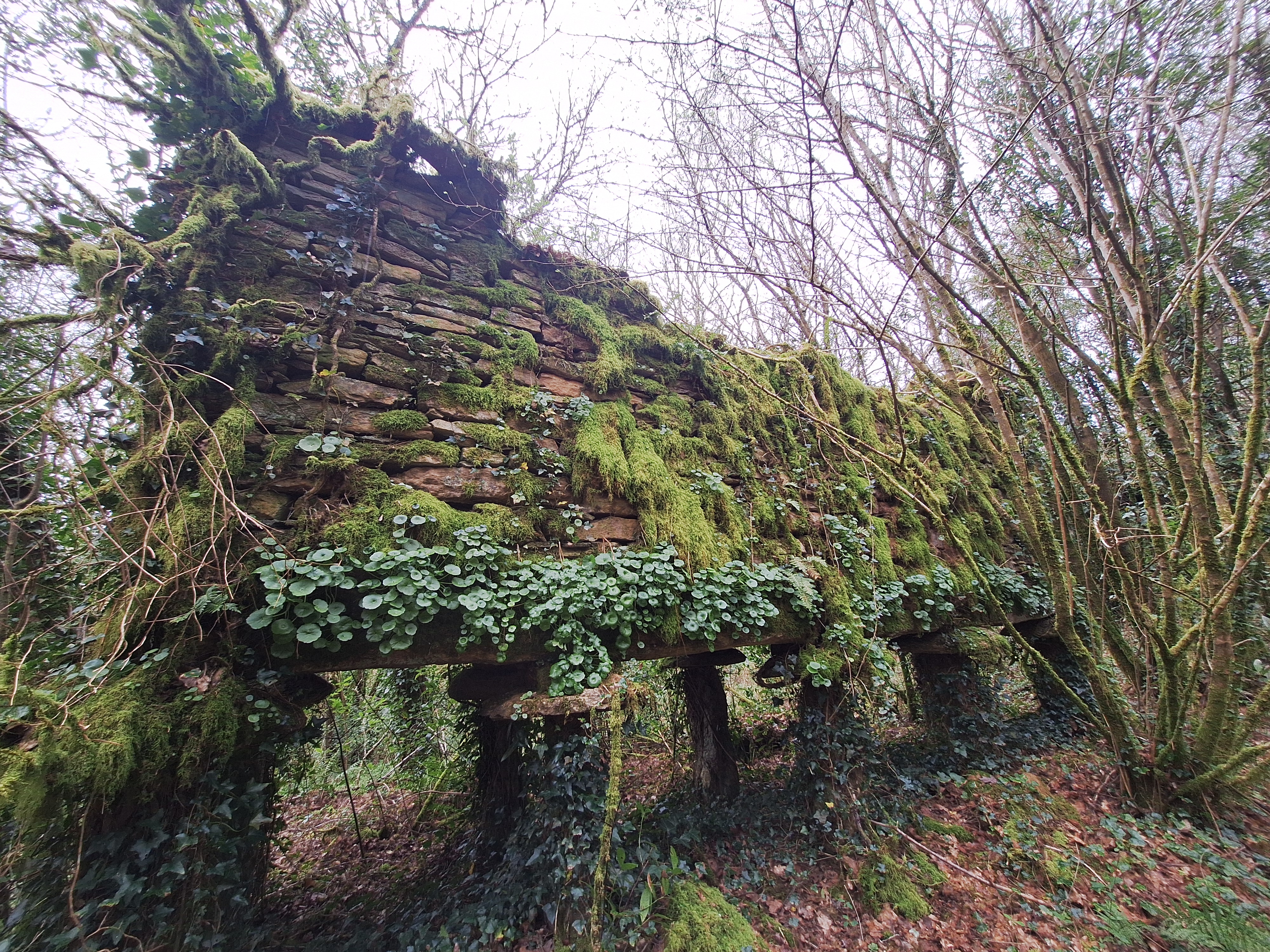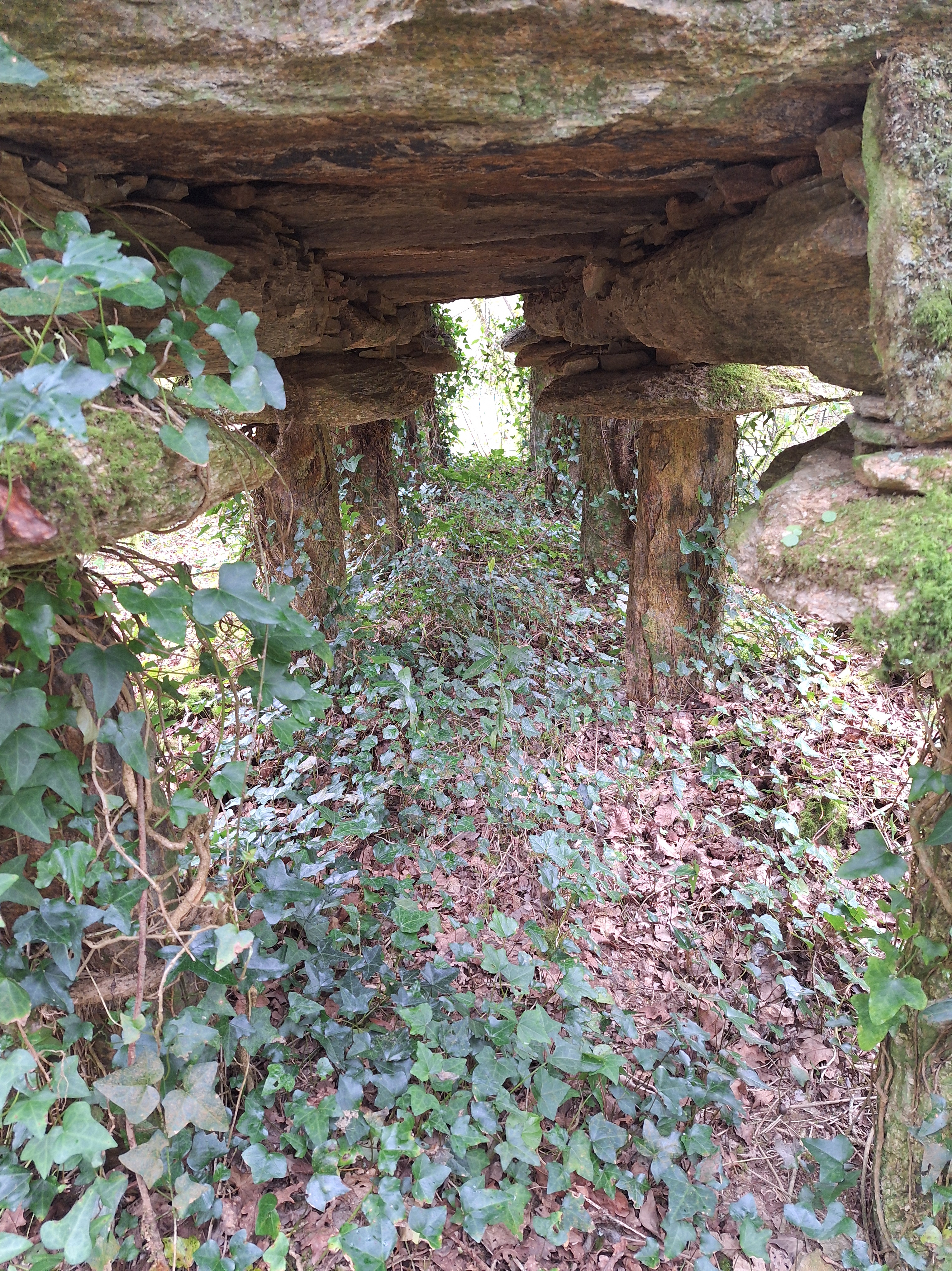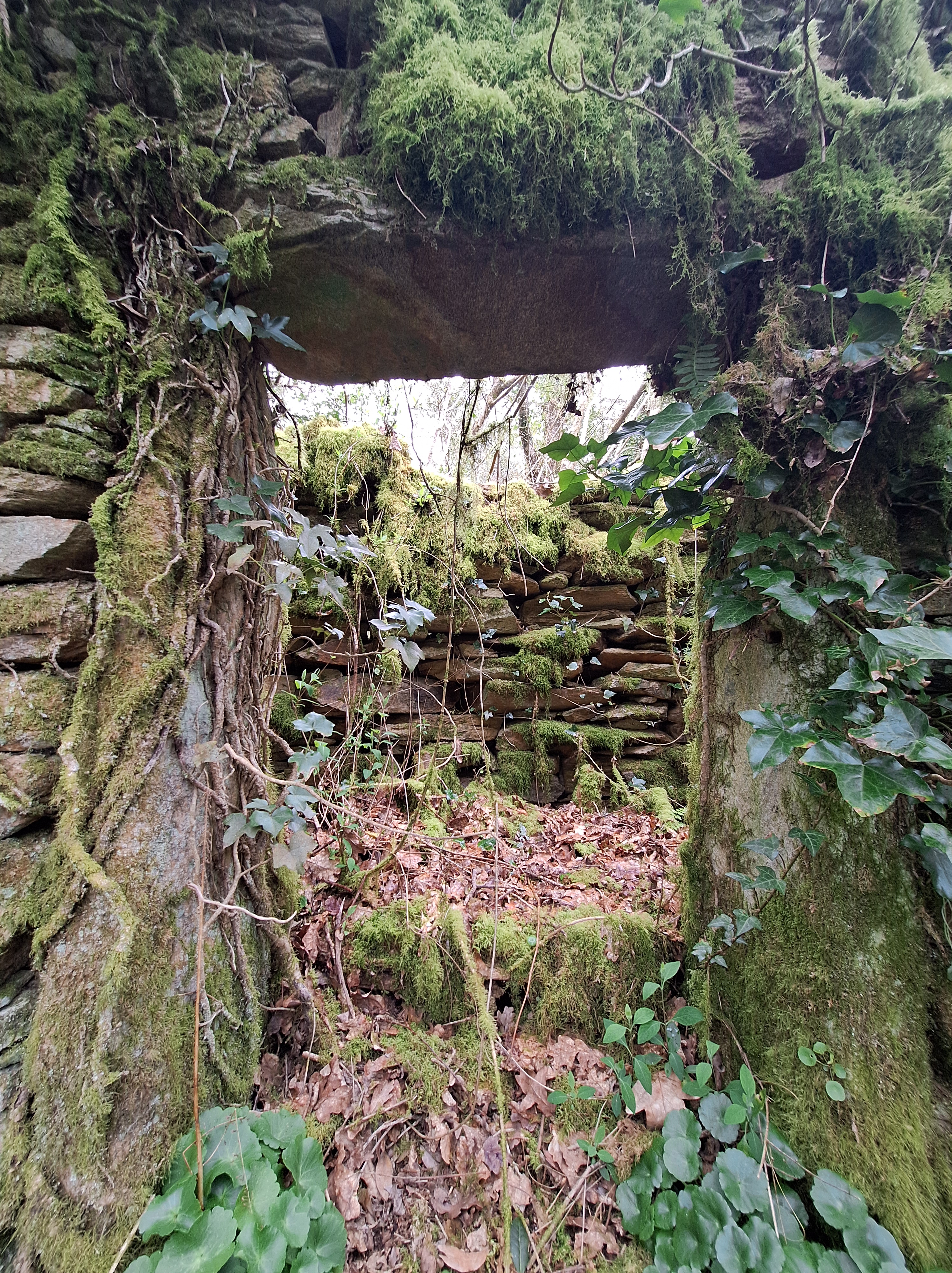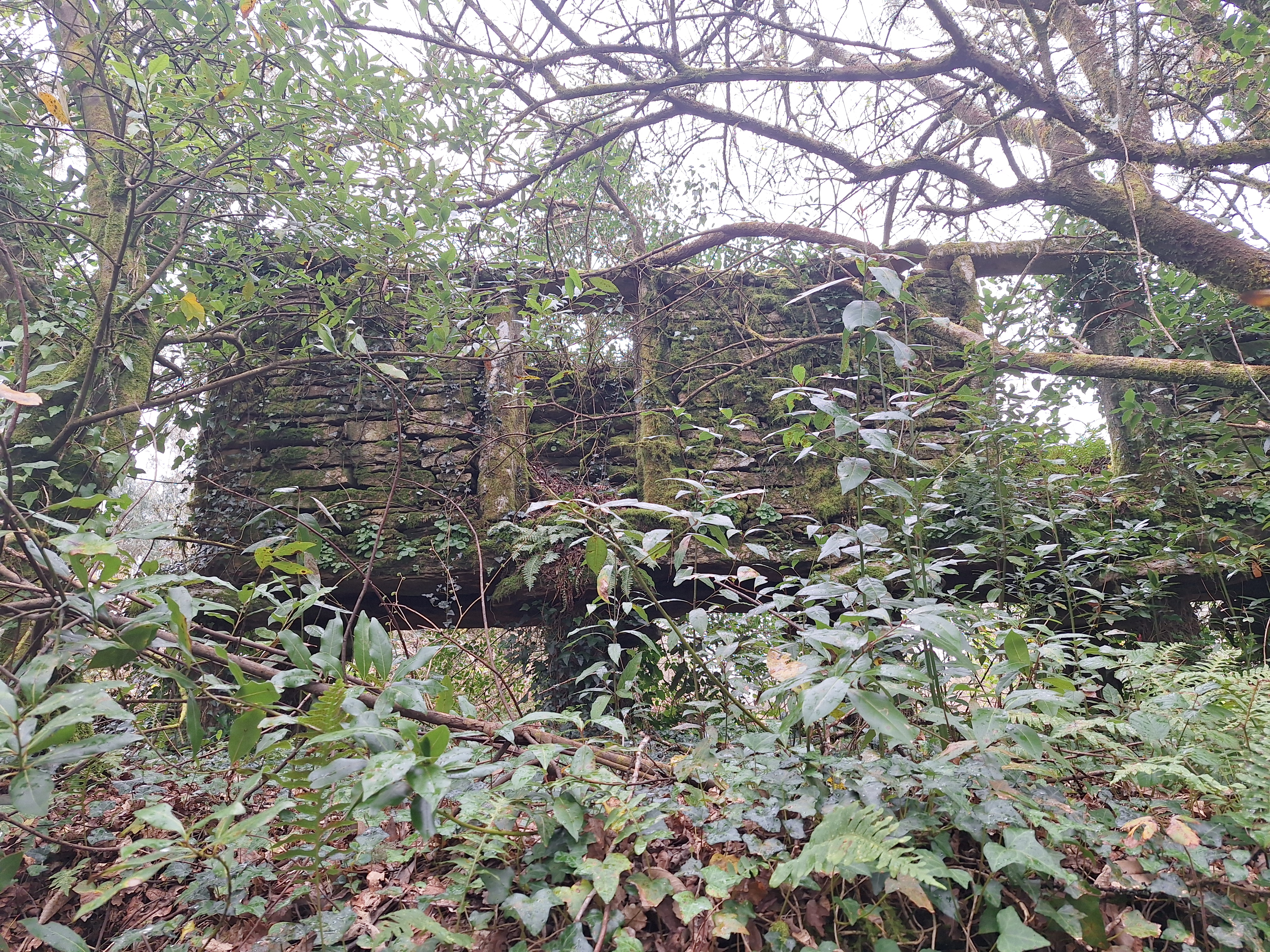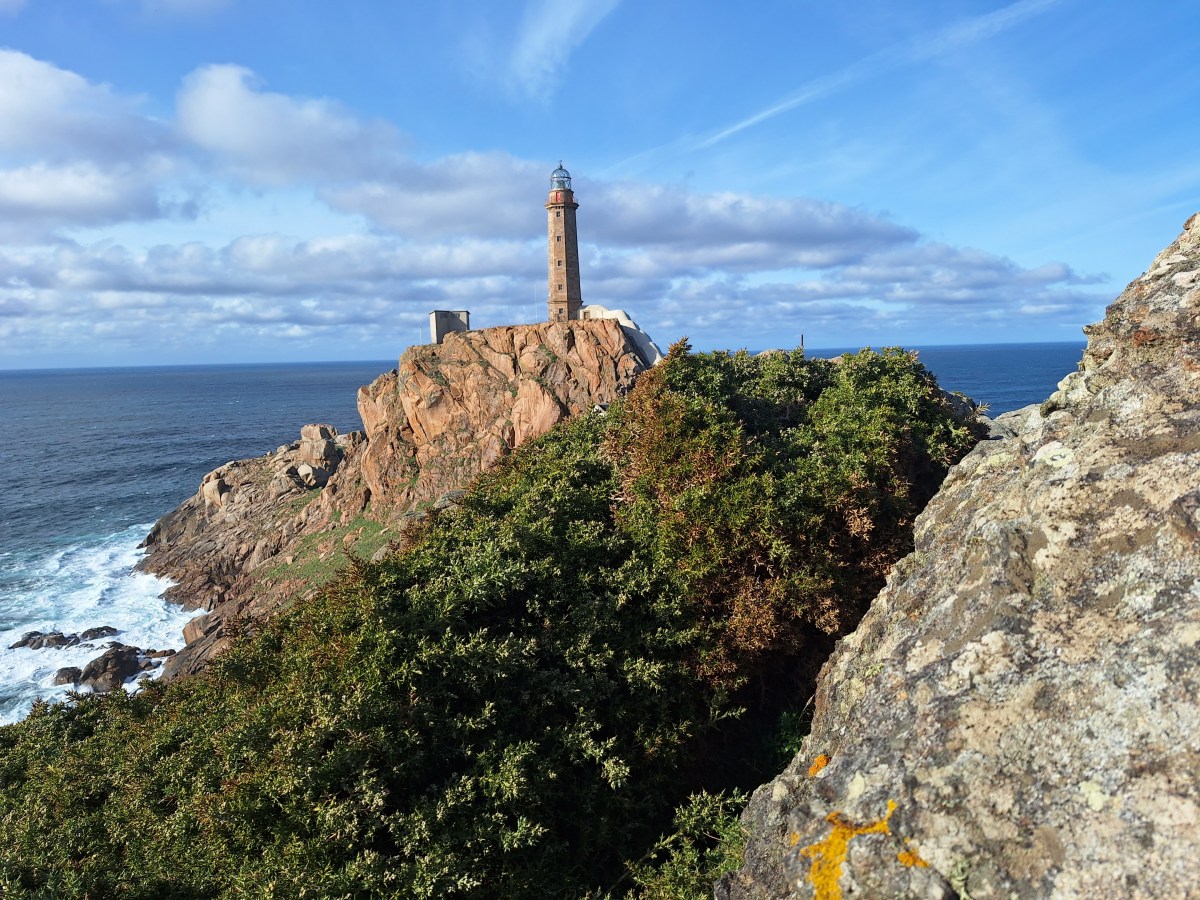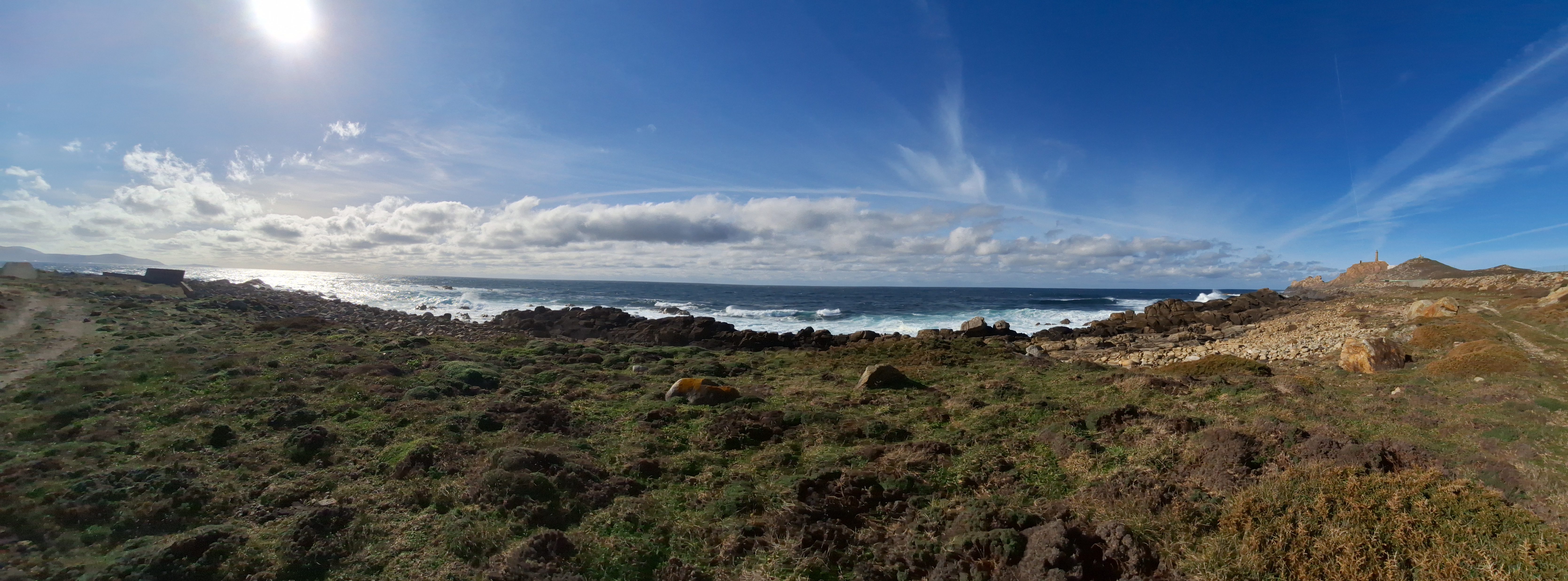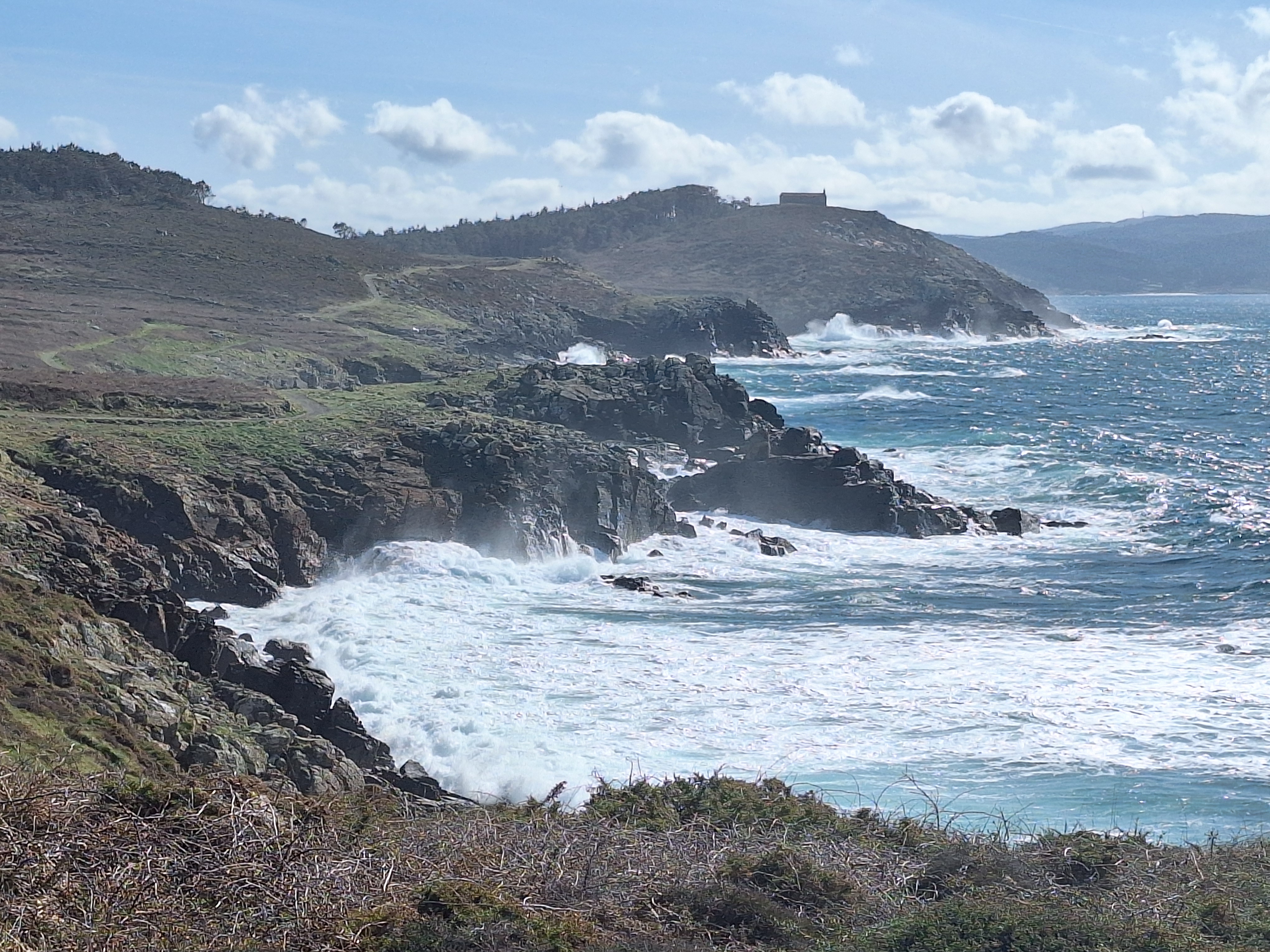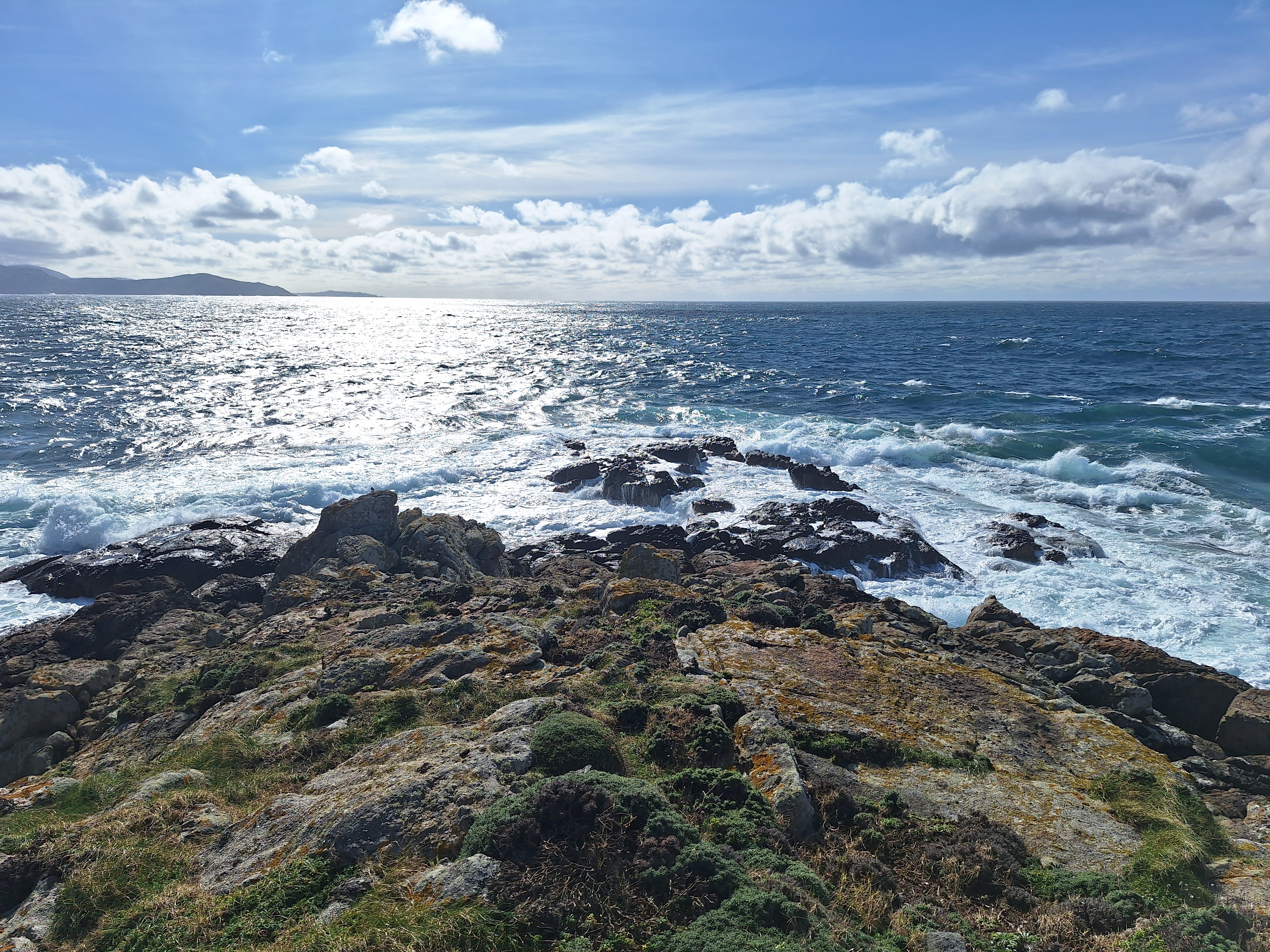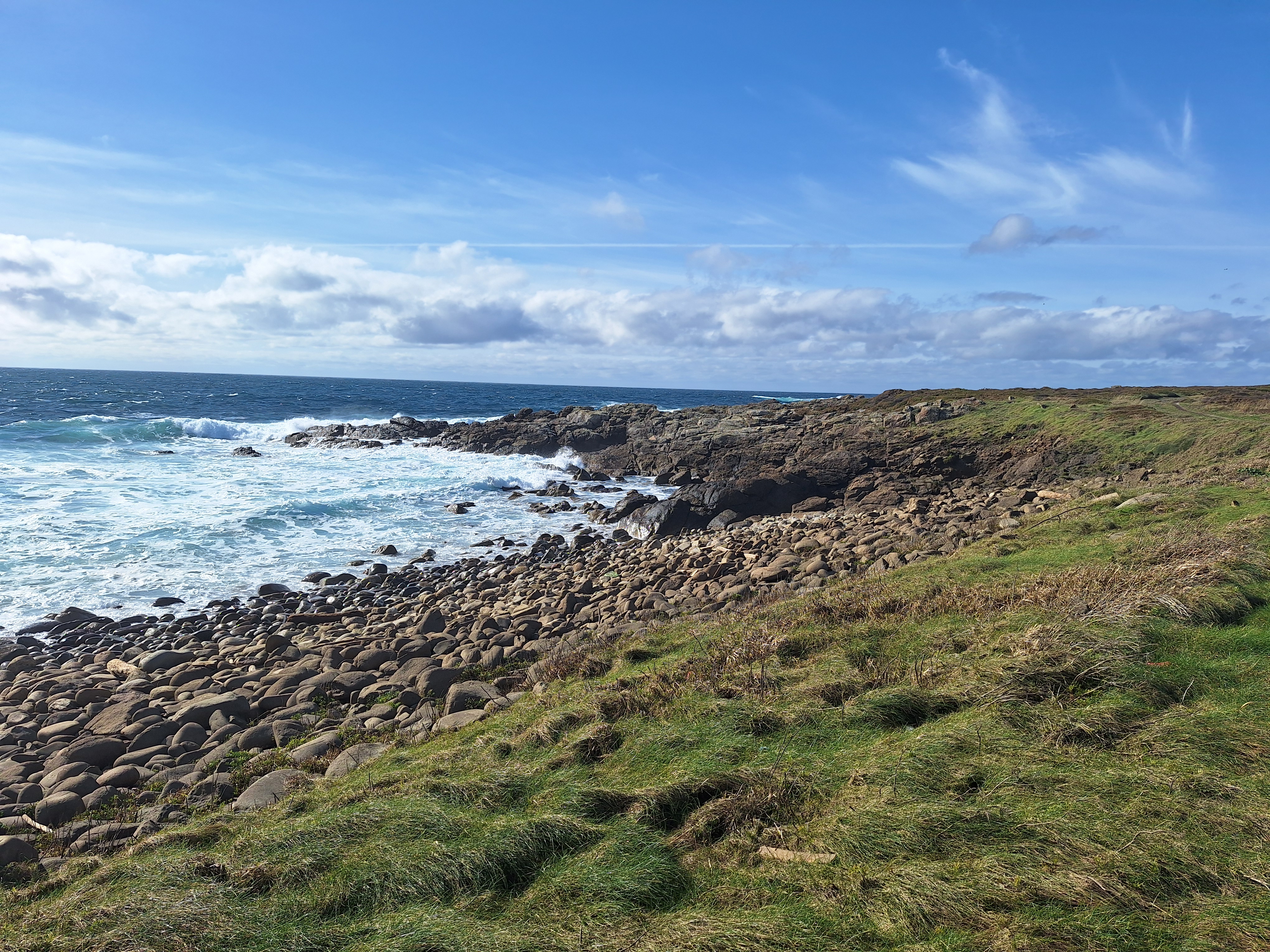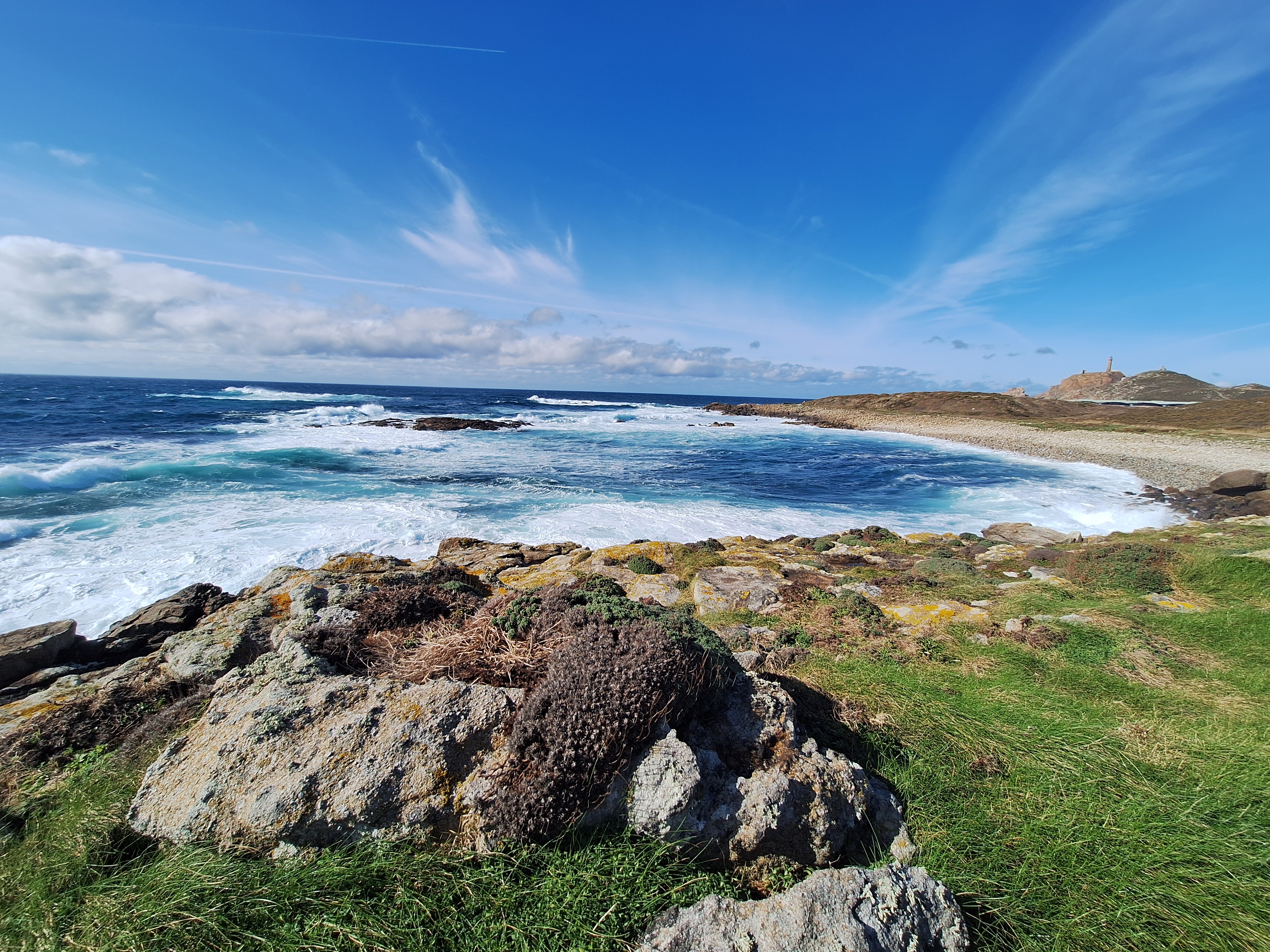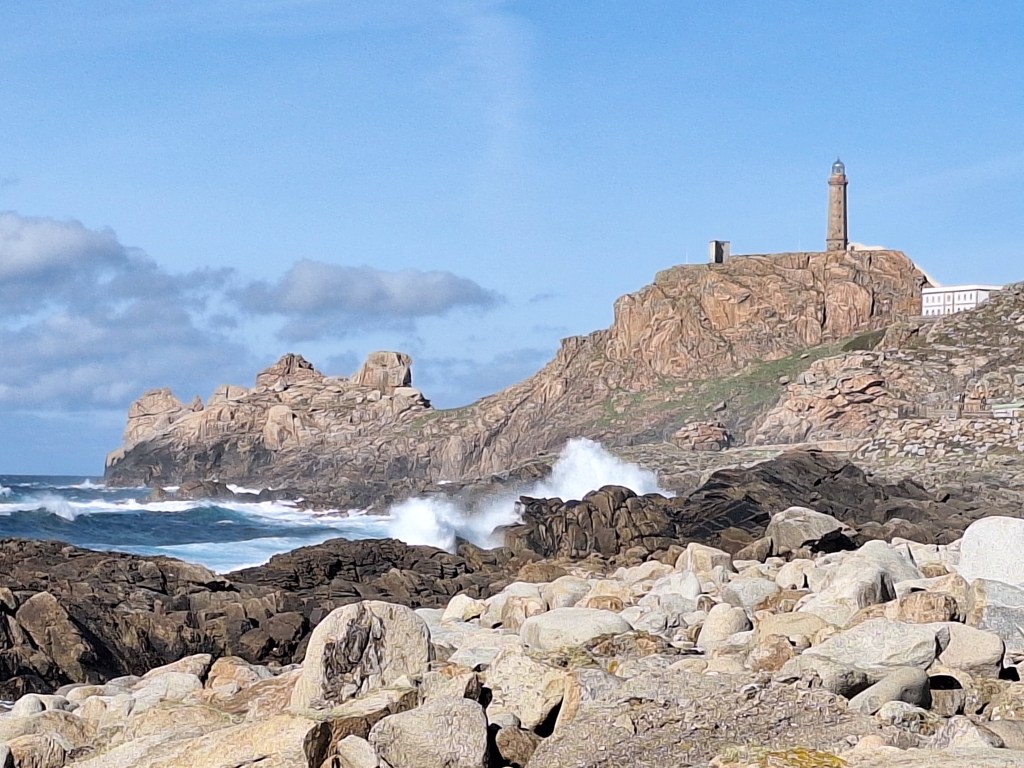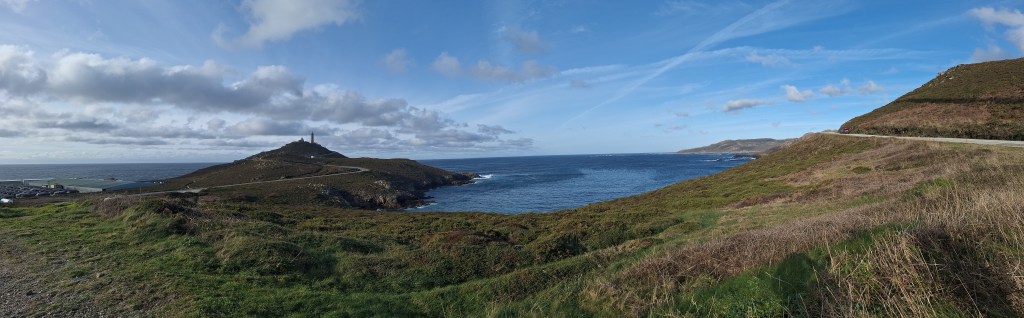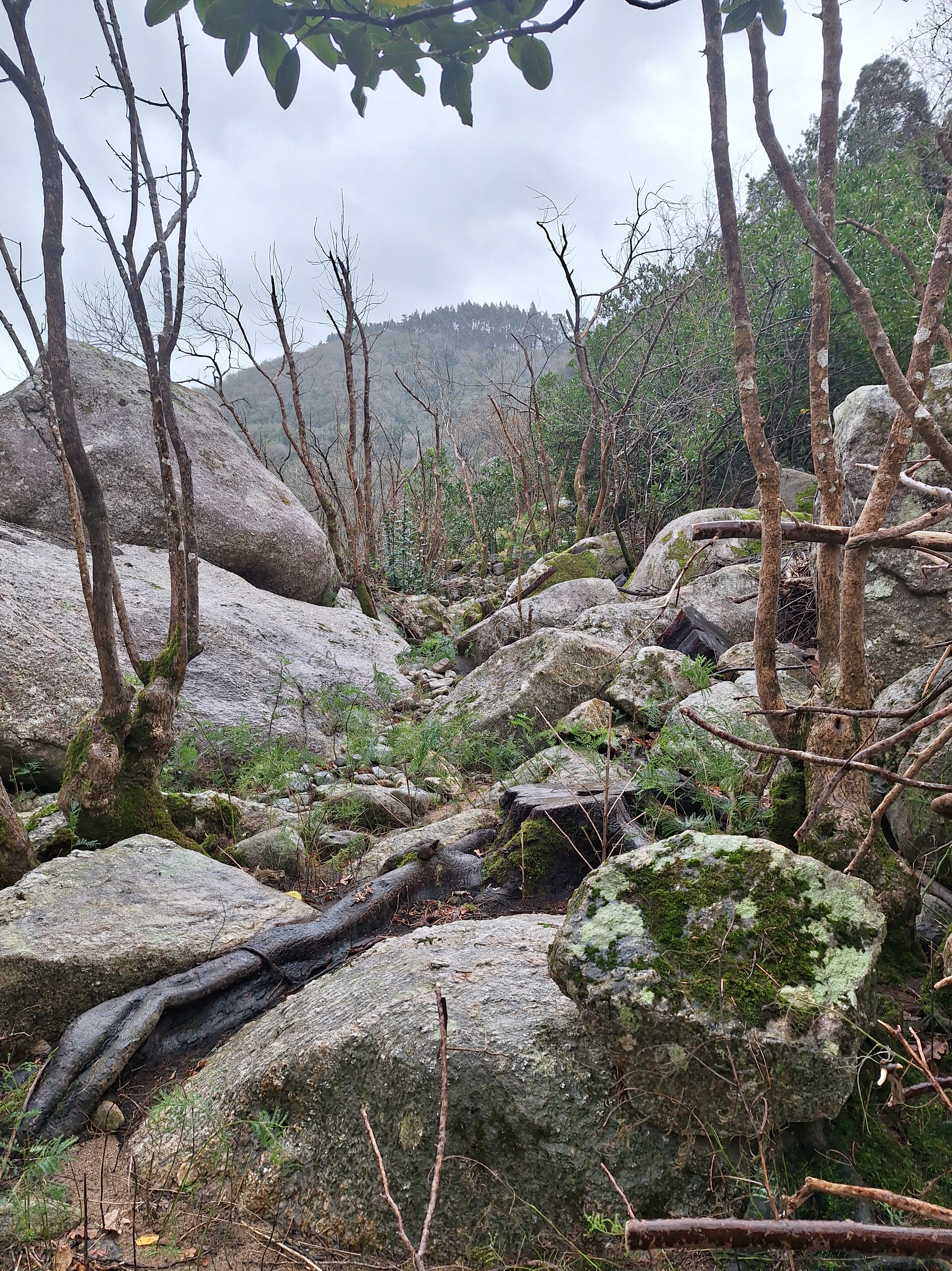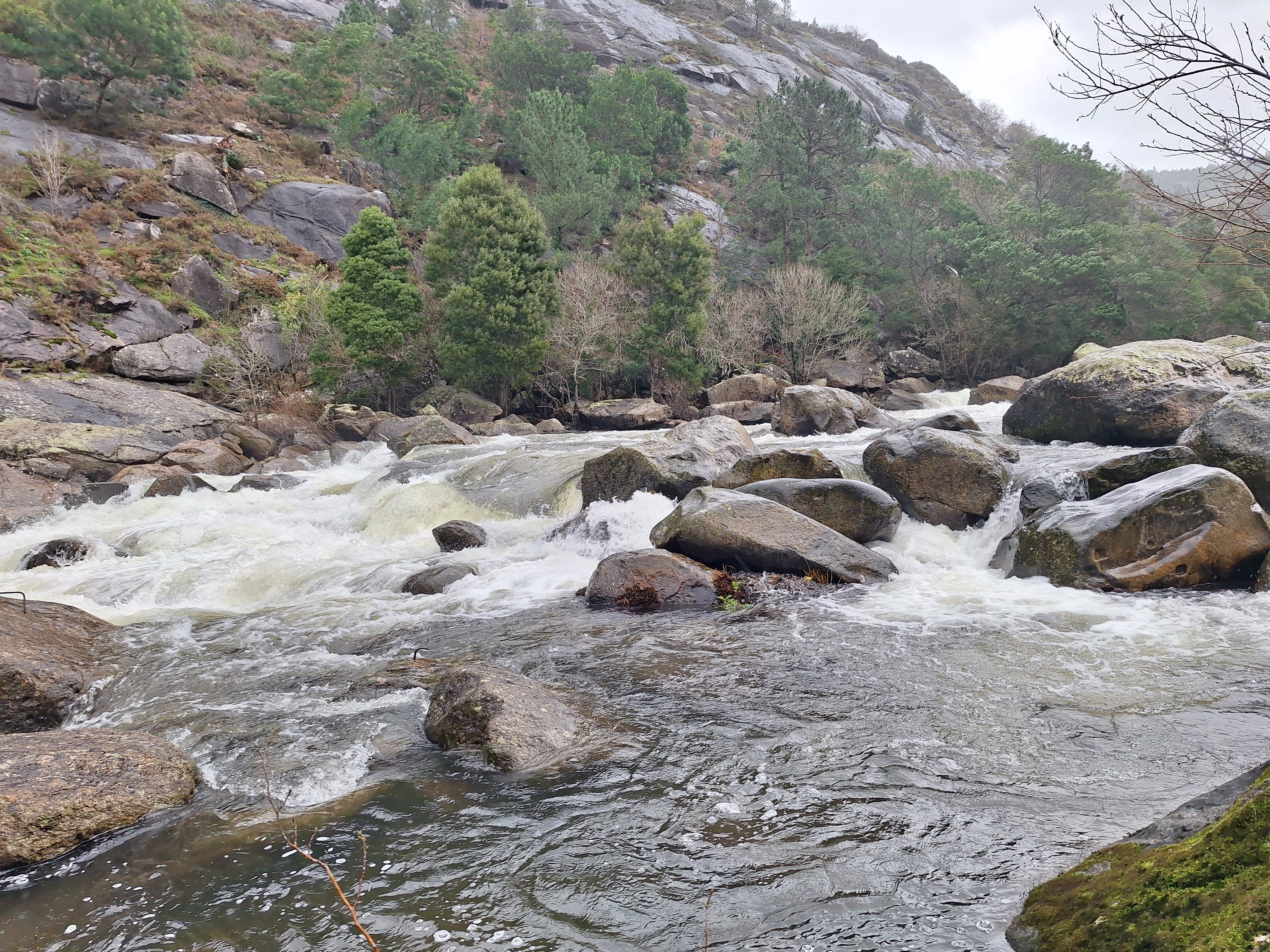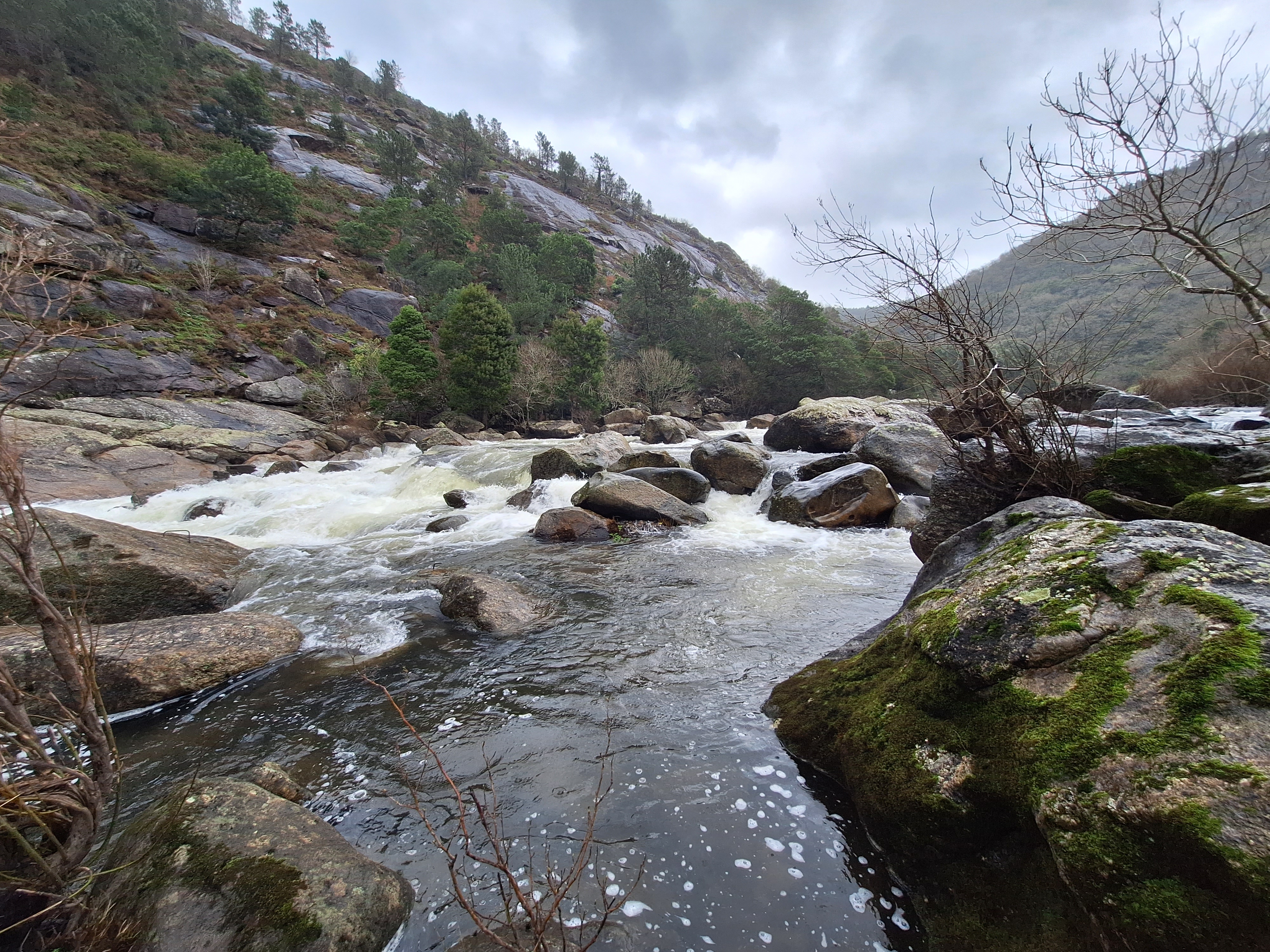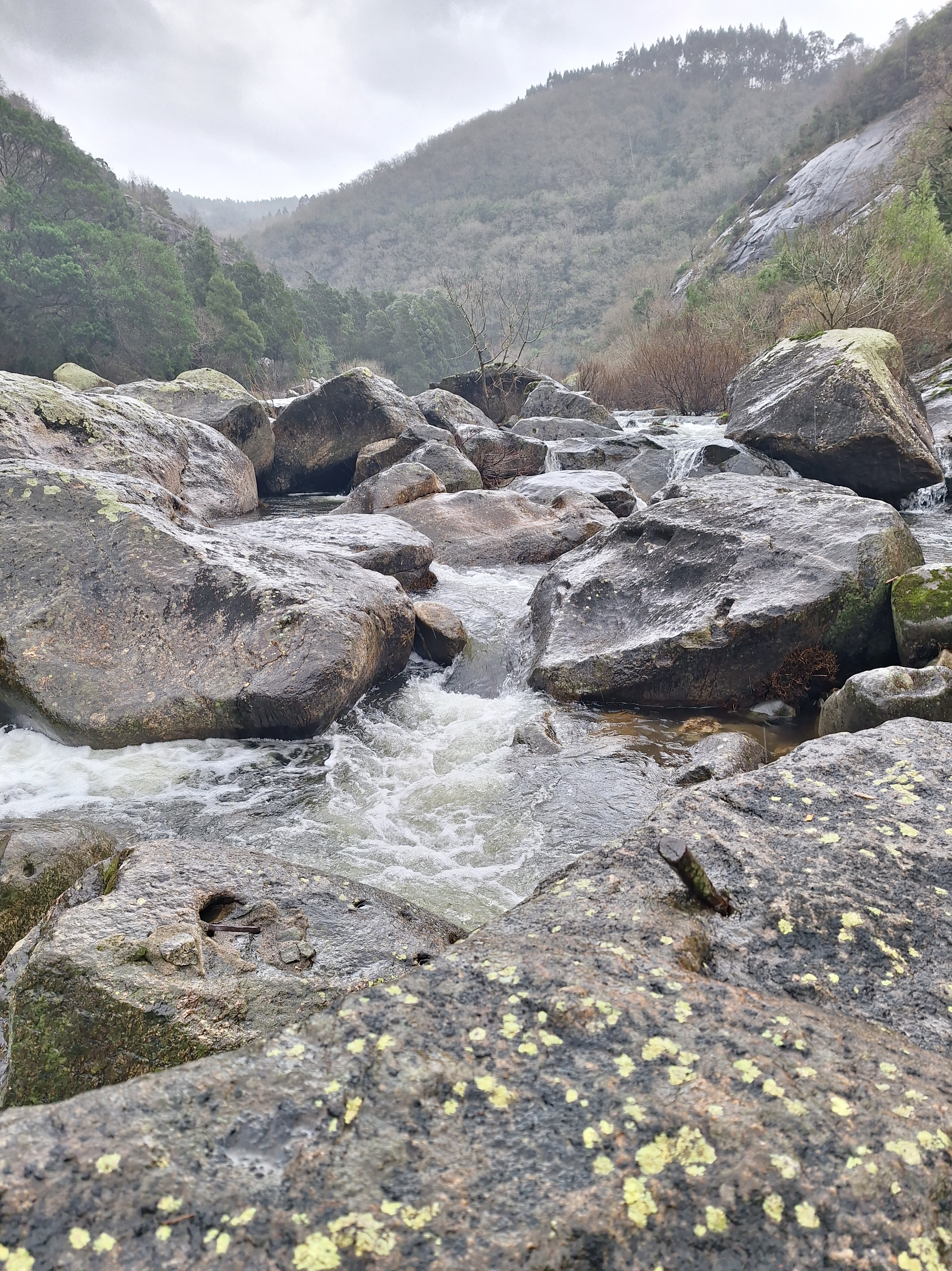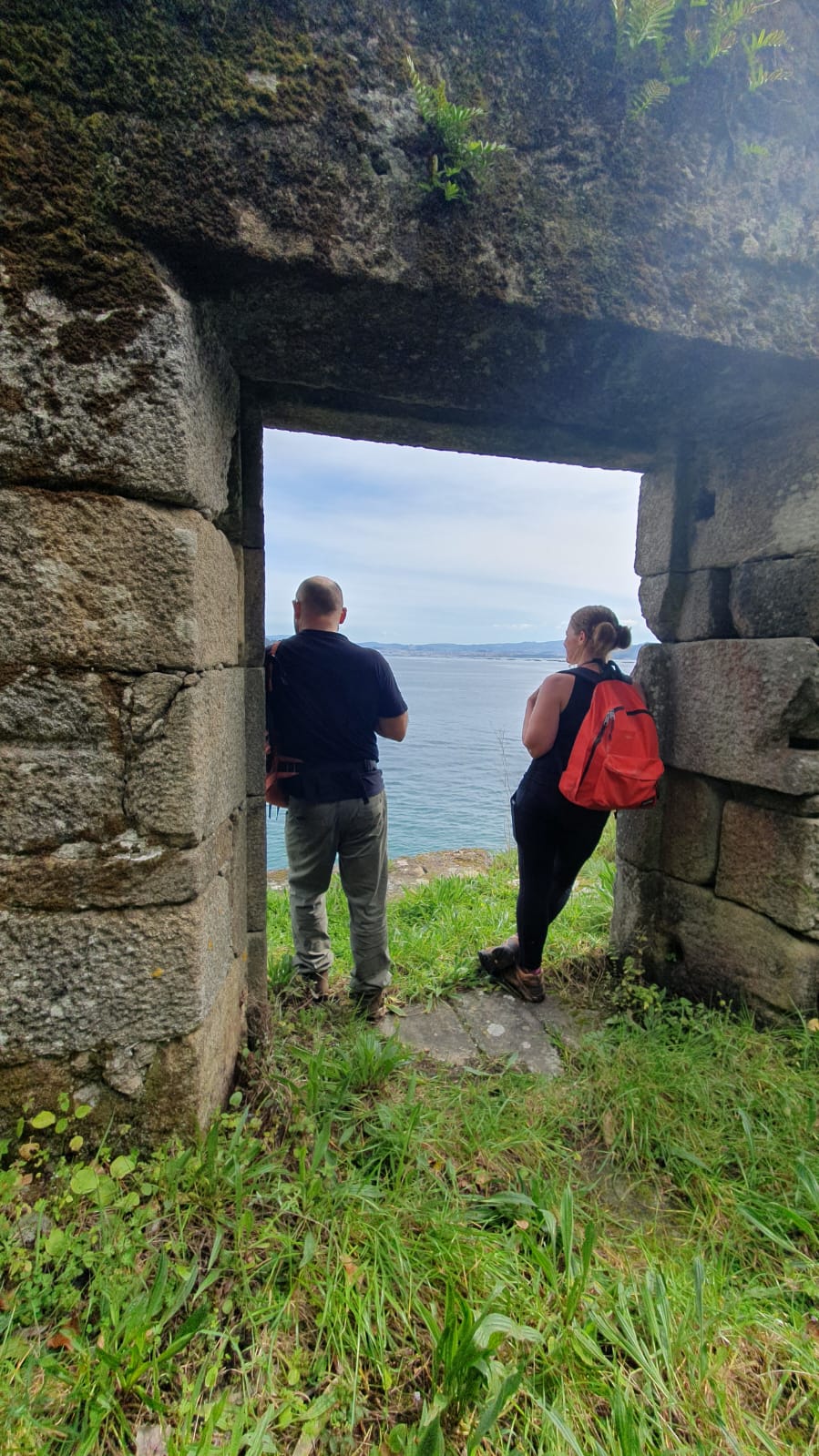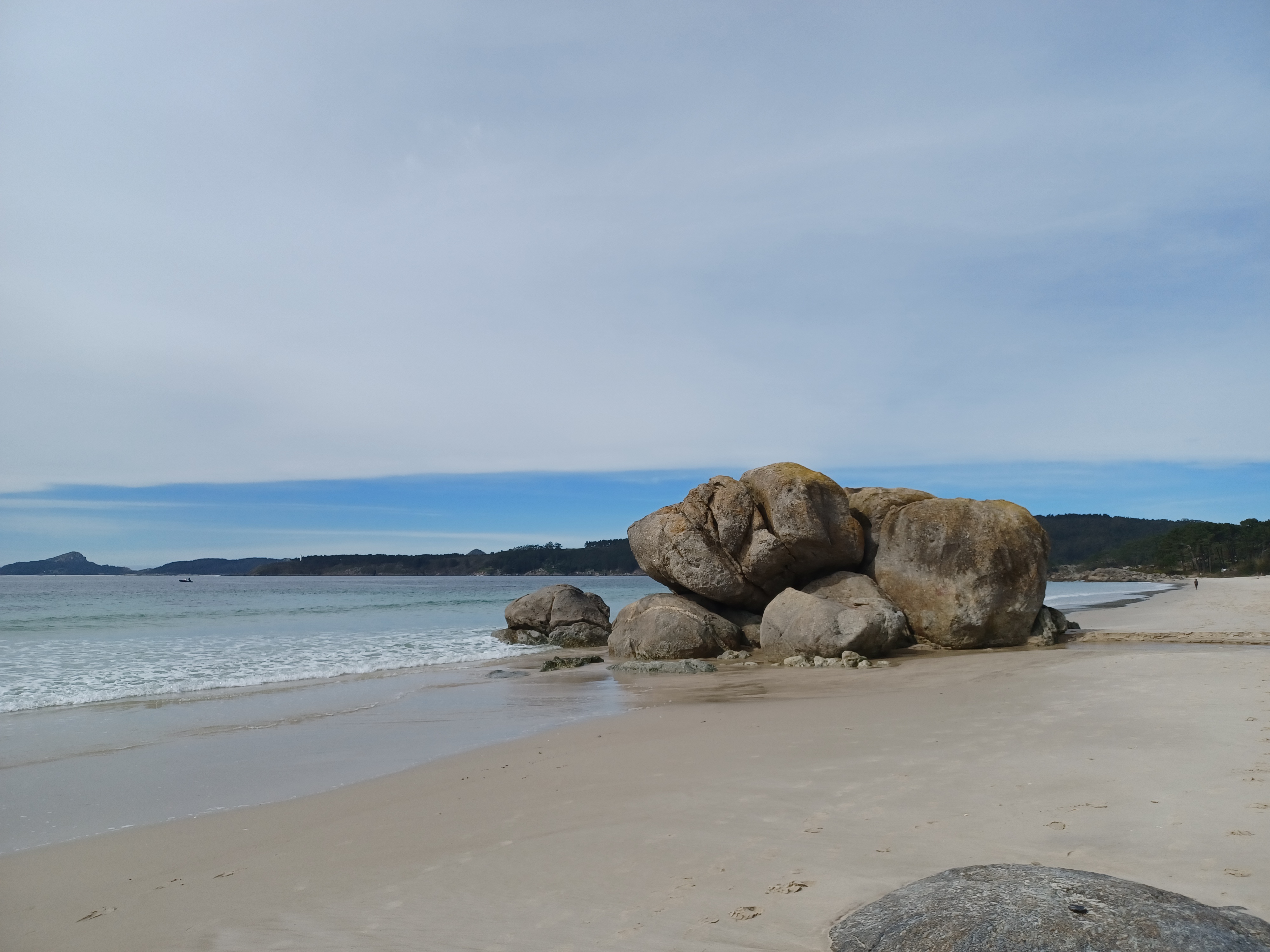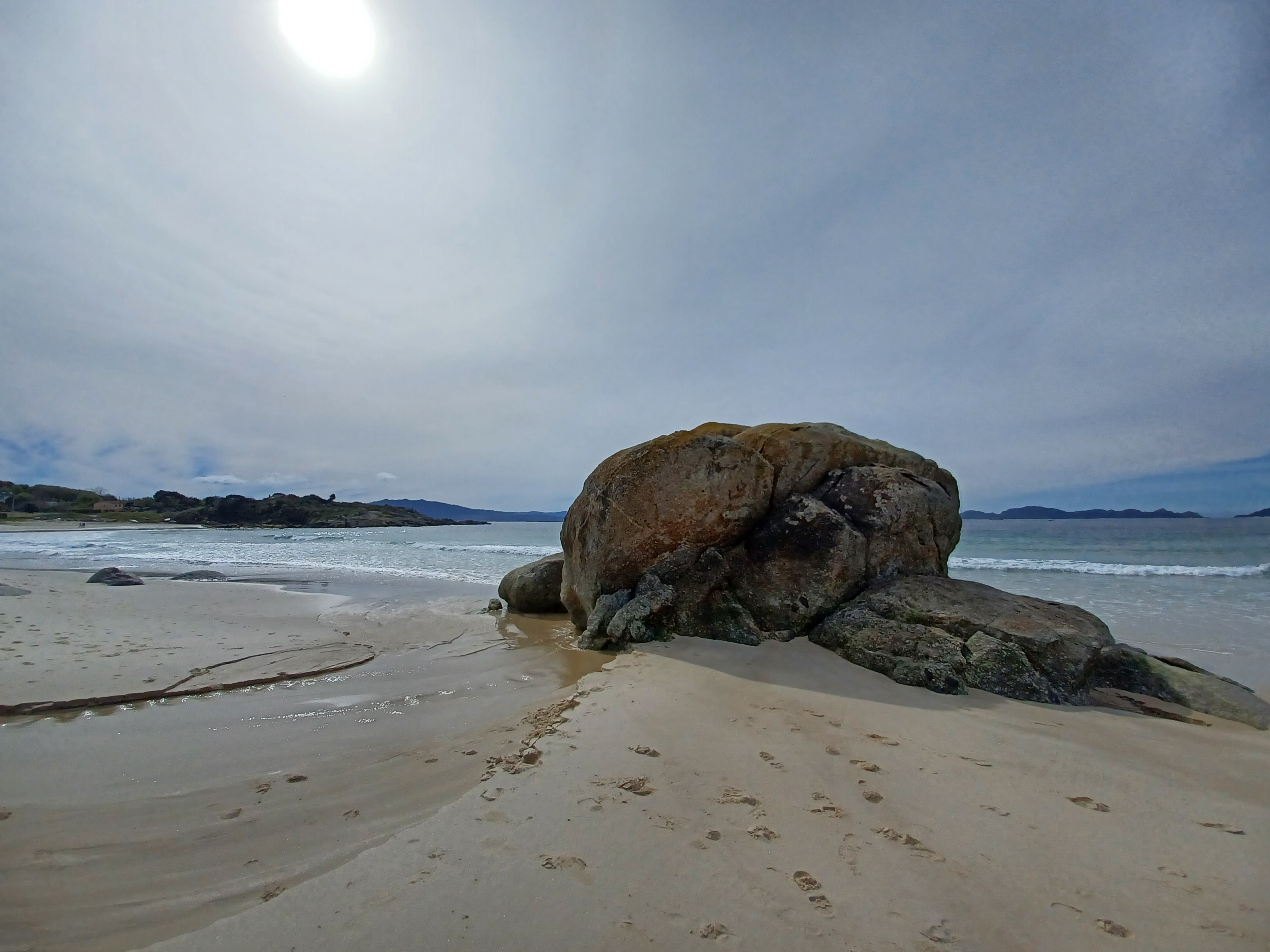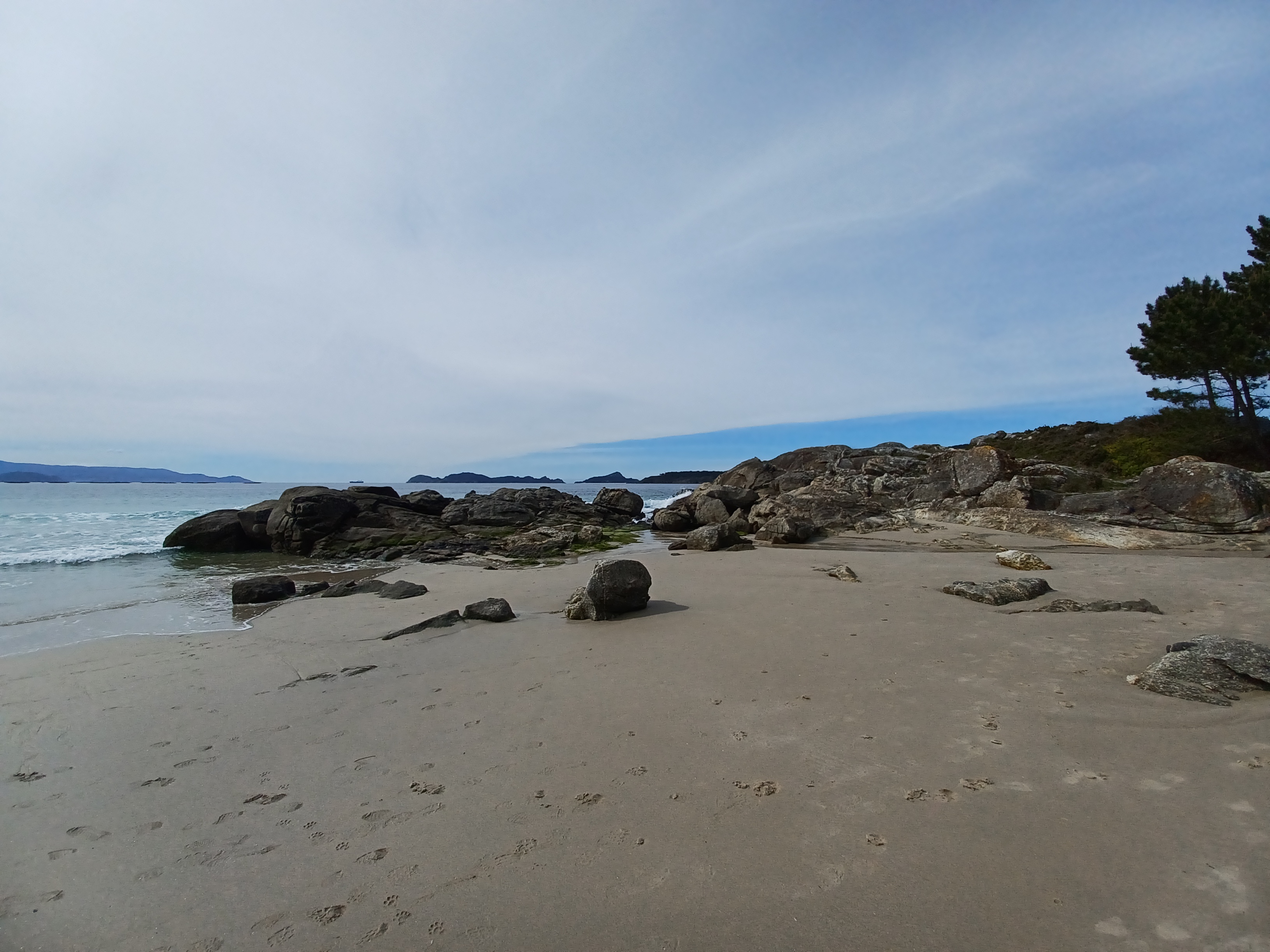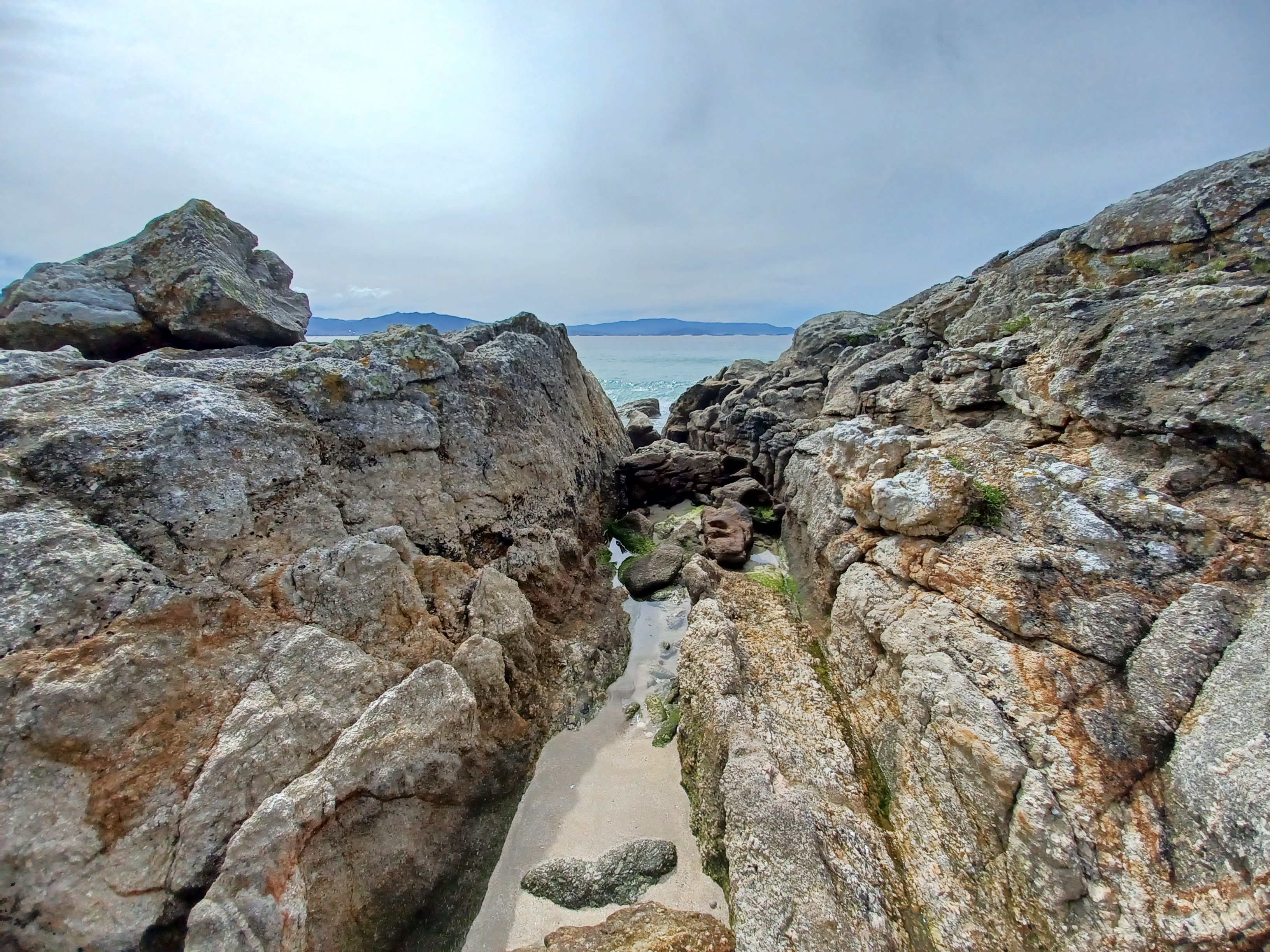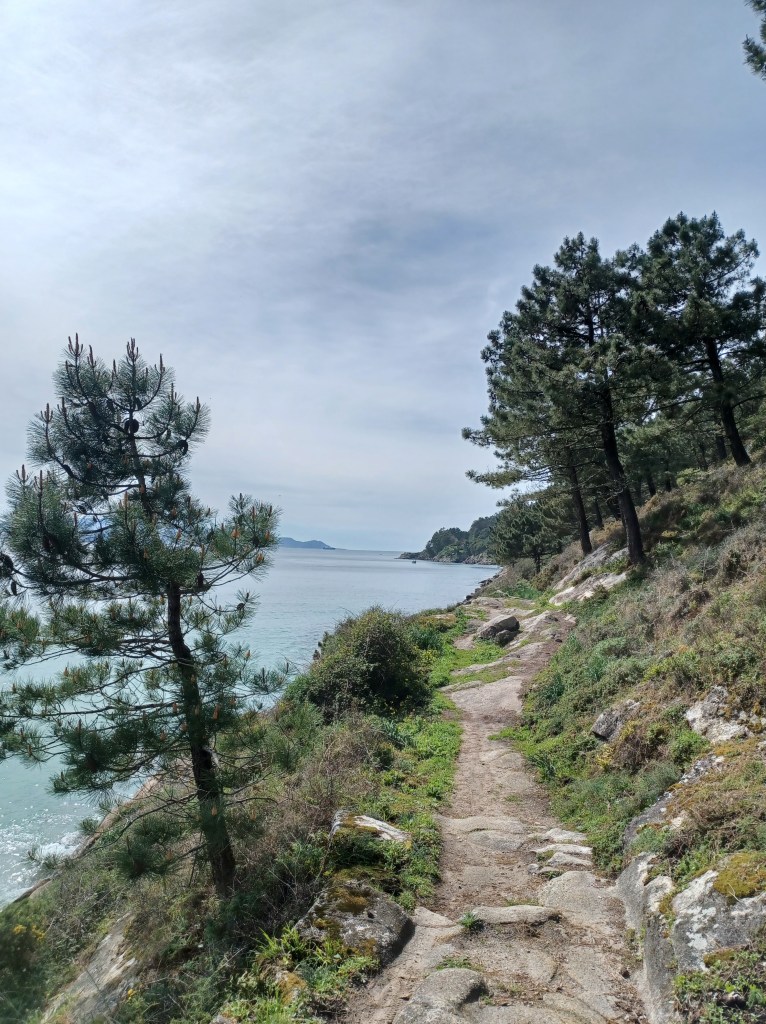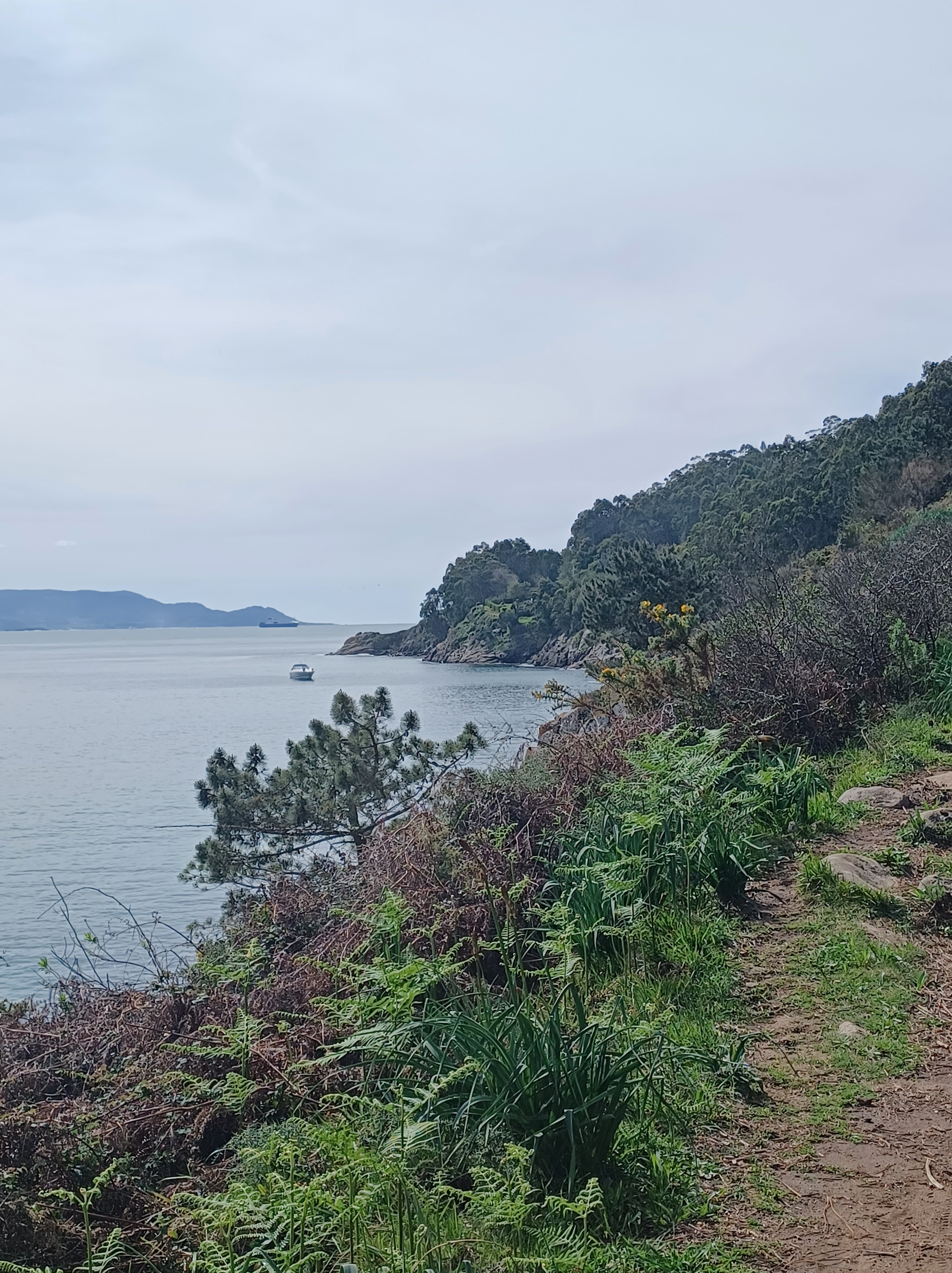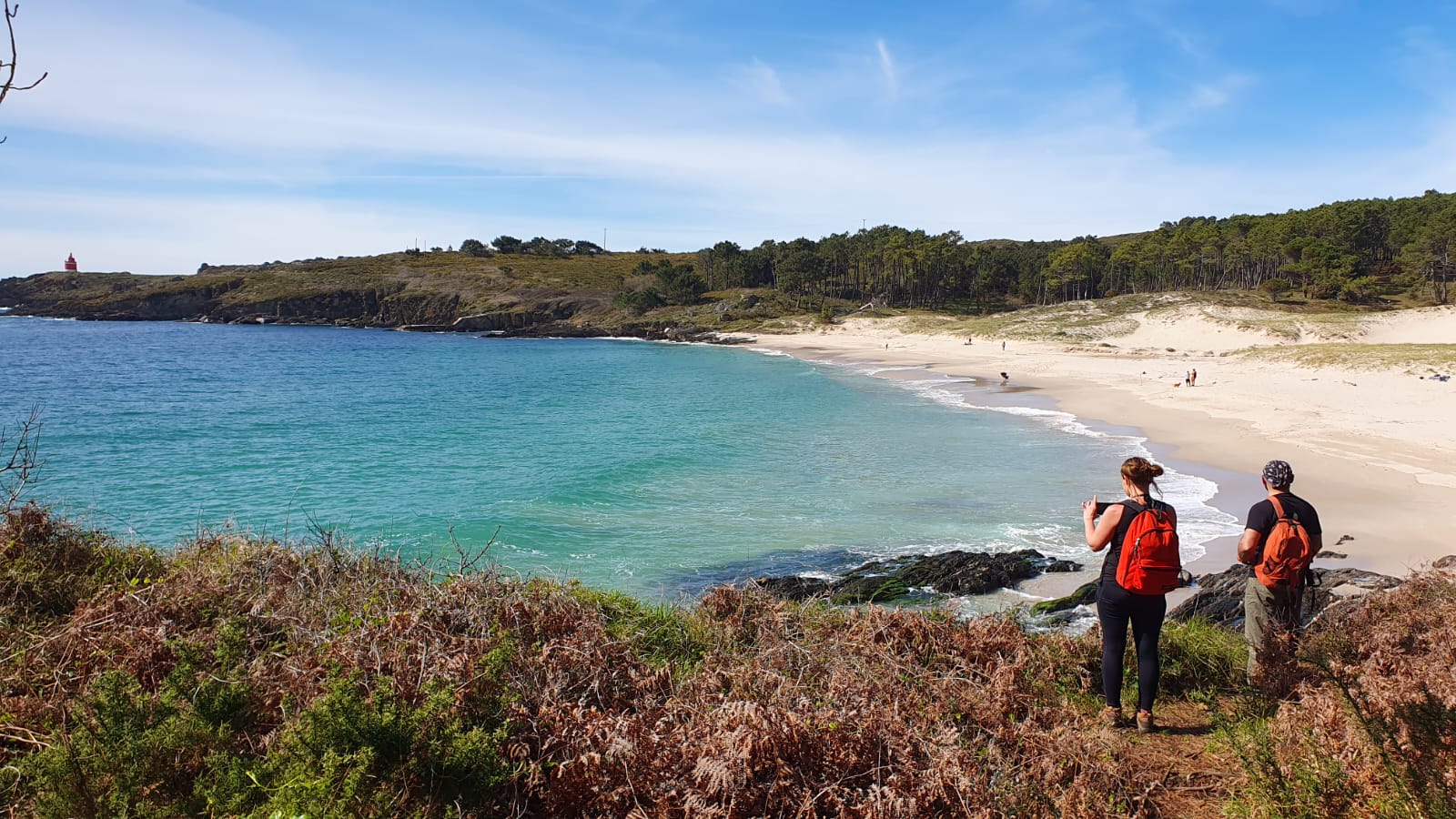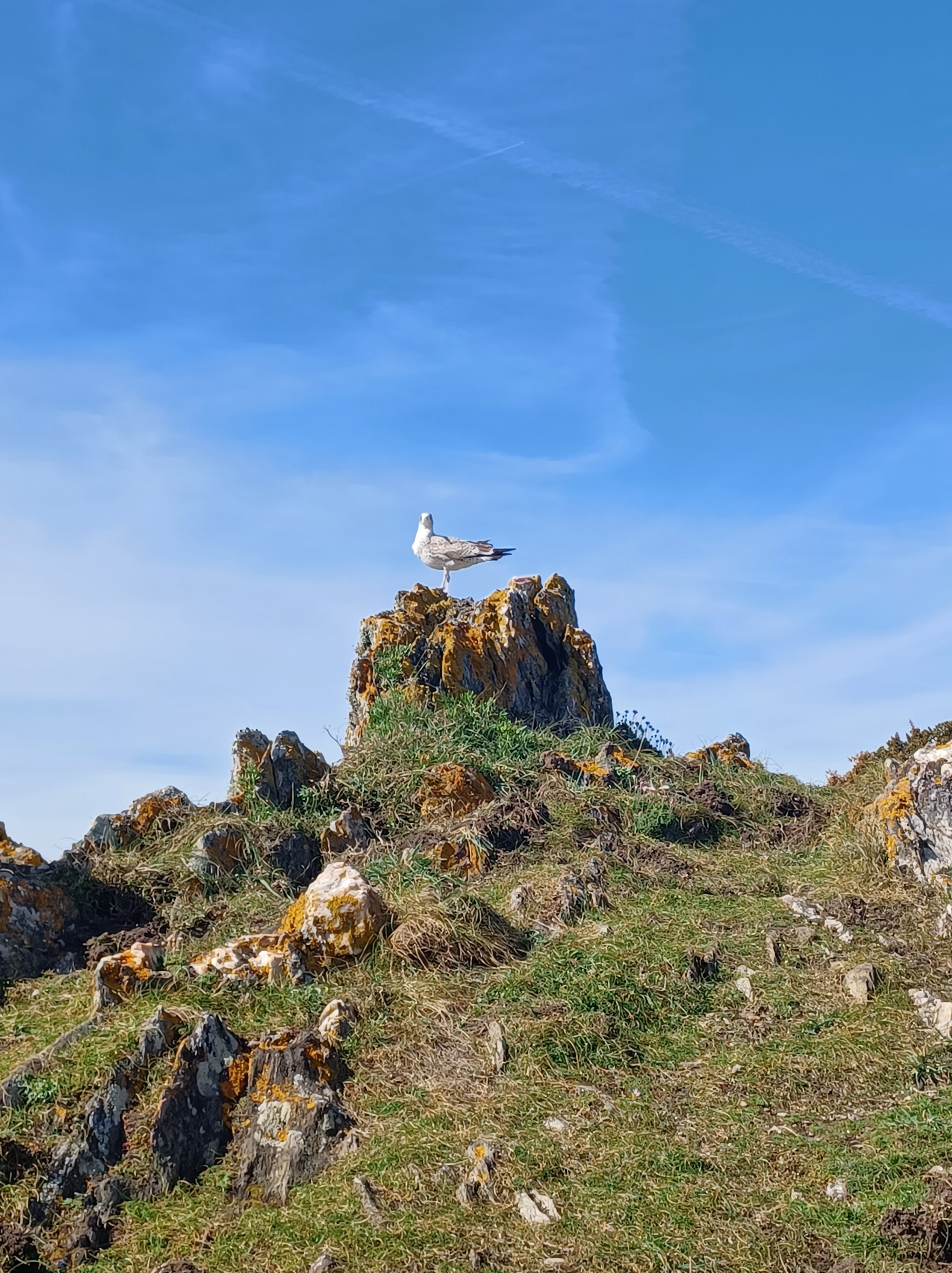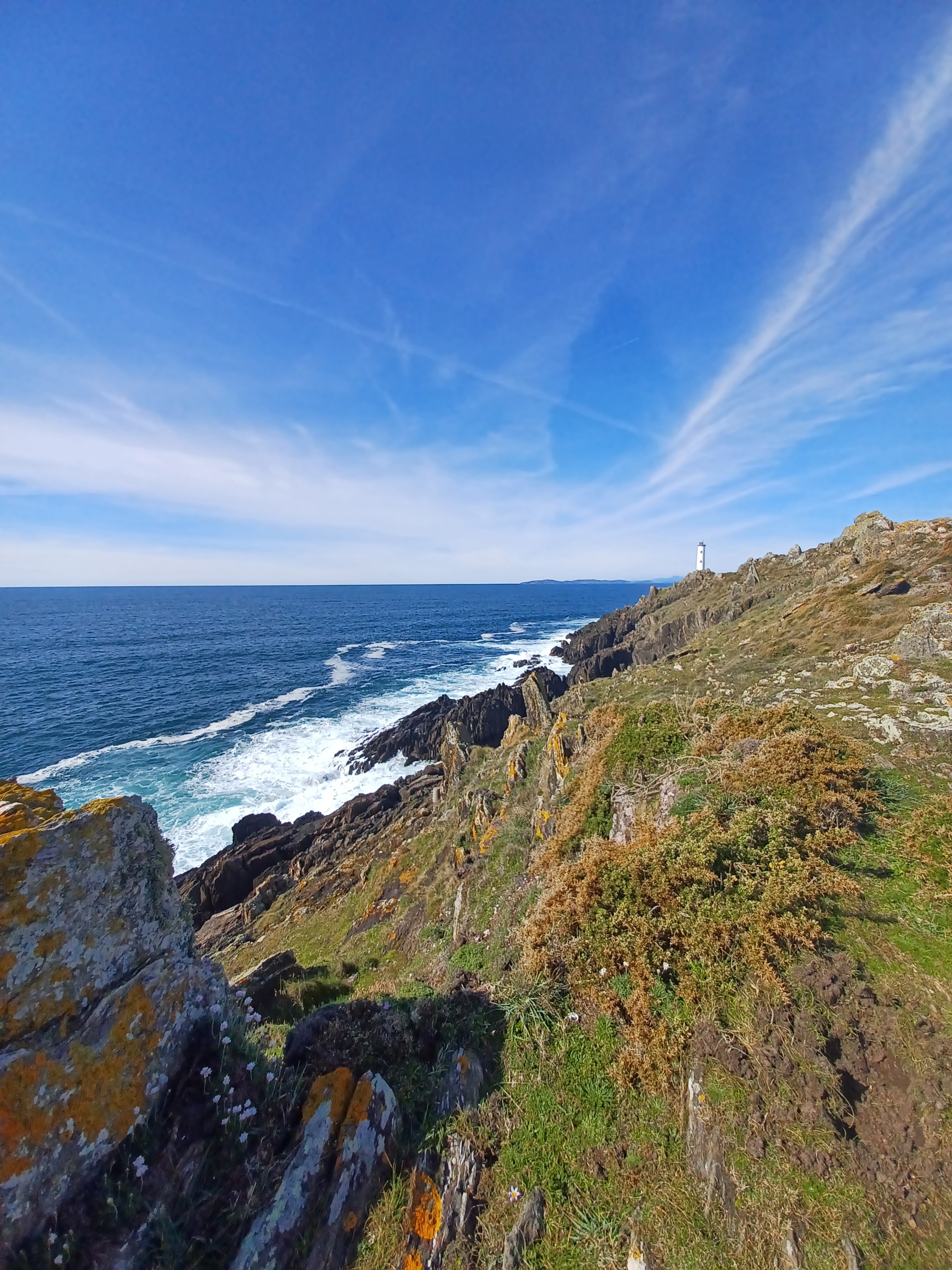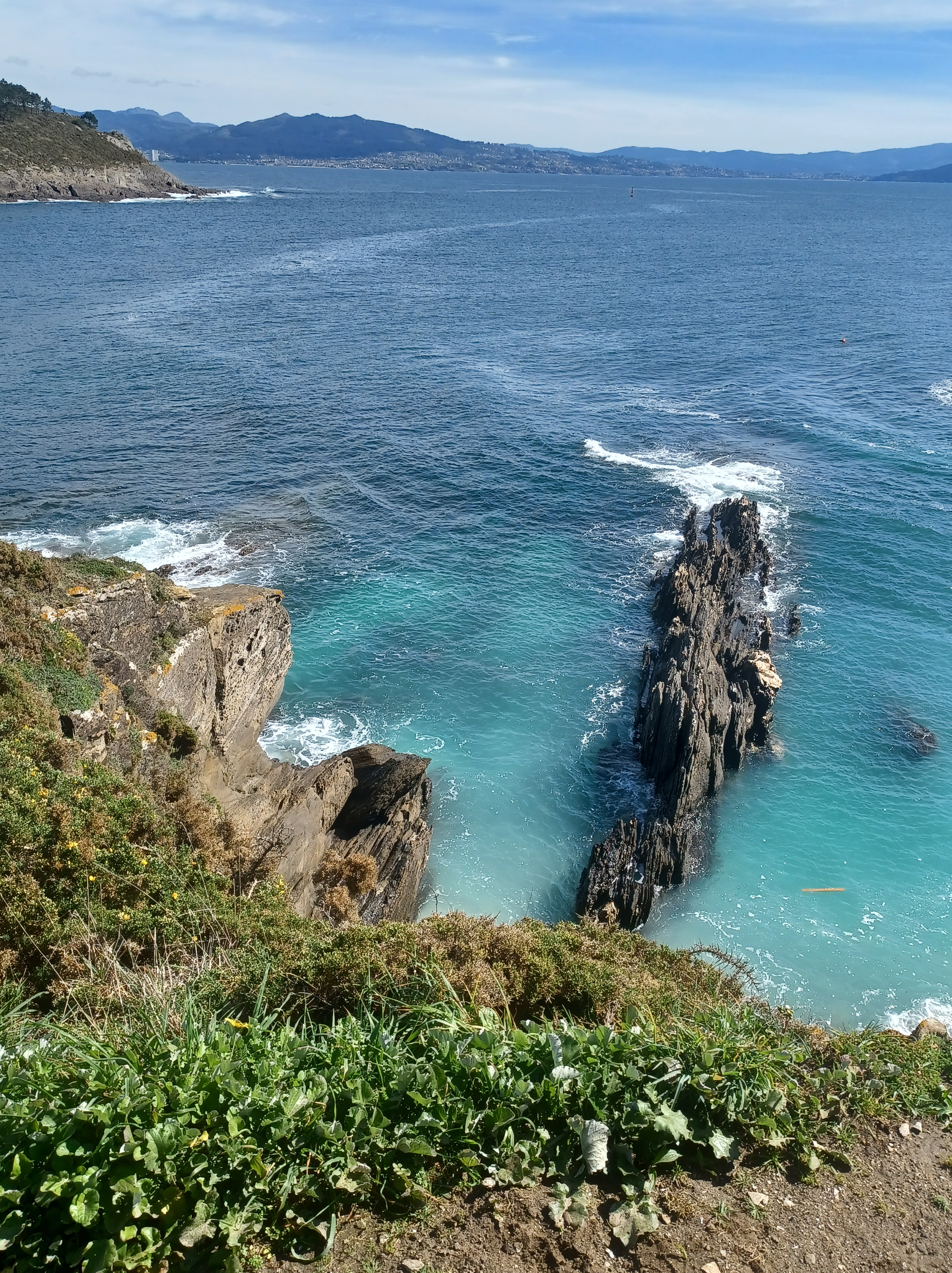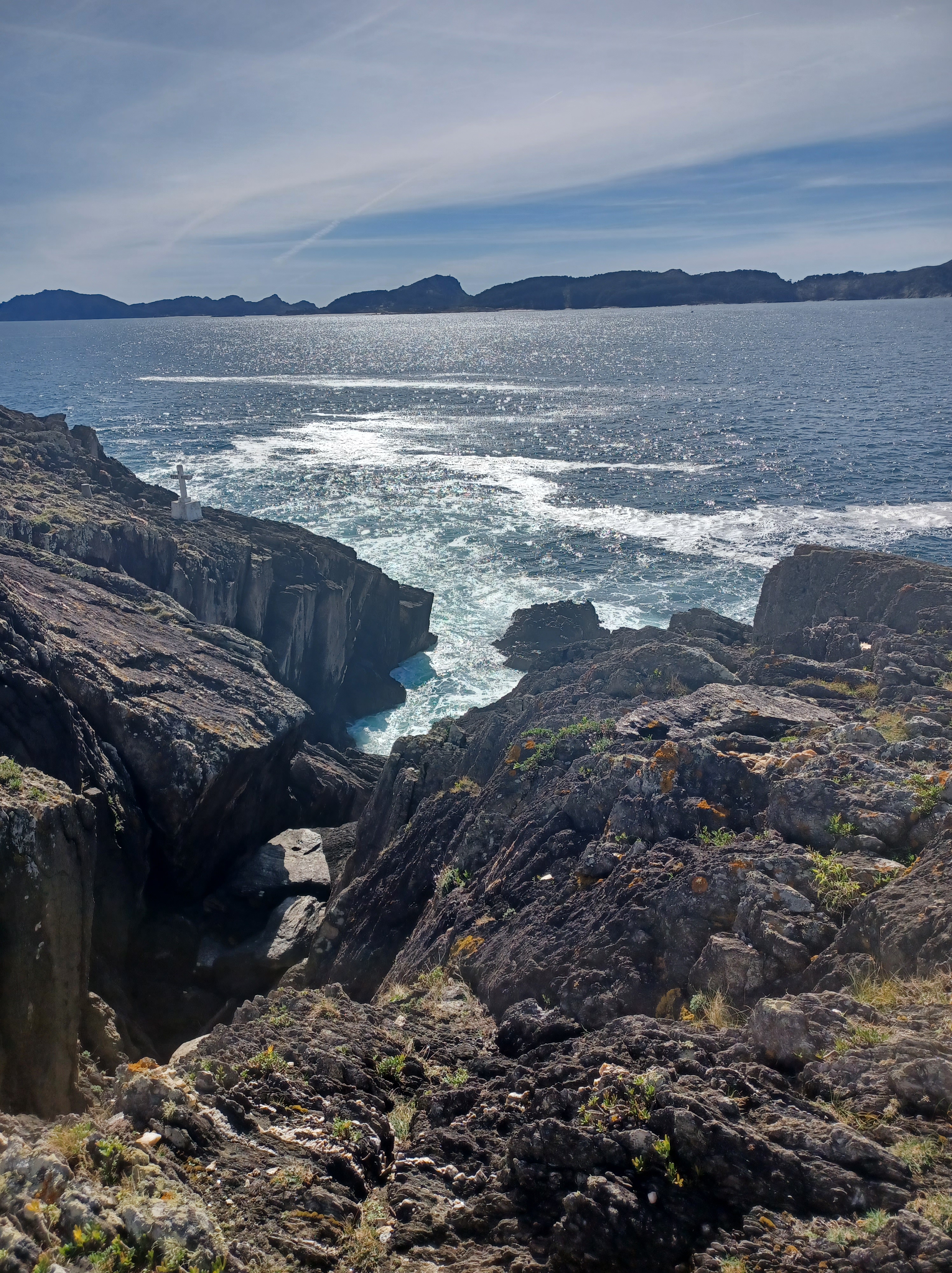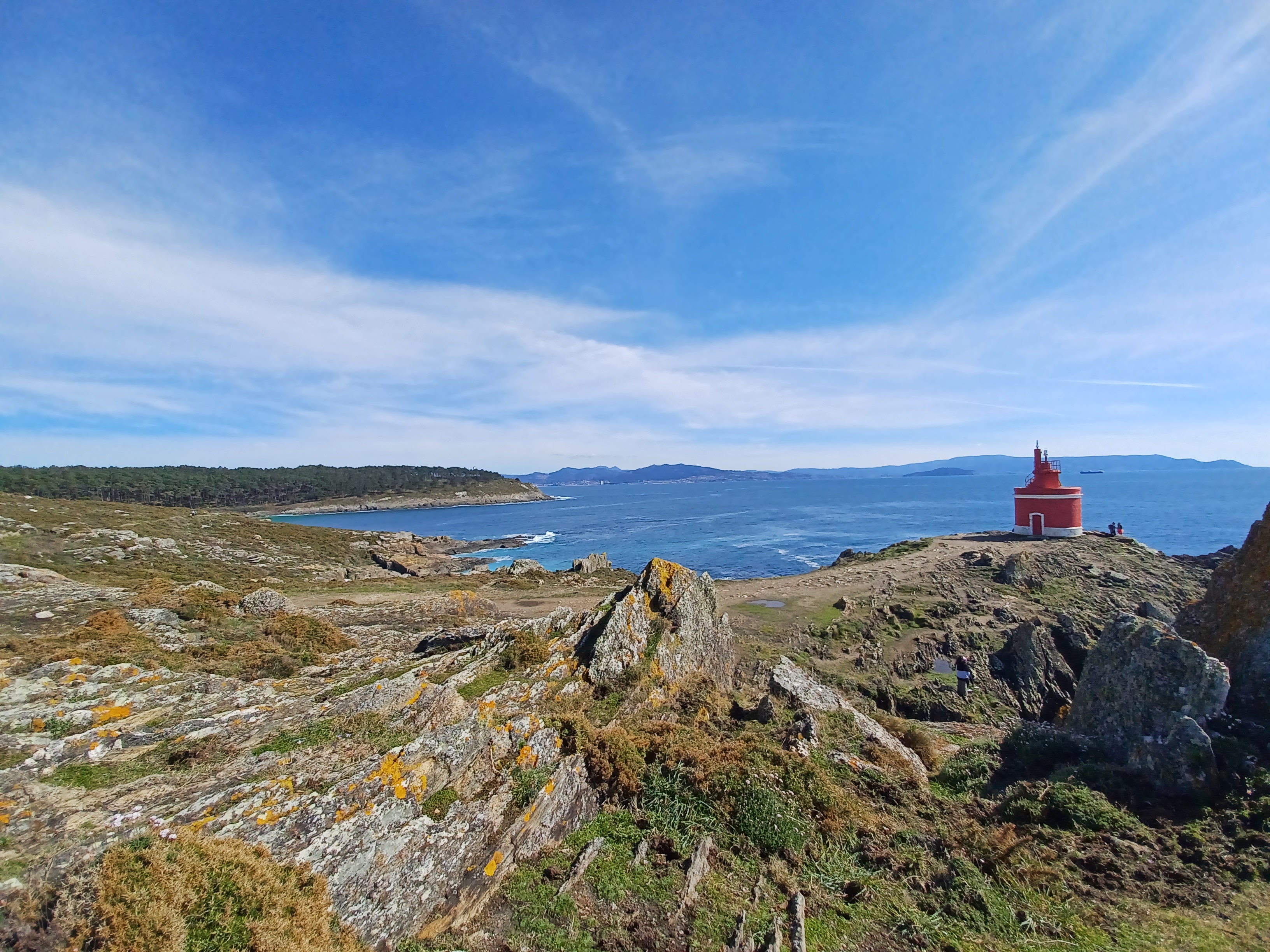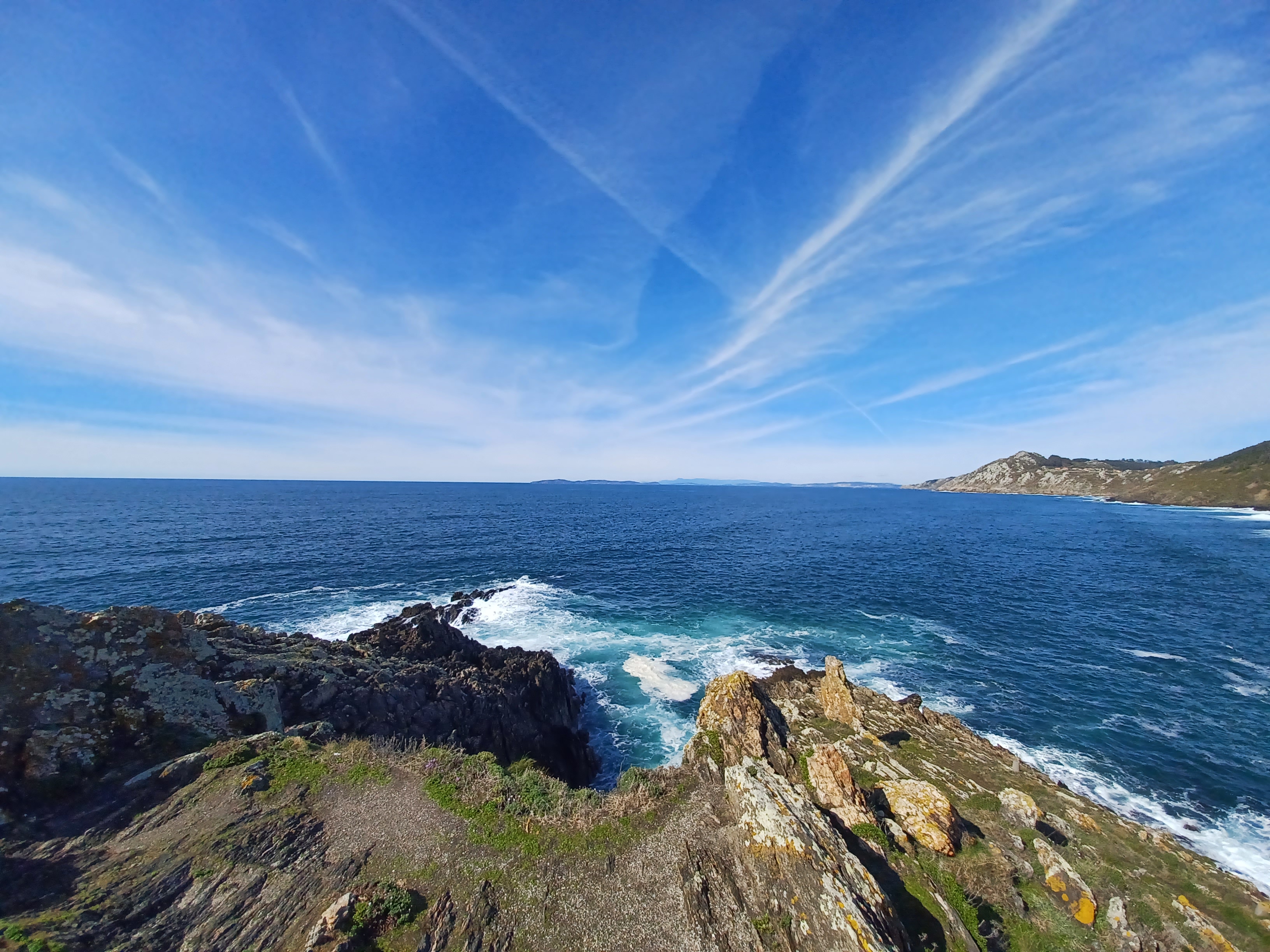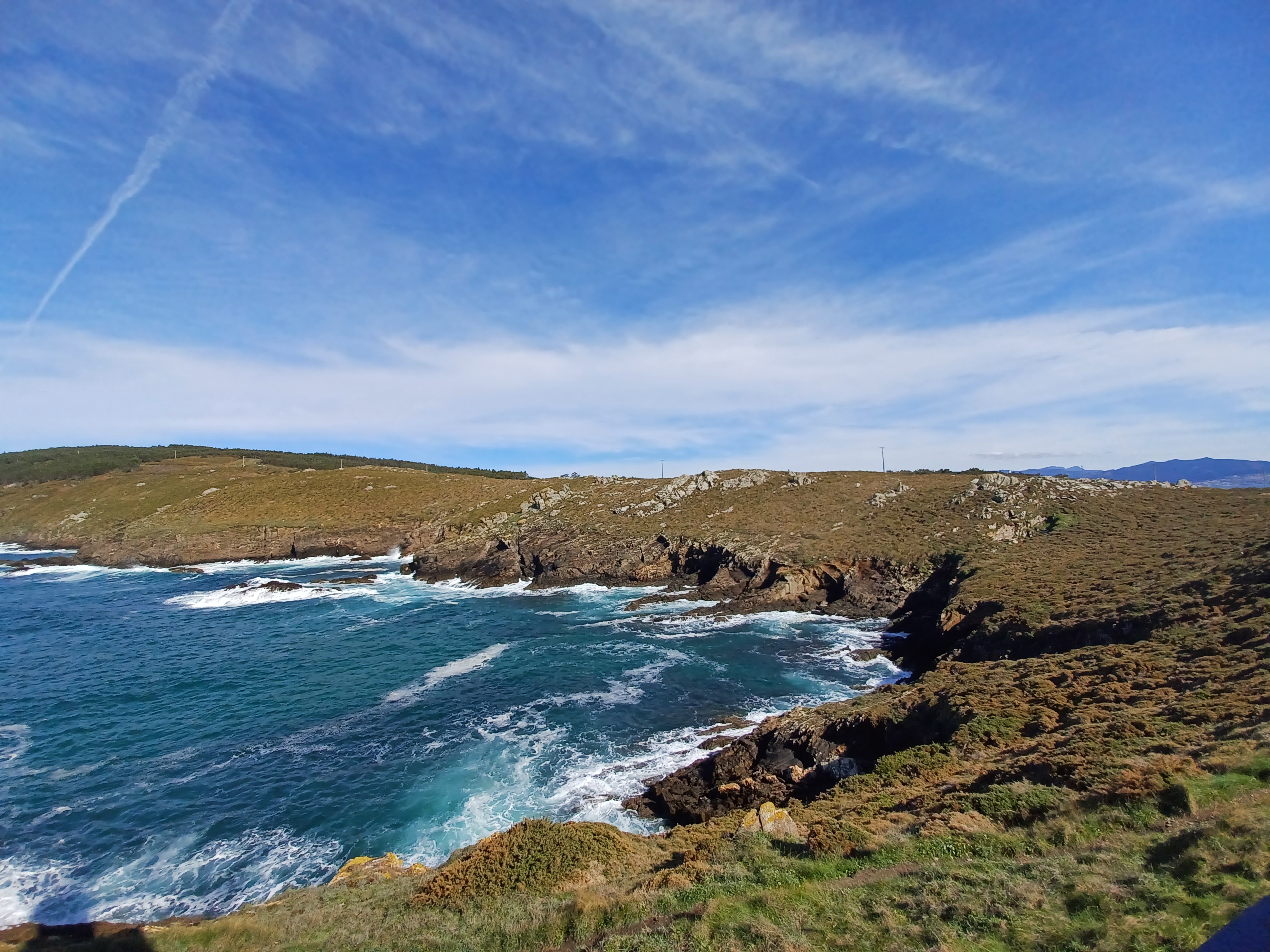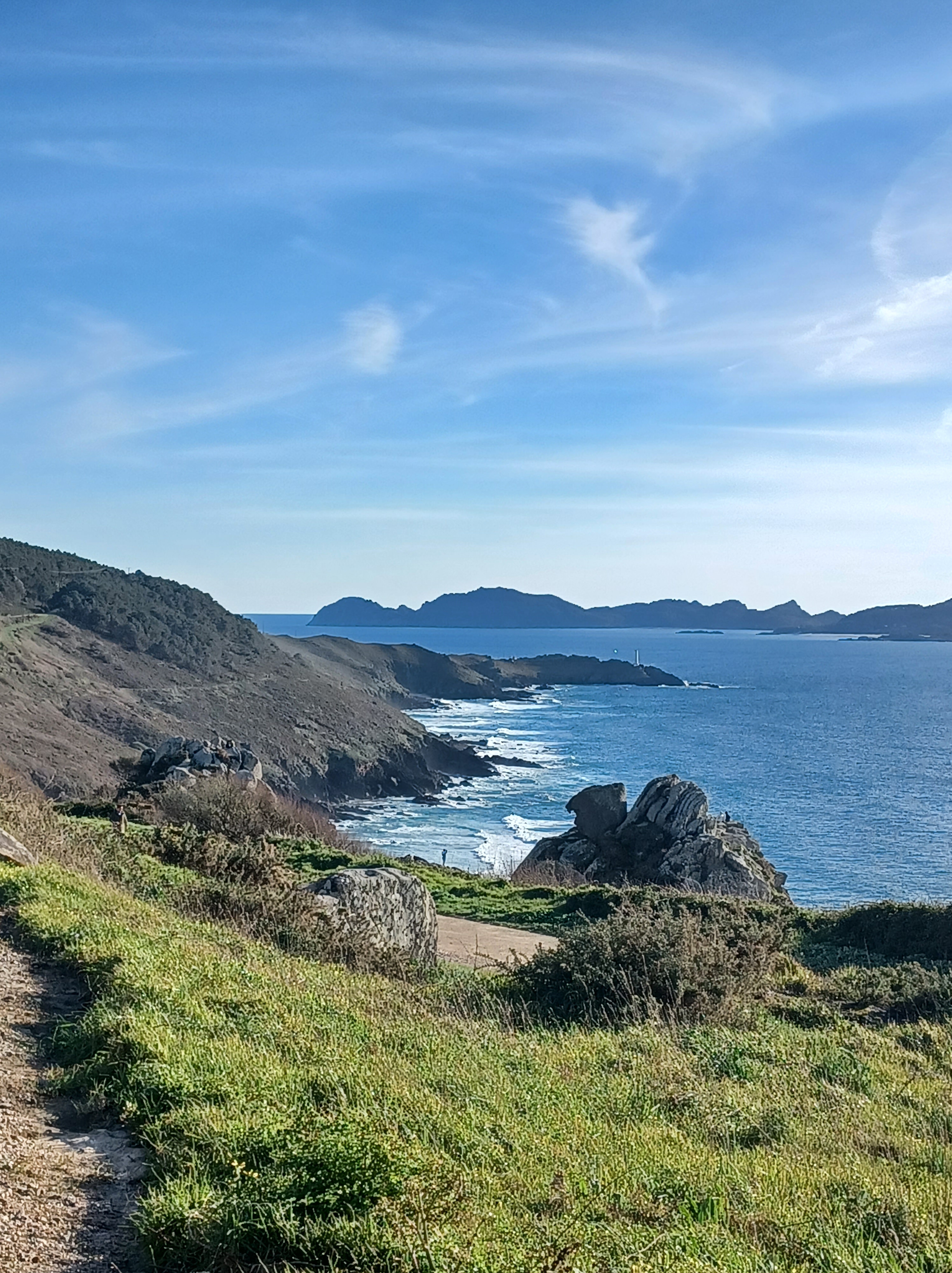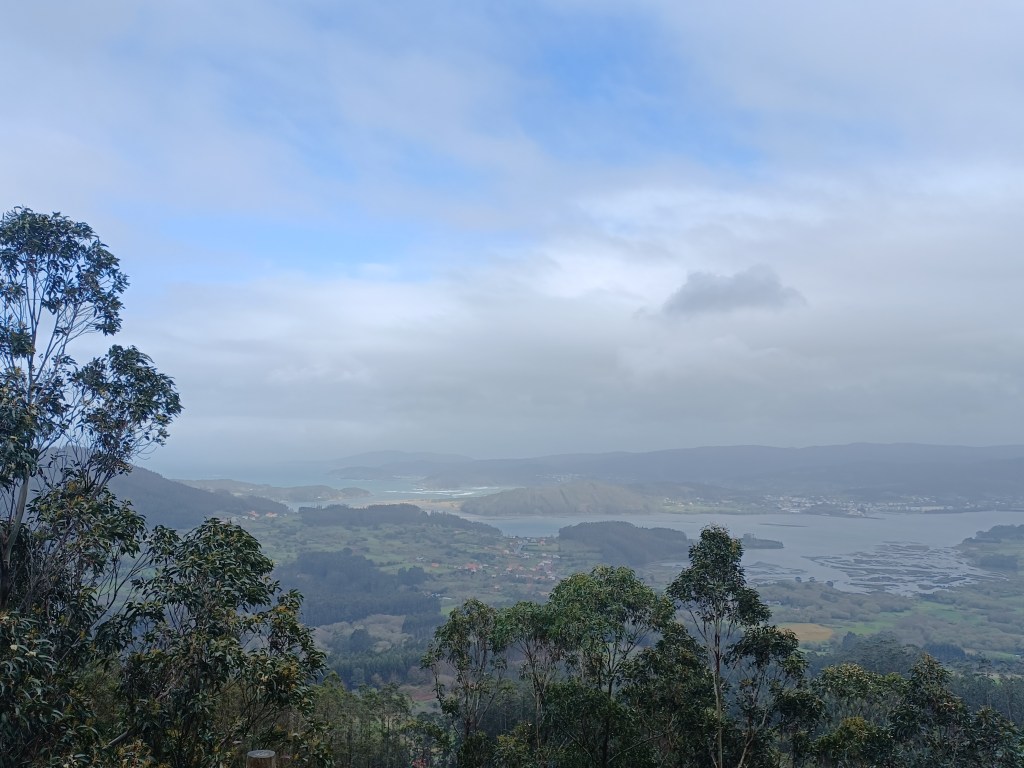
Cabo Vilán is one of the most (or many) beautiful paths along the Ruta dos Faros on the coast of Galicia. The small segment of the path I took on this trip is a genuinely easy trail. It is mostly flat until you make the climb to the lighthouse itself.
I made this trip the first day of March, so the air is still cool. It was very windy, especially along the cliffs. And… Galicia being true to herself, absolutely covered in toxos. I highly recommend a windproof jacket, good boots, and thick pants for this trip.
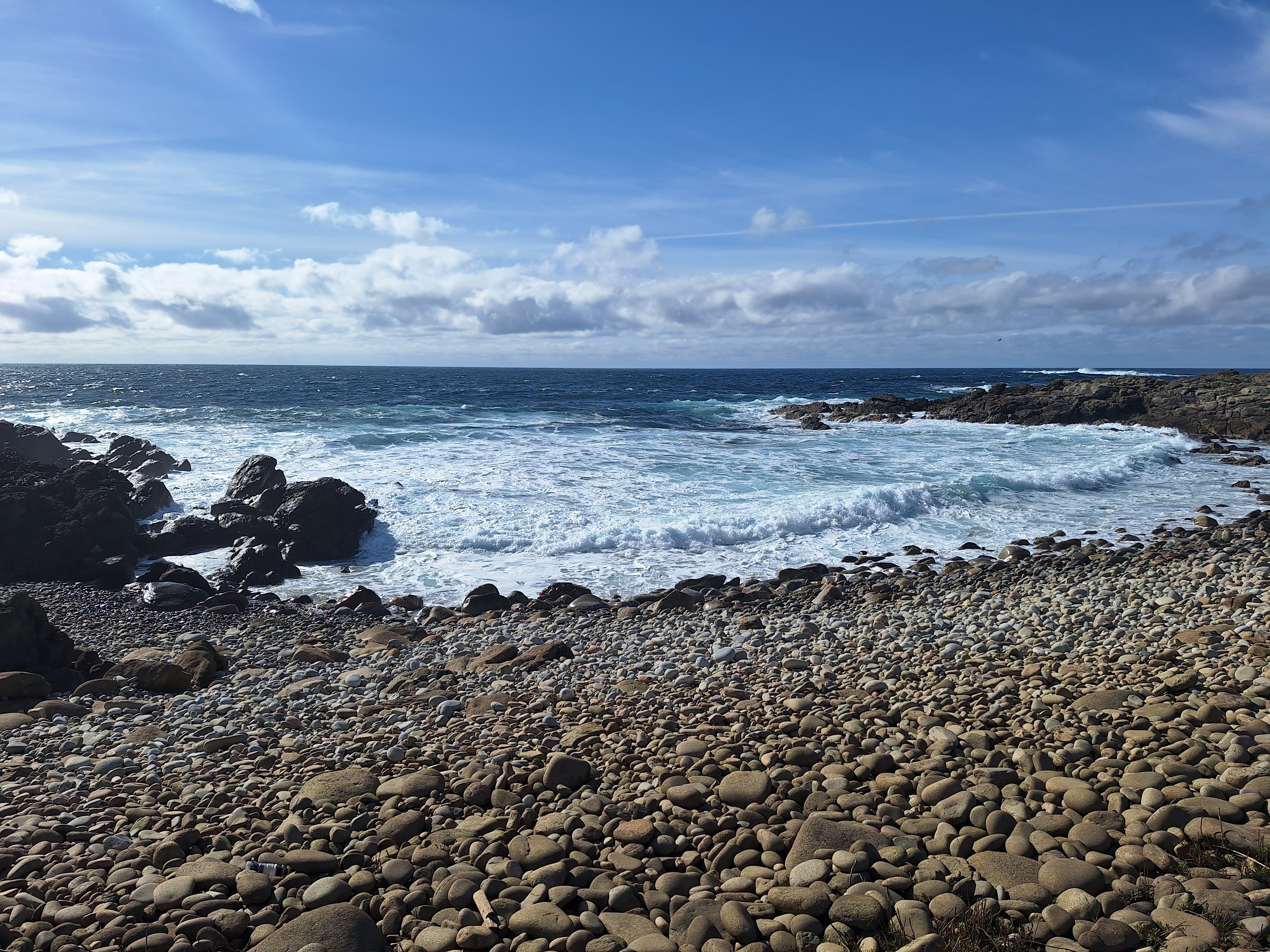
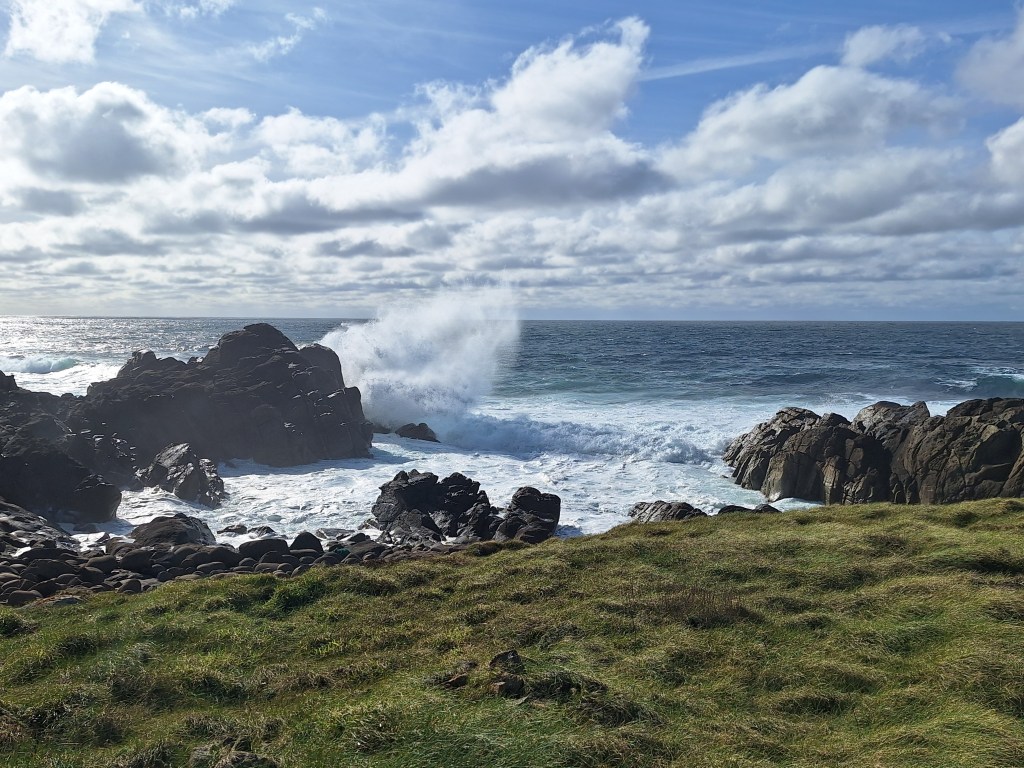
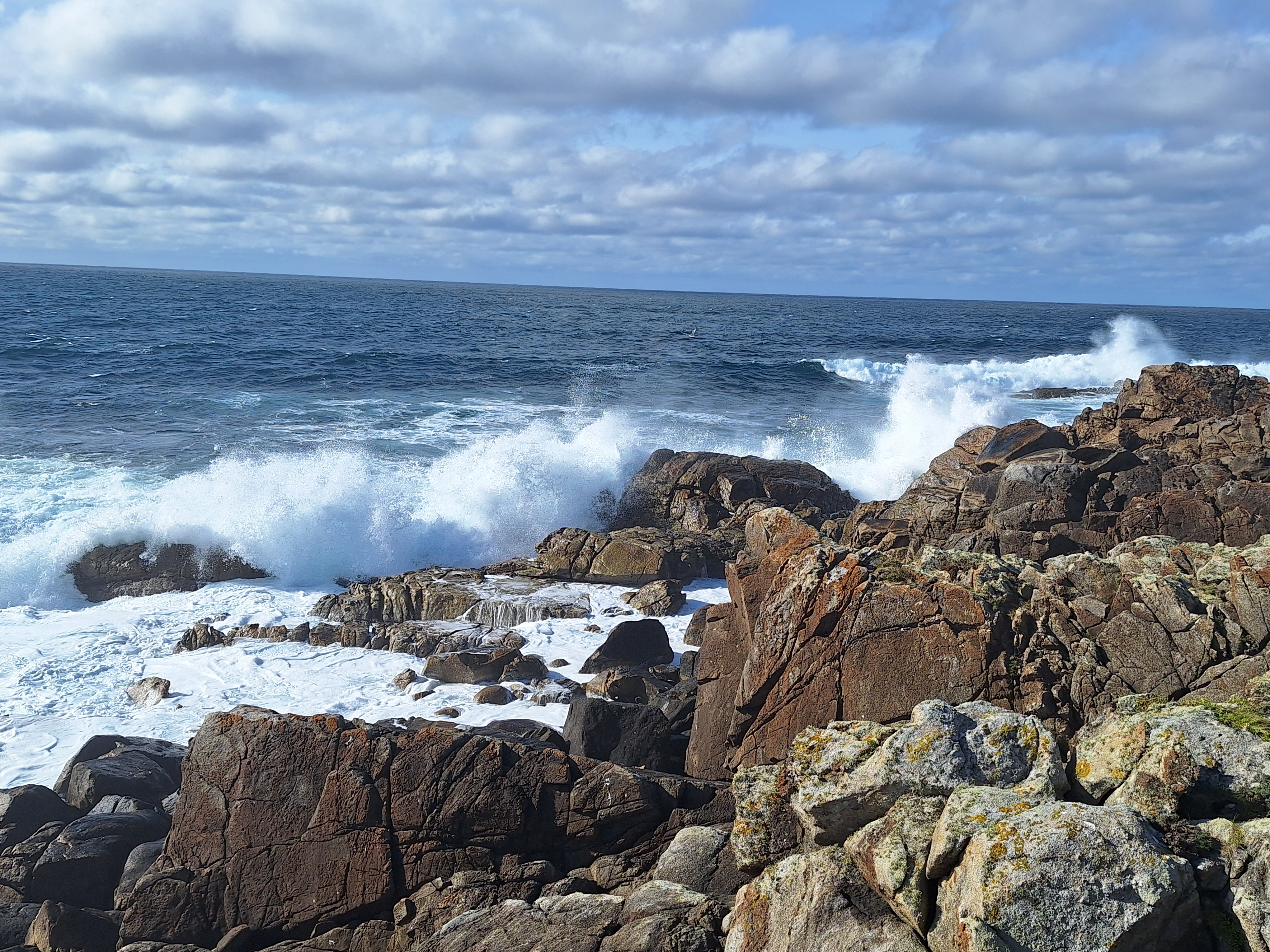
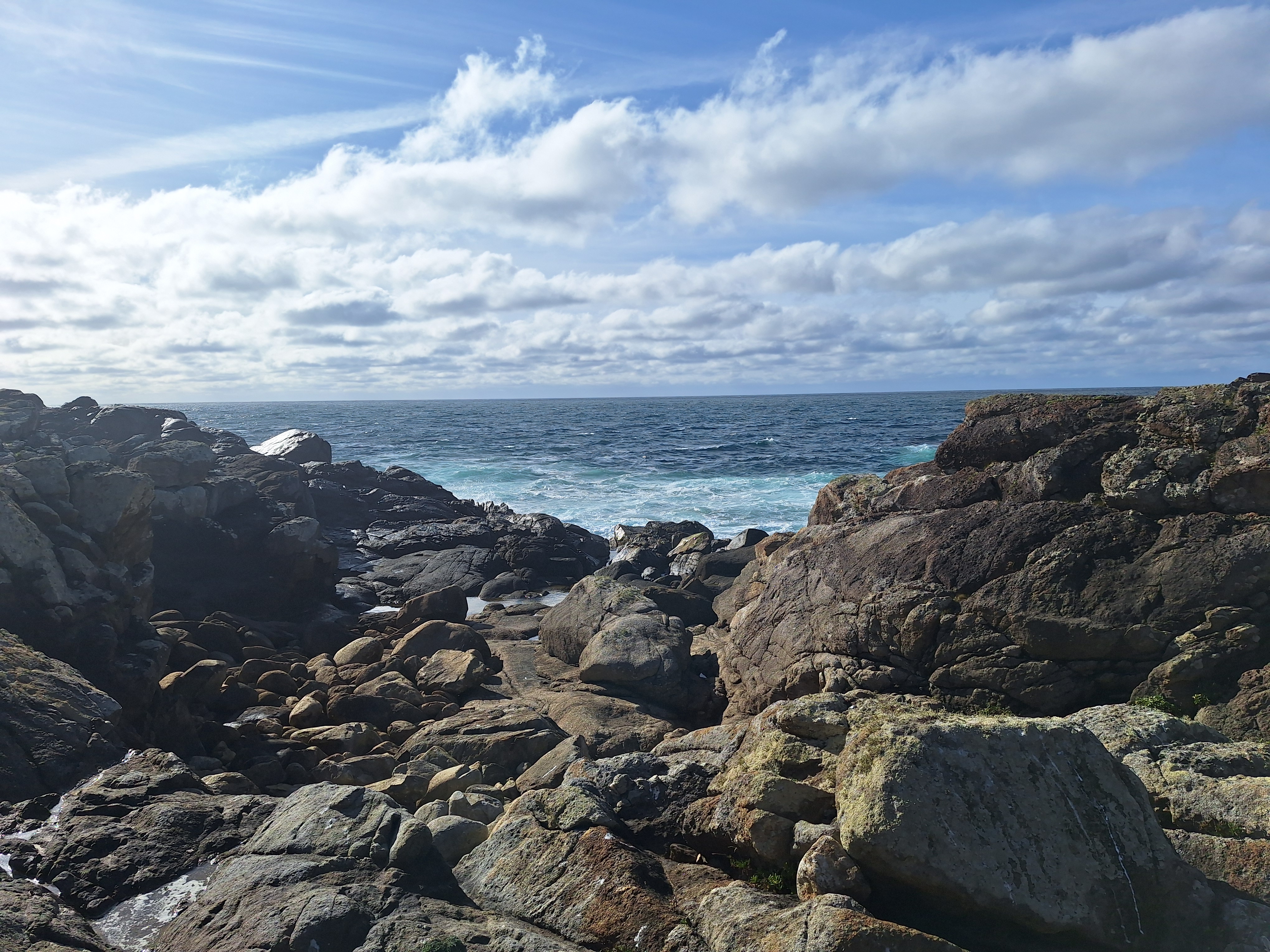
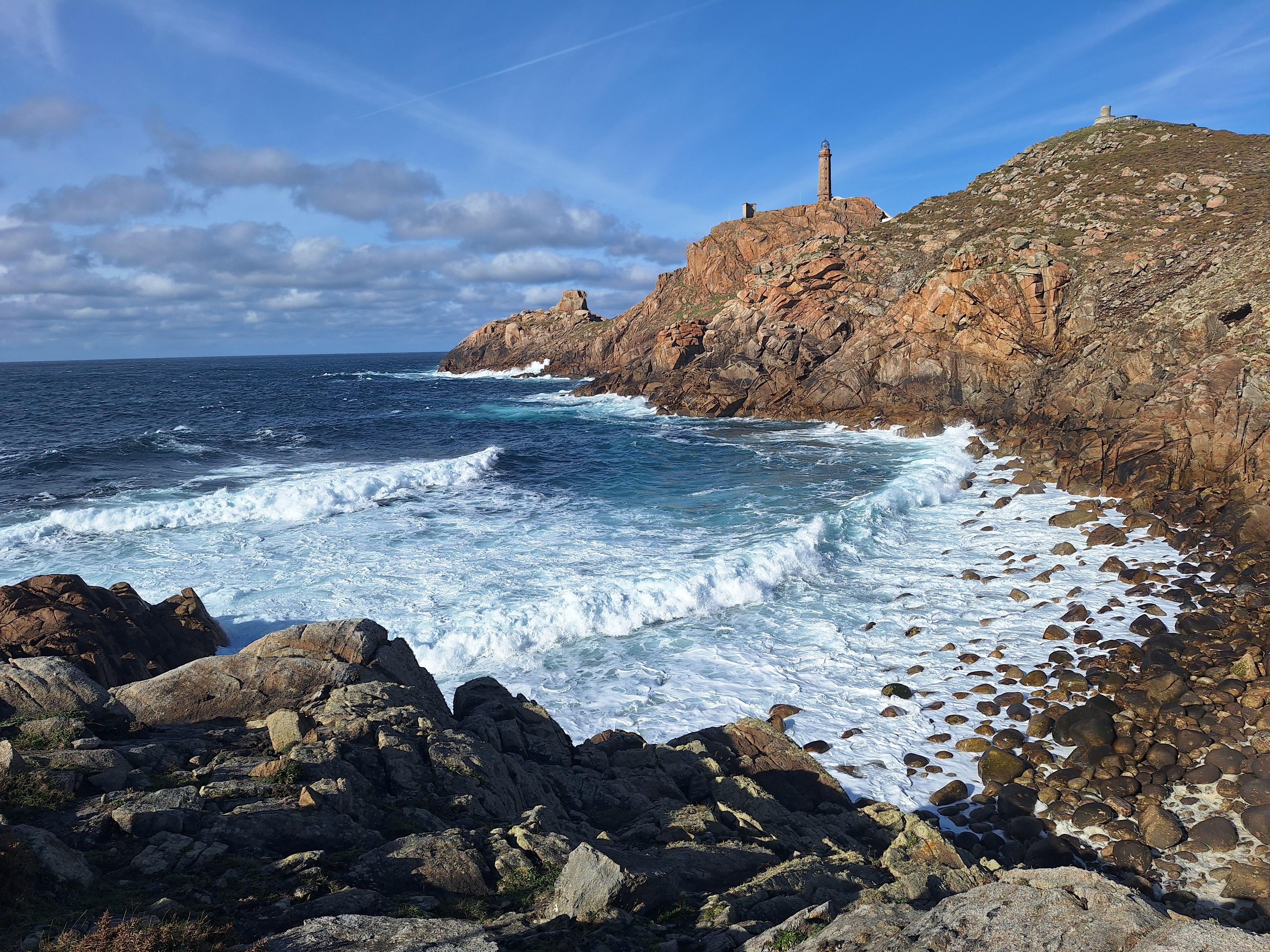
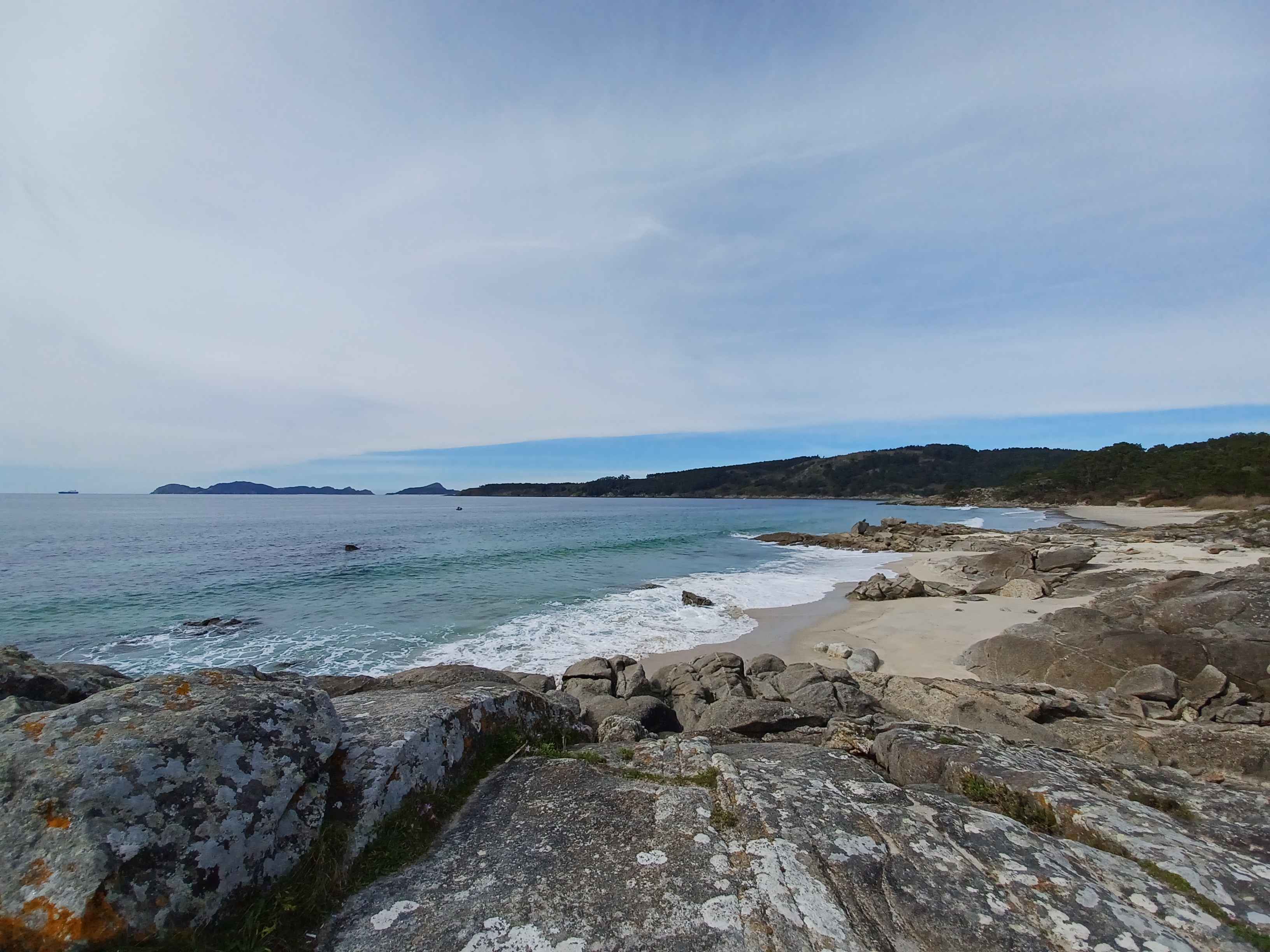
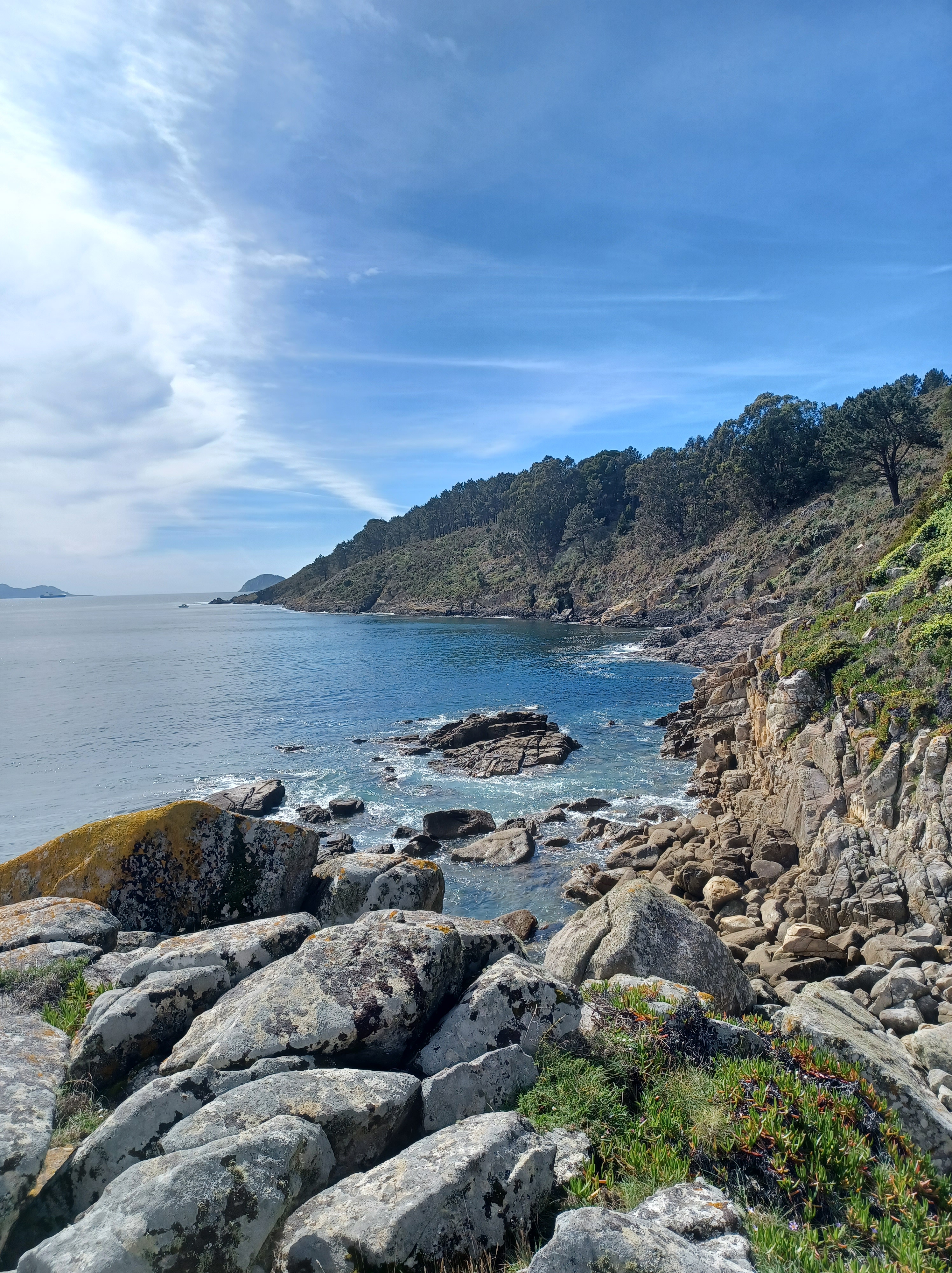
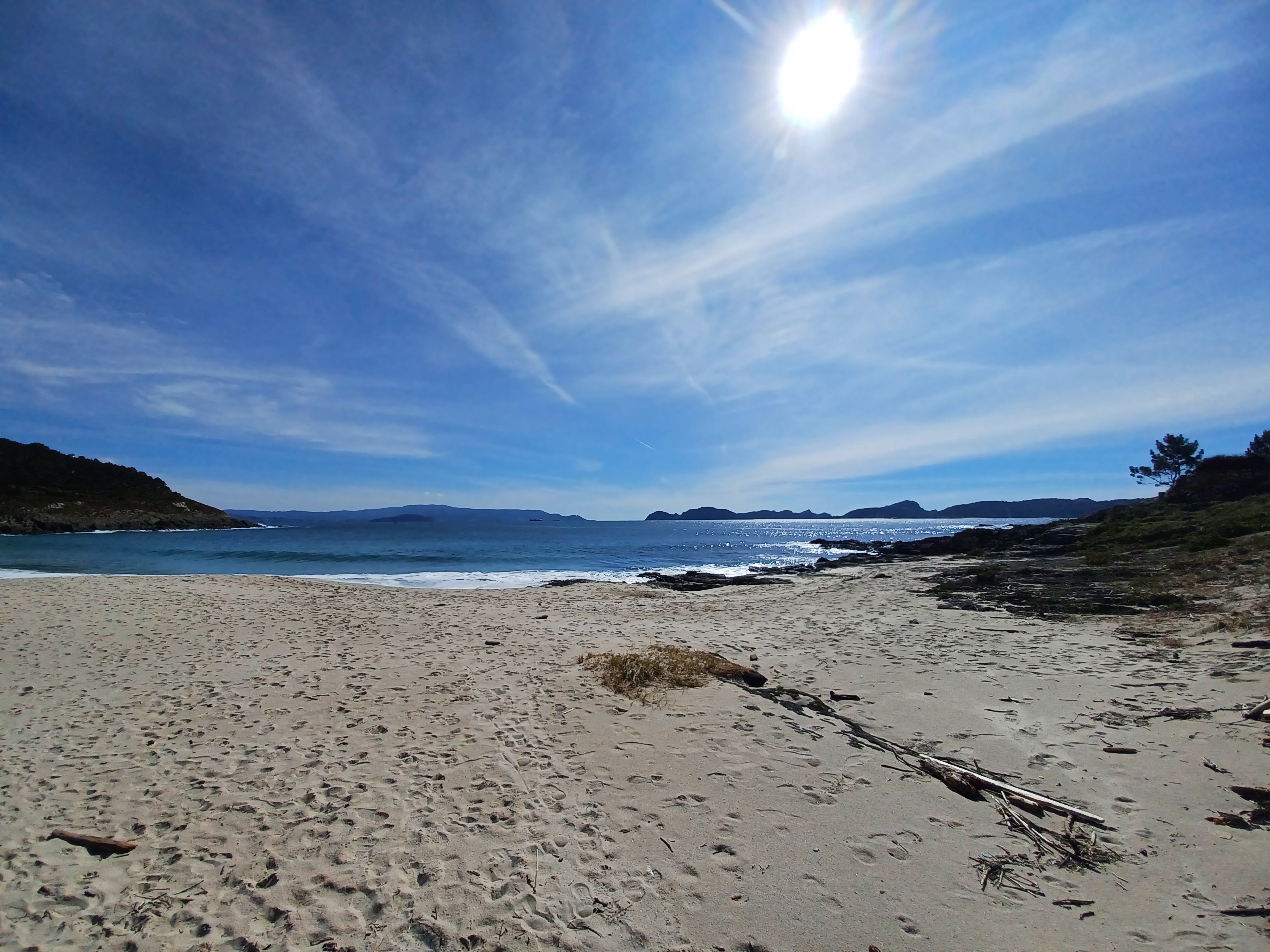
Walking here, you will see quickly how the Costa da Morte got its name. The way to the faro is just one stunning beach after another. The beaches are rocky and covered in debris from the fishing boats. The high winds and strong tides do not make for safe swimming.
It is more of a place to sit and listen to the sounds of the crashing waves. A place to meditate, make art, or maybe search among the rocks for treasures and driftwood. The force of the waves breaking against the boulders is just incredible.
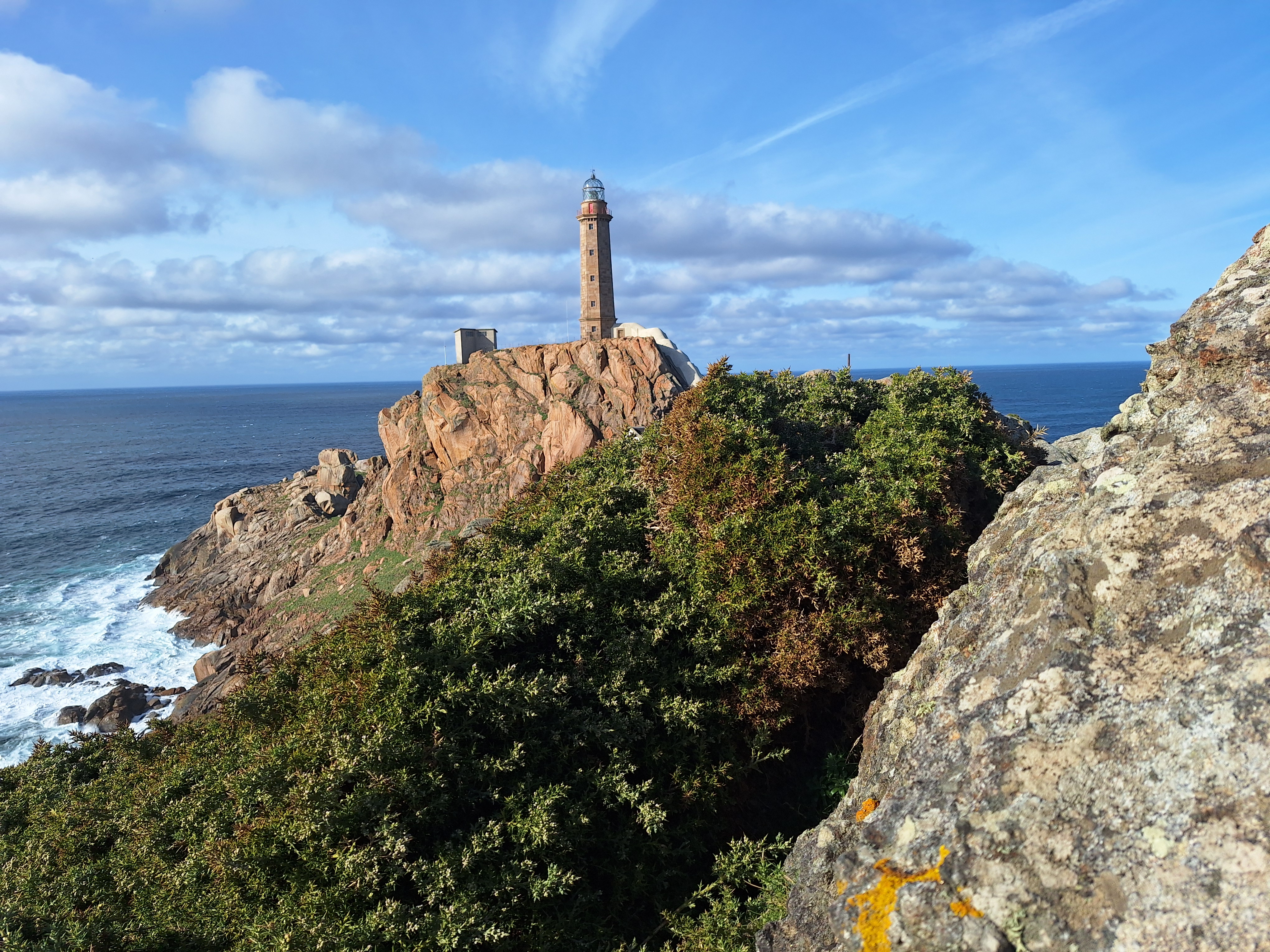
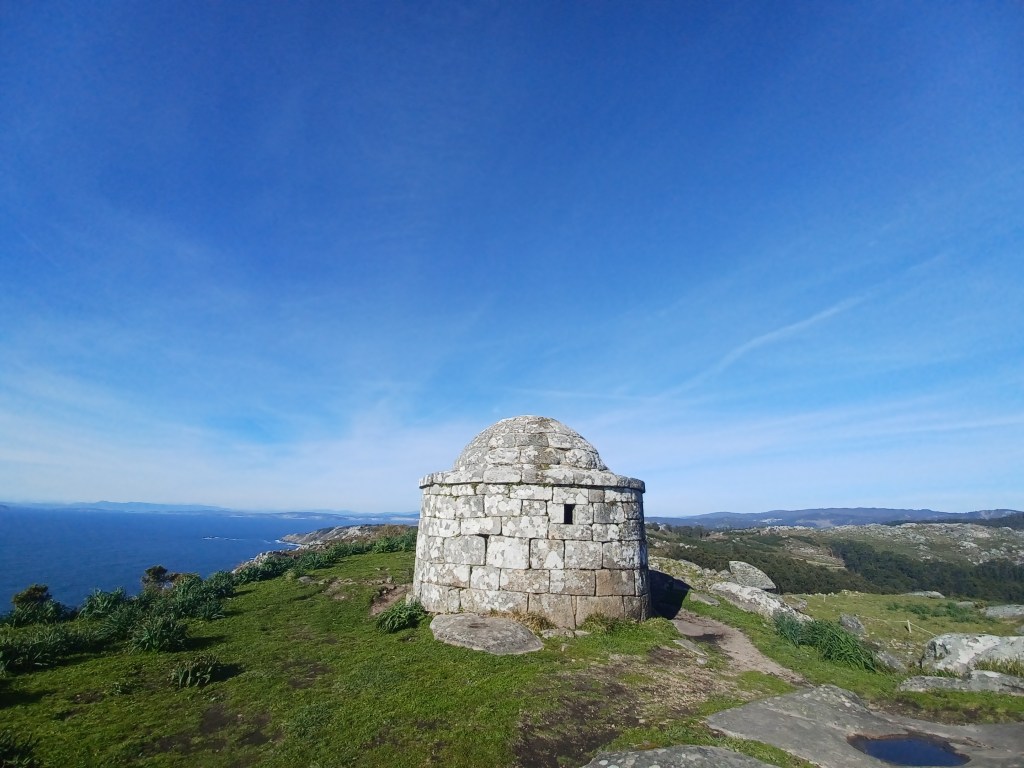
The faro de Cabo Vilan has a special history. It is the oldest electric light house in Spain. And it was also kept by Cristina Fernández. She was the second farera (female light house keeper) and also the last woman to work as a farera in Spain.
Once you make the climb to the lighthouse, it is even windier! This is my second trip here, and both times I was nervous to make the end of the path because of the wind.
If it is not too busy, and you are lucky enough to have the lighthouse to yourself, there is a nice place to sit and take lunch that overlooks the next beach. A small ledge blocks the wind and it is mostly enclosed by boulders.
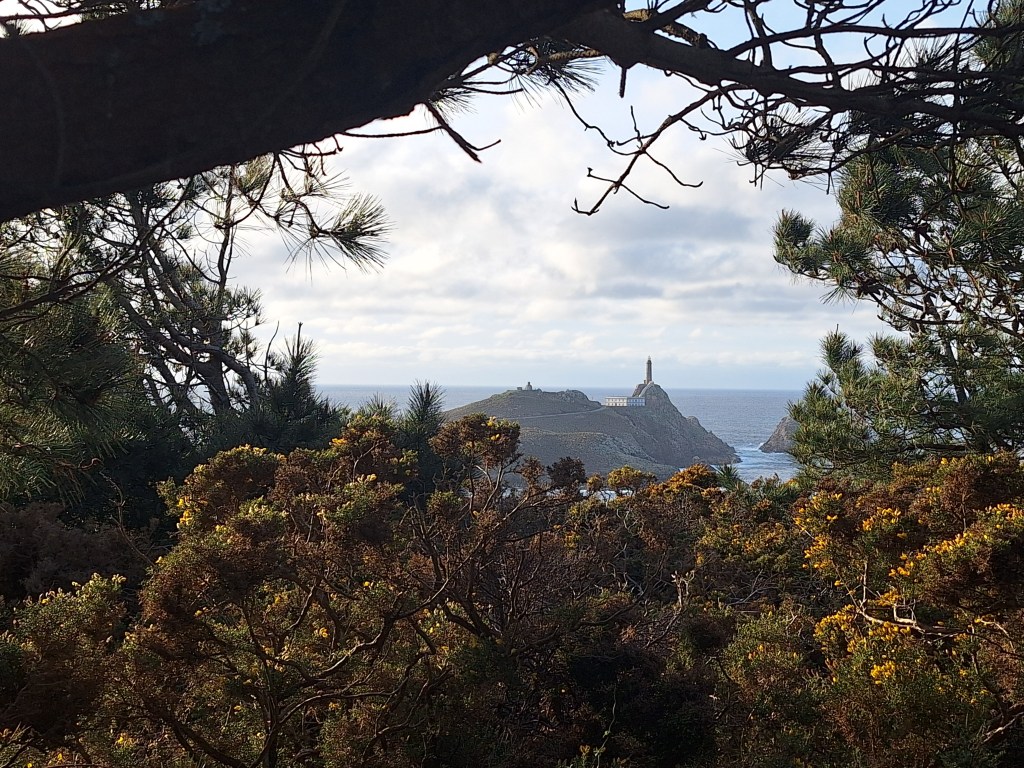
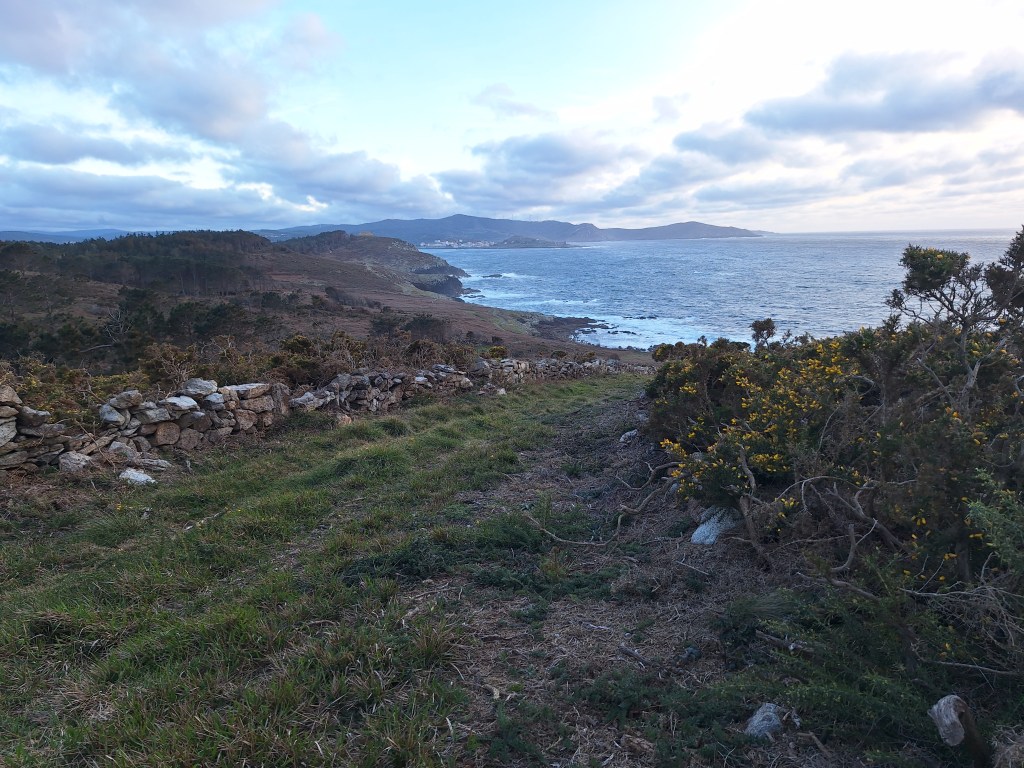
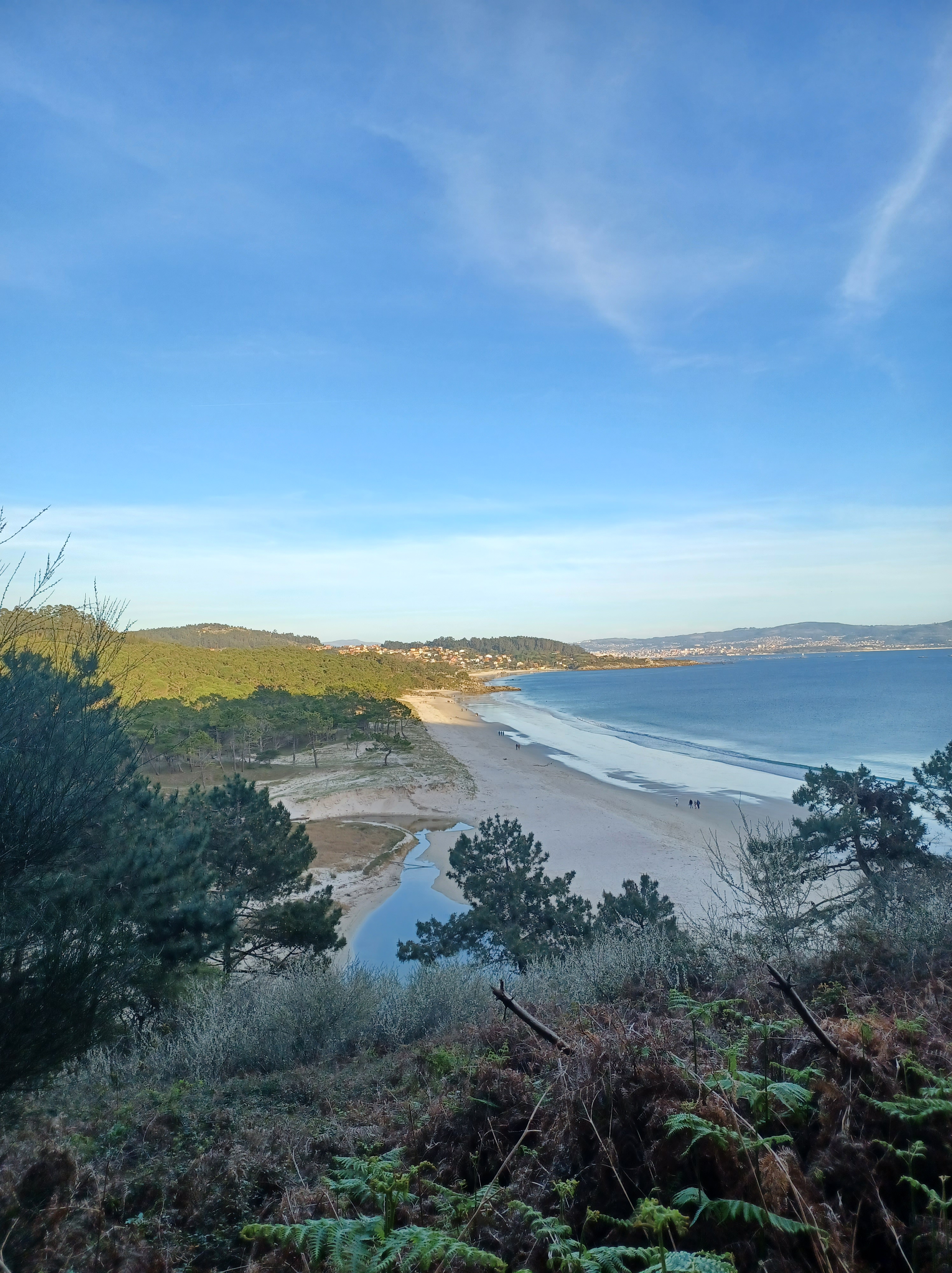
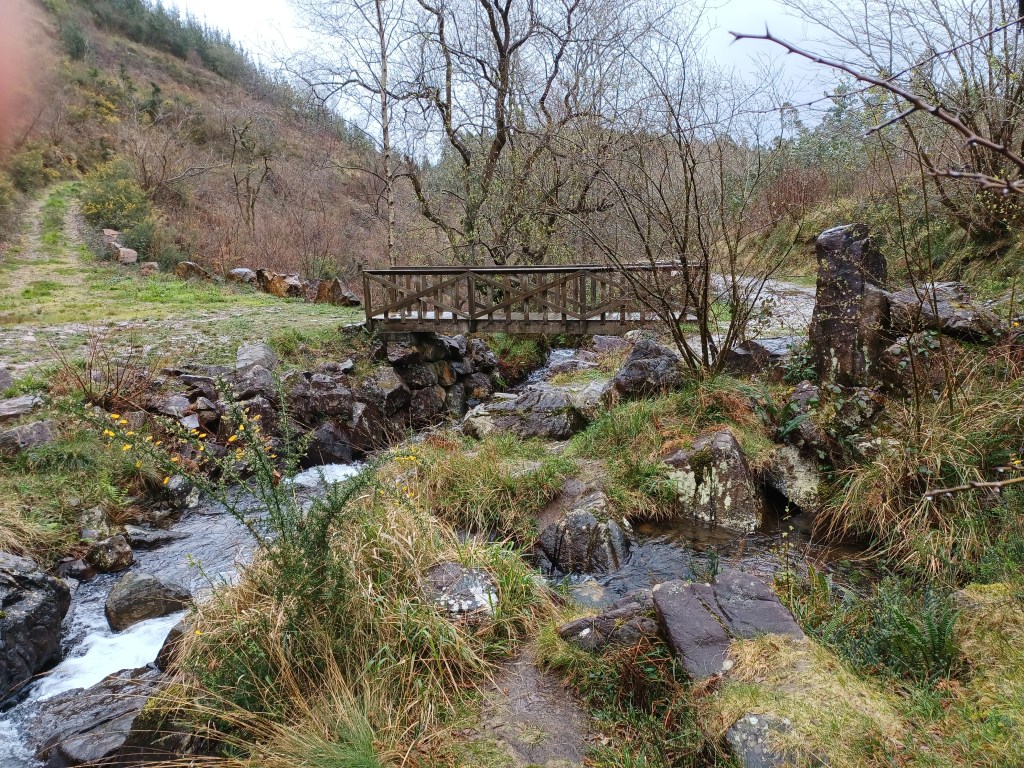
I continued the path down the coast a little ways until it circled back through the forest.
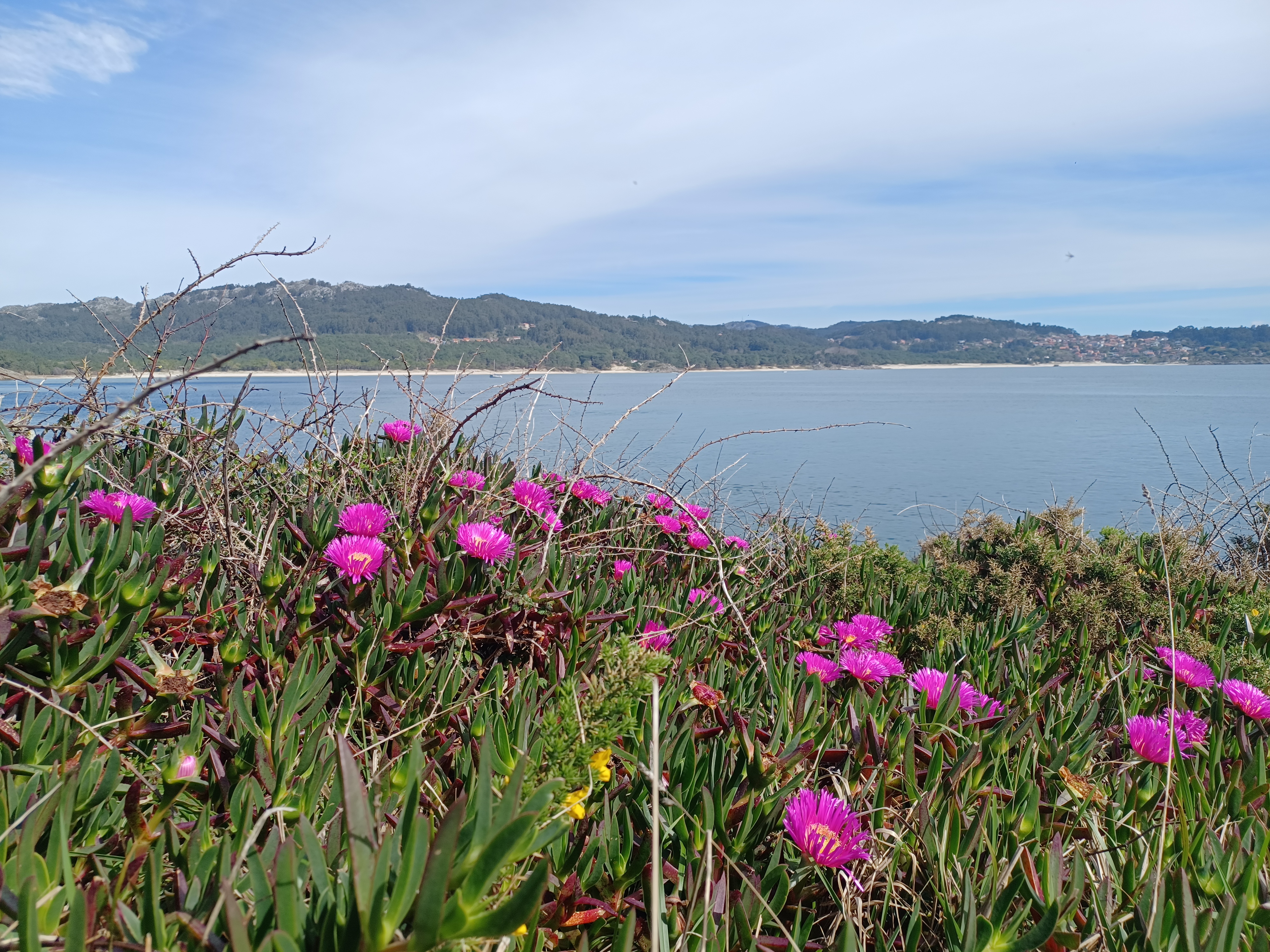
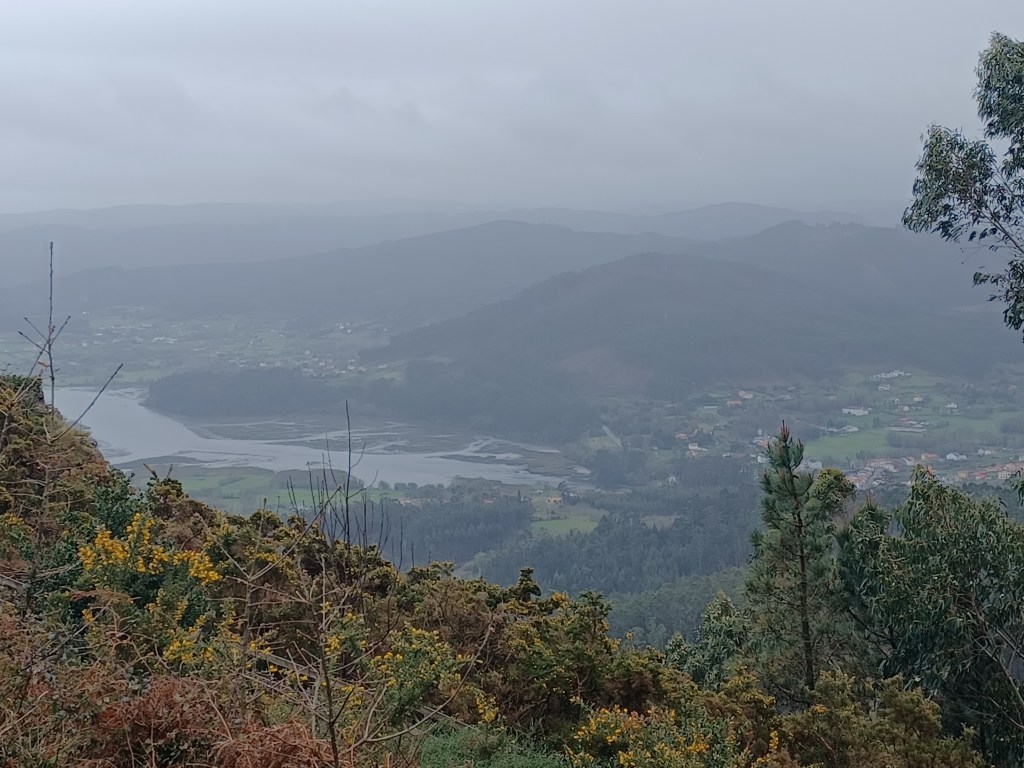
And the view from the forest.
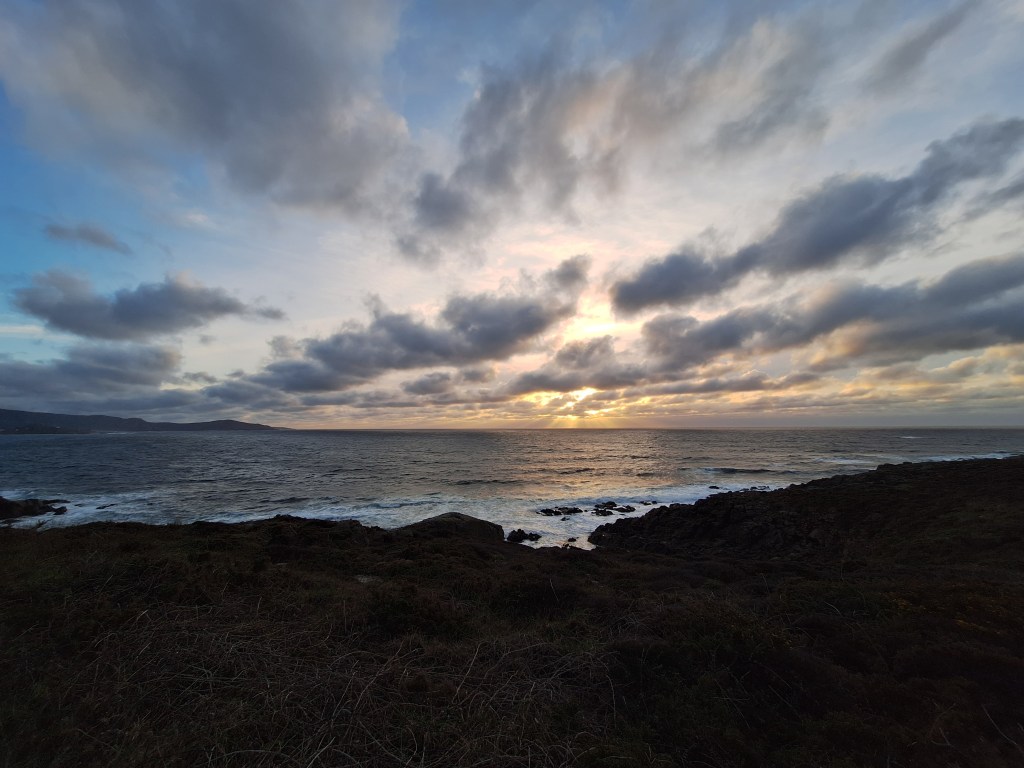
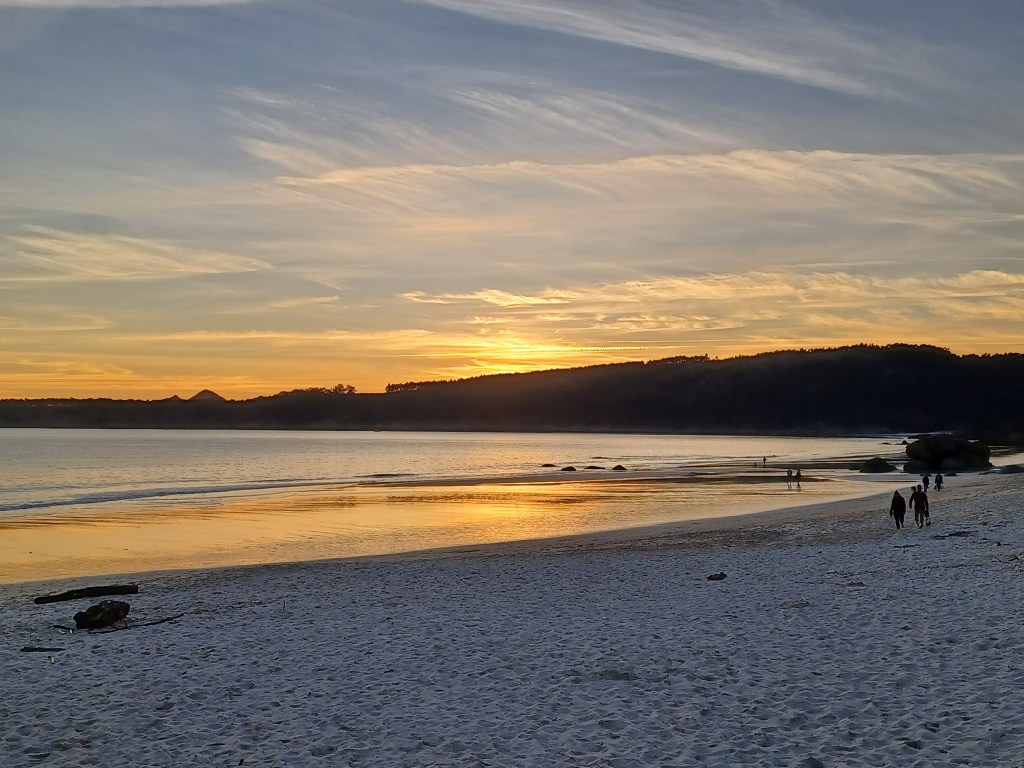
The path circled back down to the main road, and I decided to go all the way down for the path nearest the sea to try to catch the sunset.
There was significant cloud cover, so the sunset came above the horizon line, but beautiful all the same.
All in all it was a little over 10km from the parking to the sea, to the lighthouse, to the mountaintop, to the sea, and back to the parking.
This was a very rainy winter day in Galicia. The wind was a bit crazy so we made a bunch of short stops without a lot of walking.
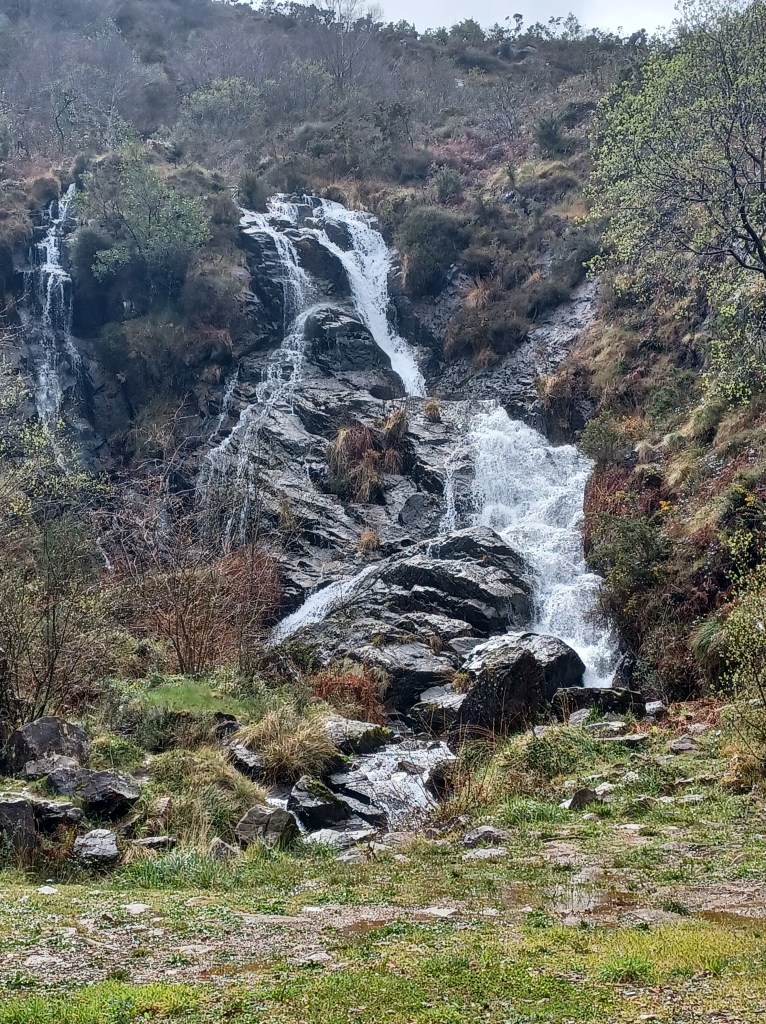
Fervenza da Noveria
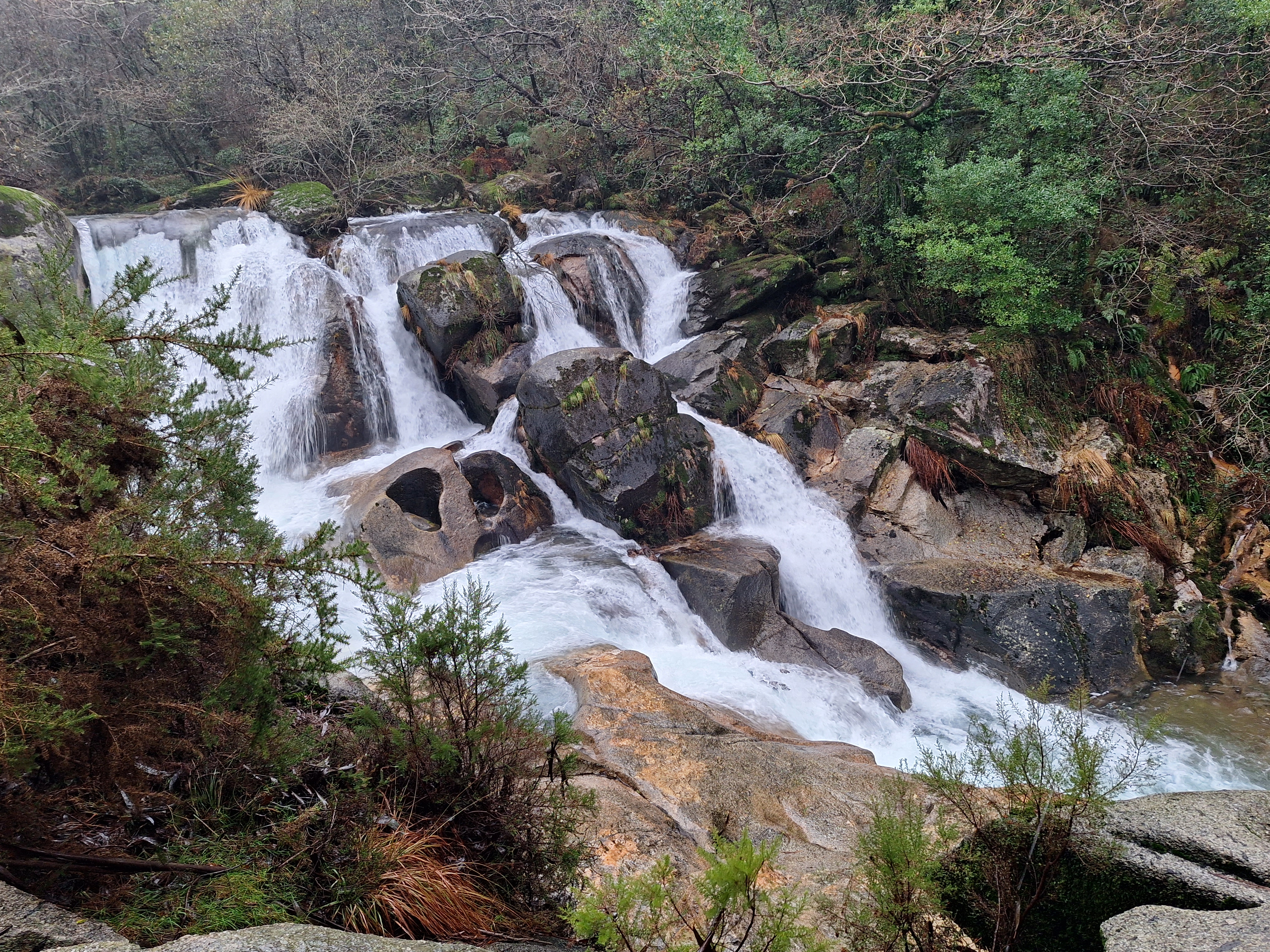
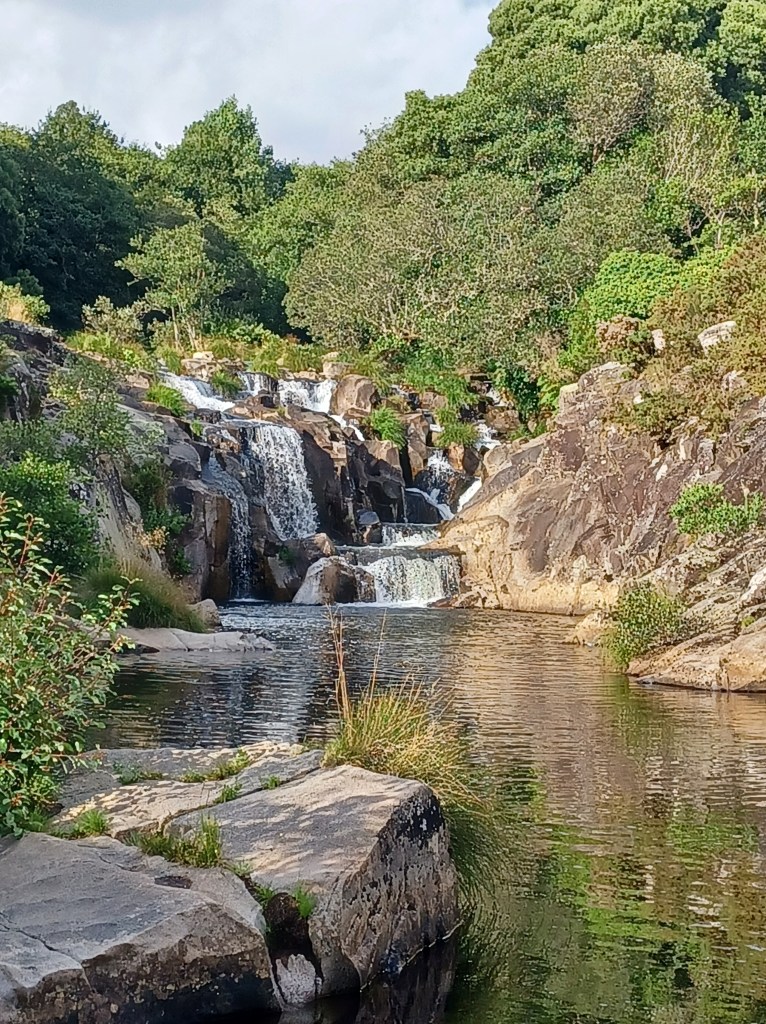
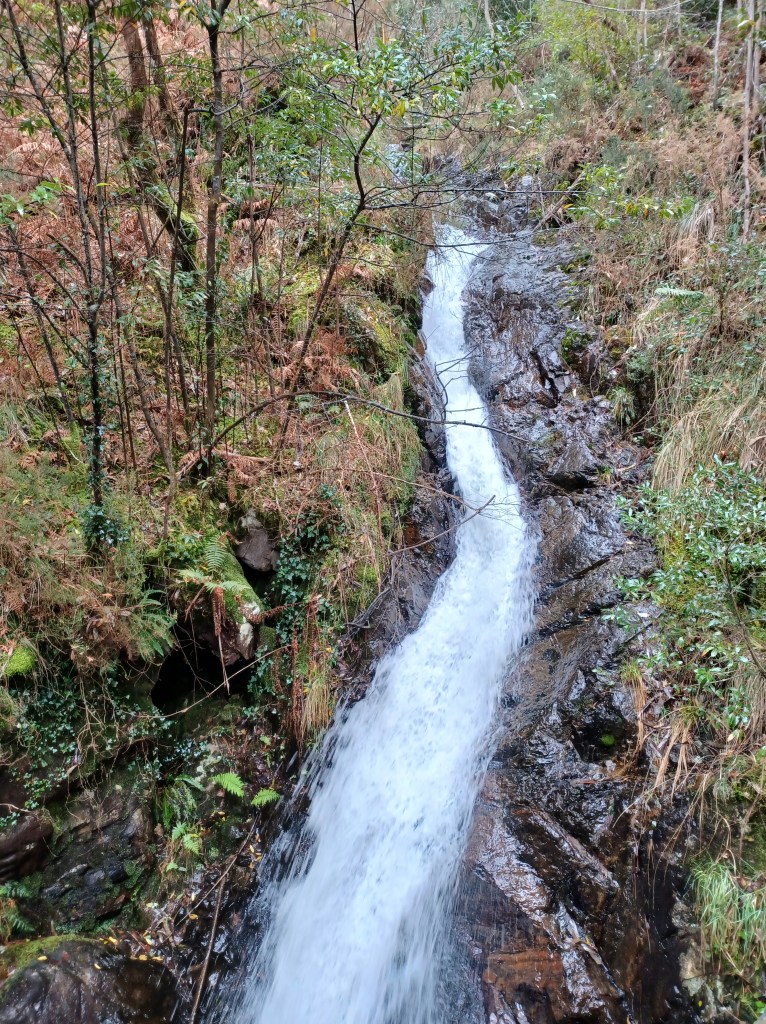
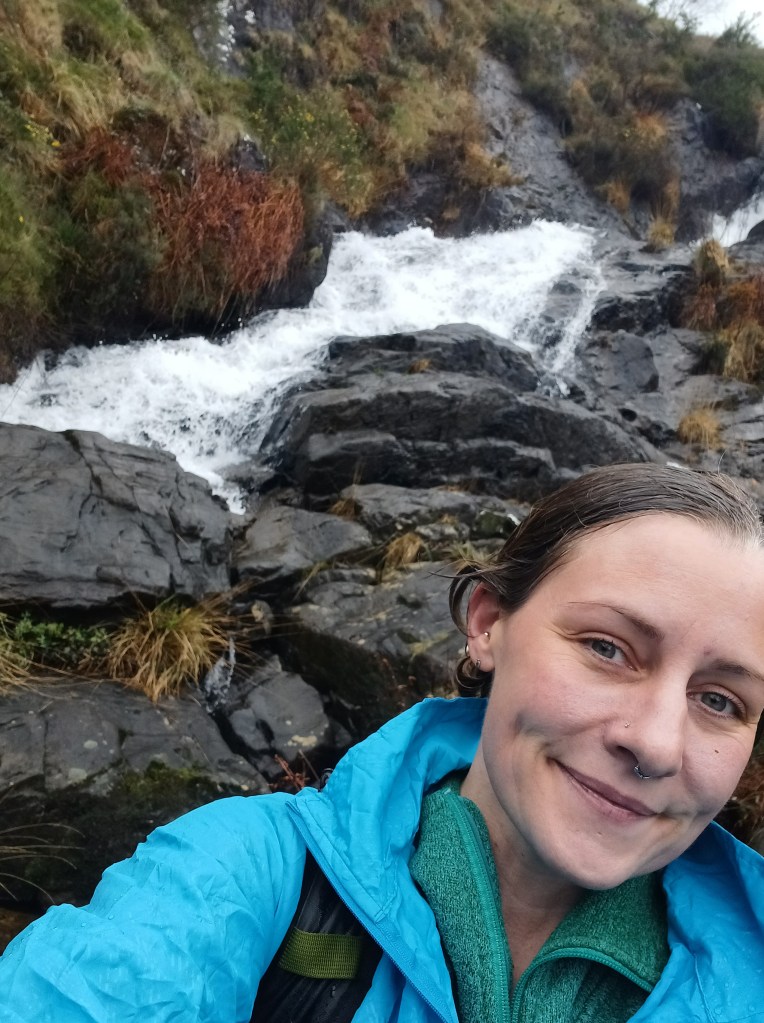
Fervenza de A Noveira is in the Comarca do Xallas, Mazaricos. This is a very short walk to an incredible view of the falls.
Ezaro
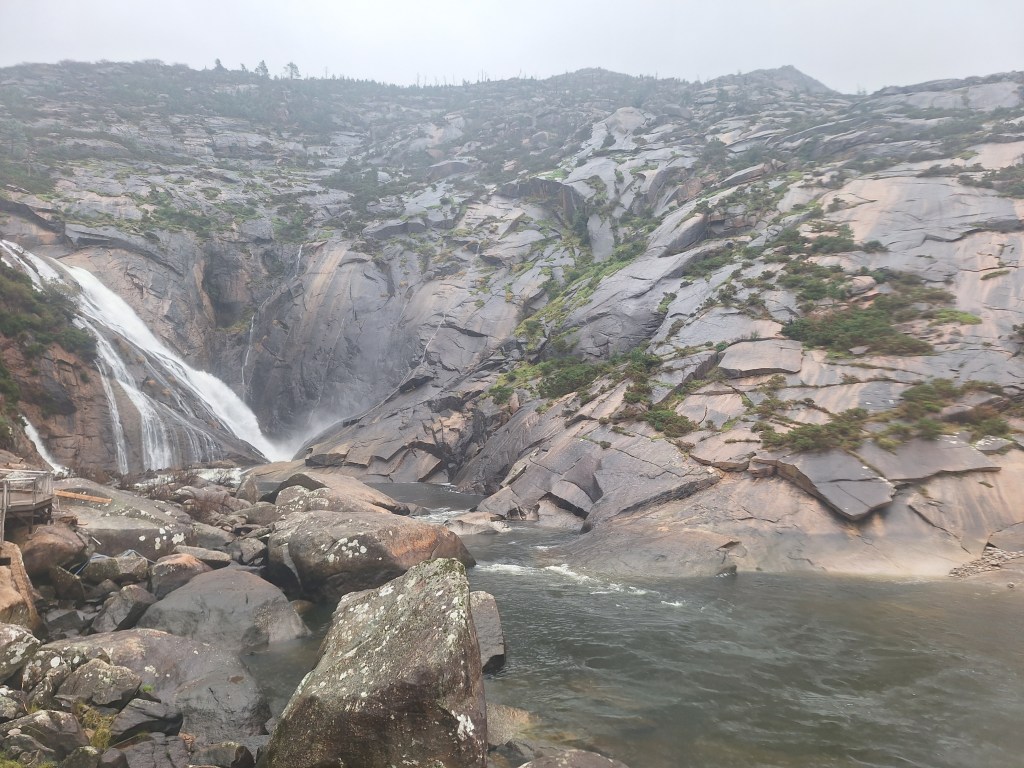
Ezaro is a beautiful pueblo in Galicia. In summer it is home to a swimming competition at the end of summer. The swimmers start in the sea and swim to the pueblo near the waterfall. There was so much wind this day, we struggled to make the boardwalk for this photo. It felt like such an accomplishment that we took a cake and a coffee in a nearby cafe to celebrate.
Hidroelectrico de Rio Tambre
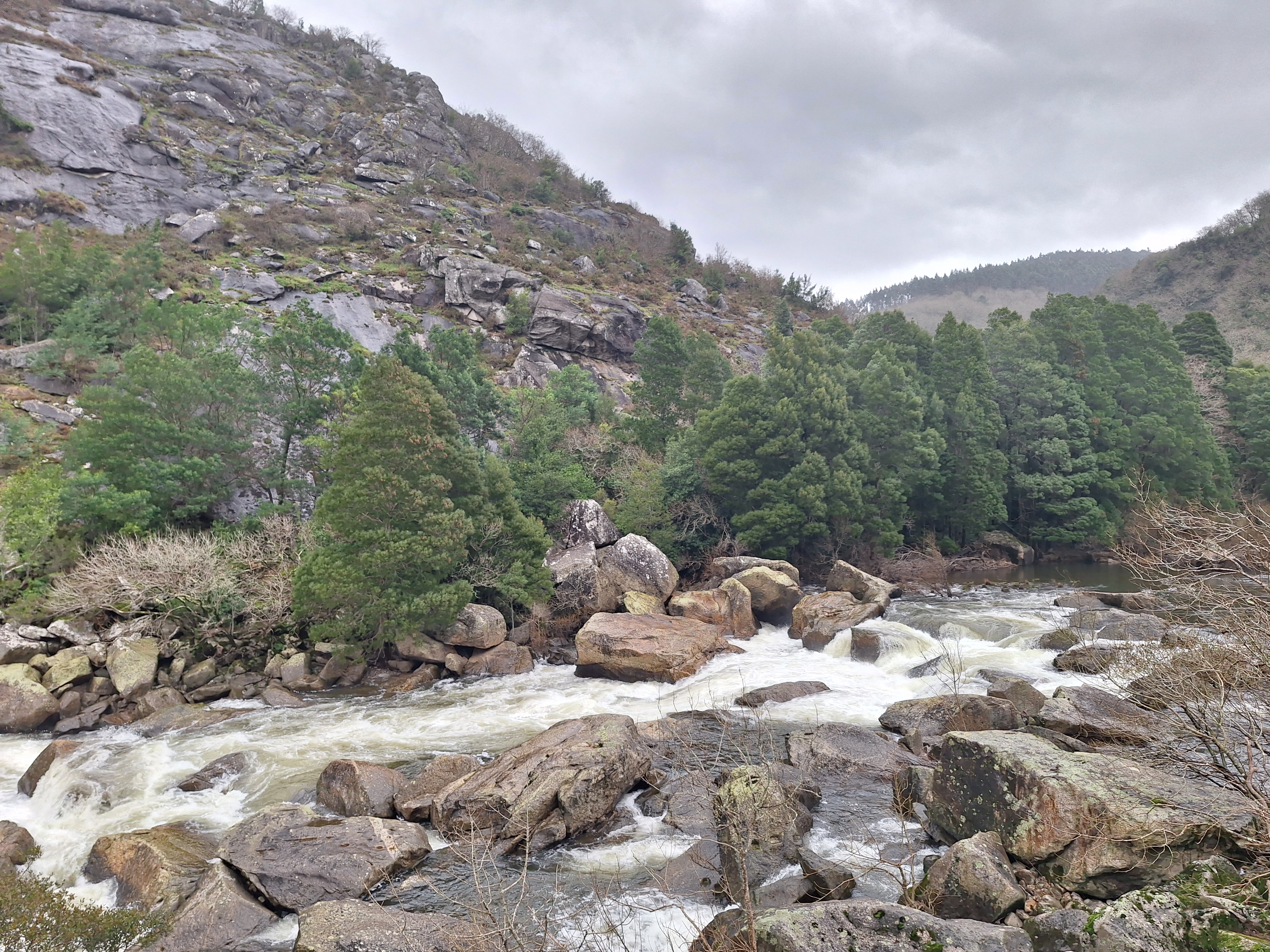
This path was more enclosed and the hills to either side blocked the wind so we took a little hike at this stop.
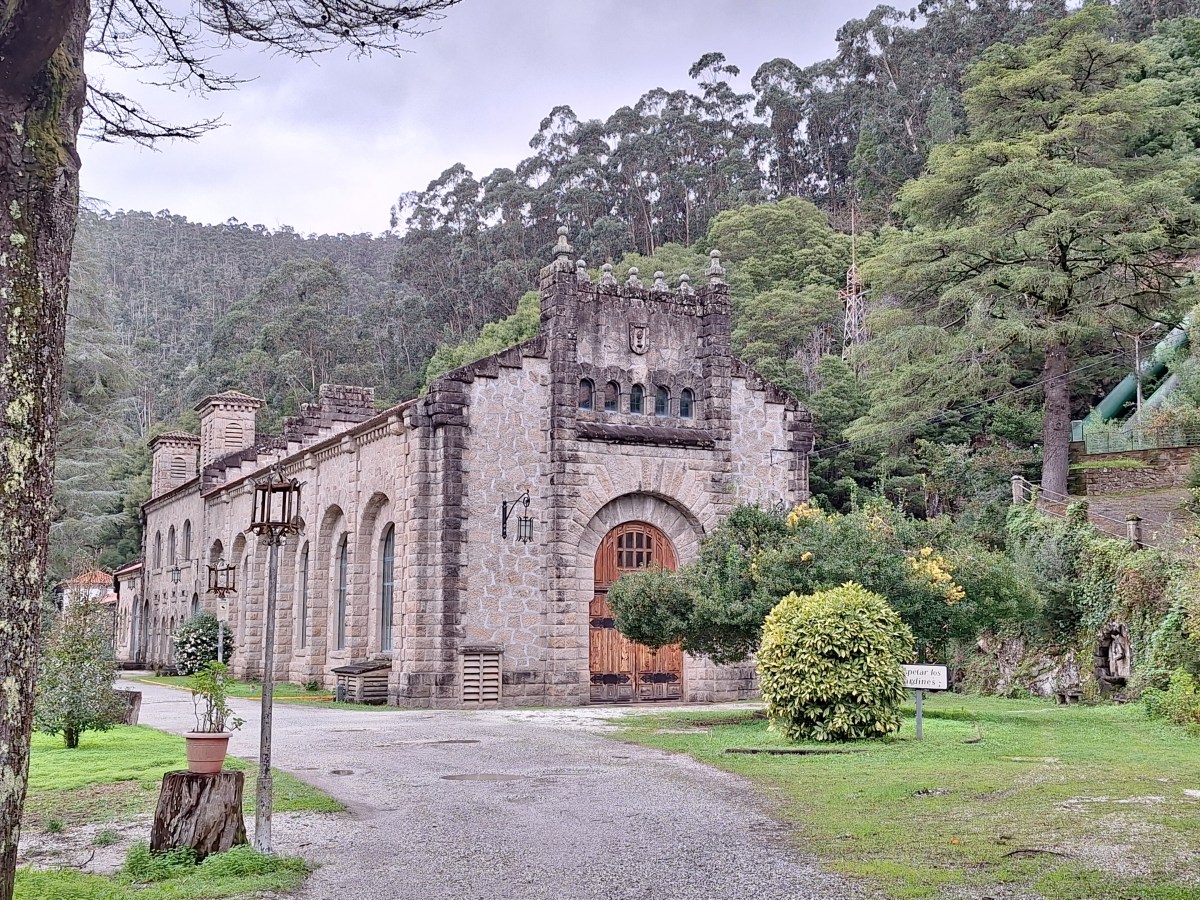
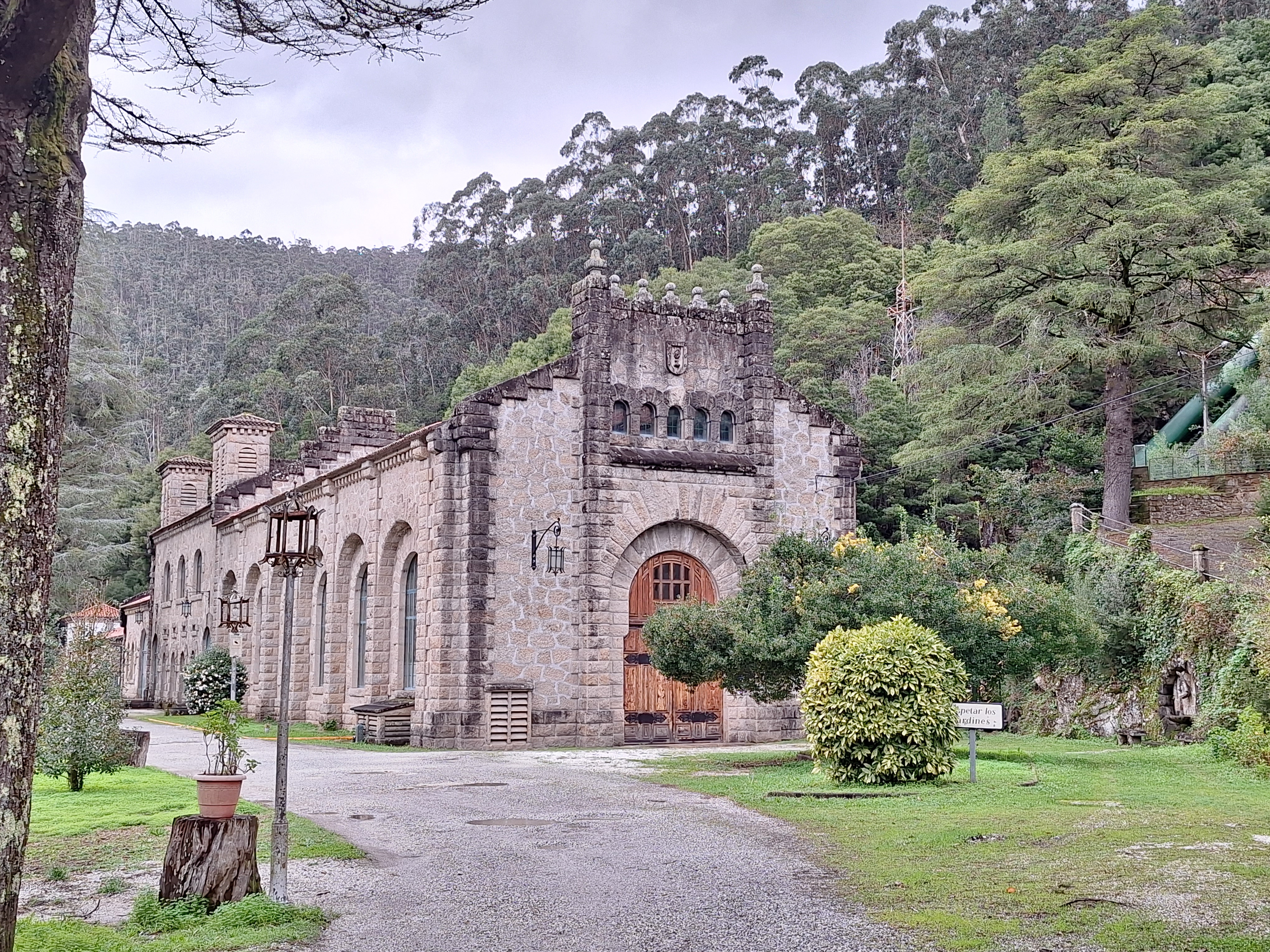
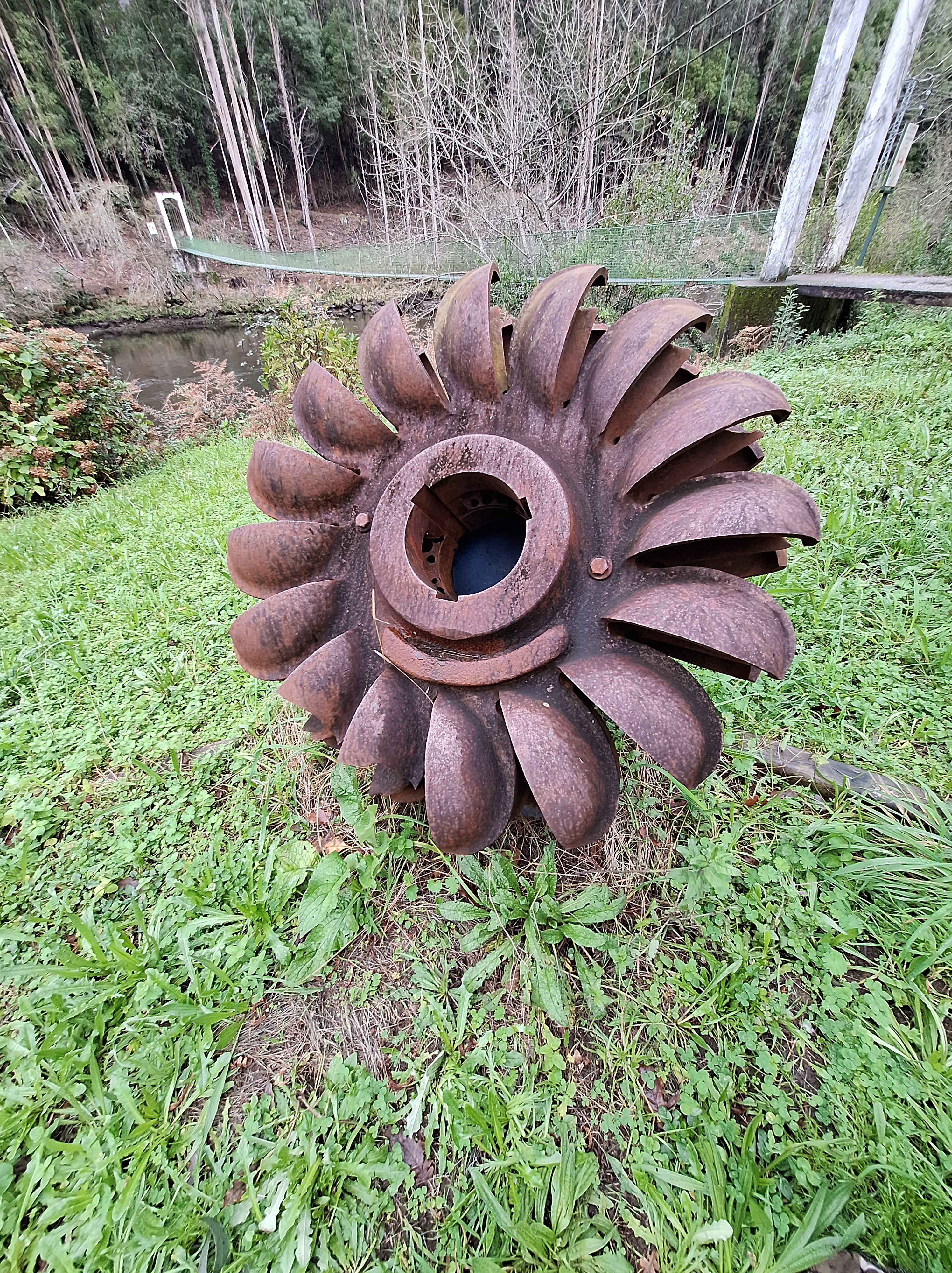
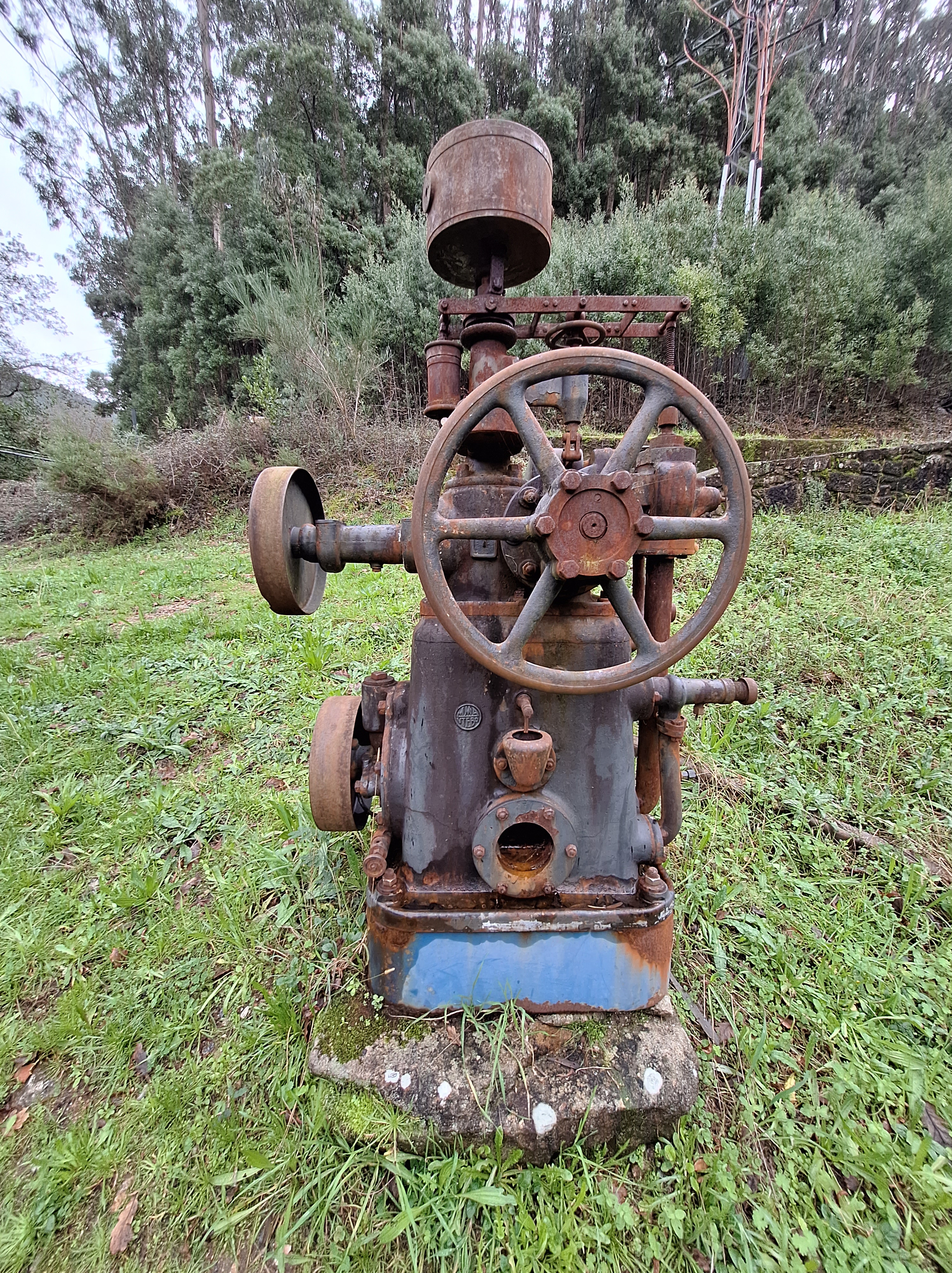
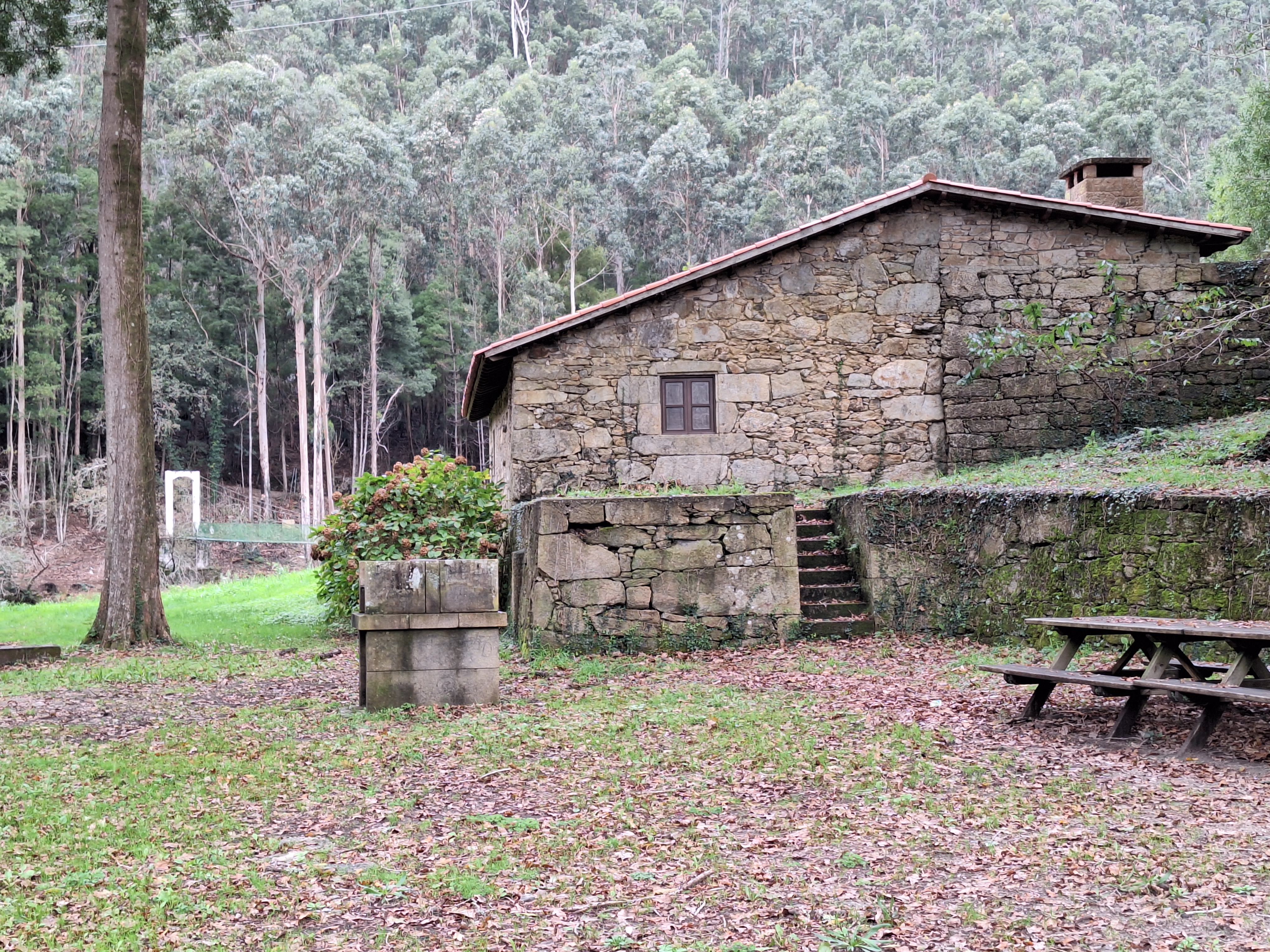
The Hidroelectrico de Rio Tambre was built by architect Antonio Palacios and finished in 1926. Outside there are sculptures and examples of the antique machinery that were once employed here.
There is a 7-8km hiking trail that runs along the river. The first half was a pretty easy trail, but we did not finish so I don’t know for the rest. Wikiloc has the route here marked as moderate.
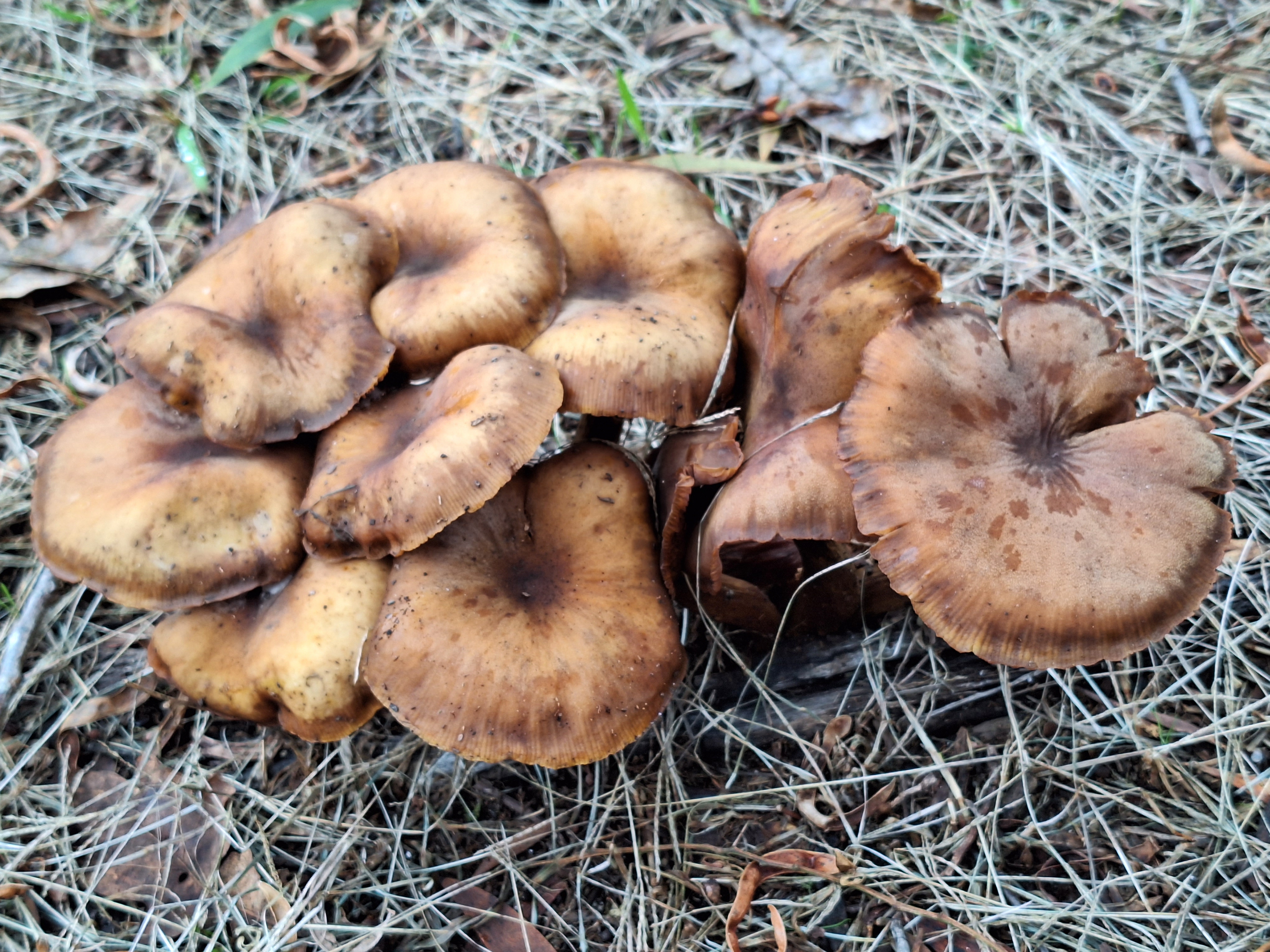
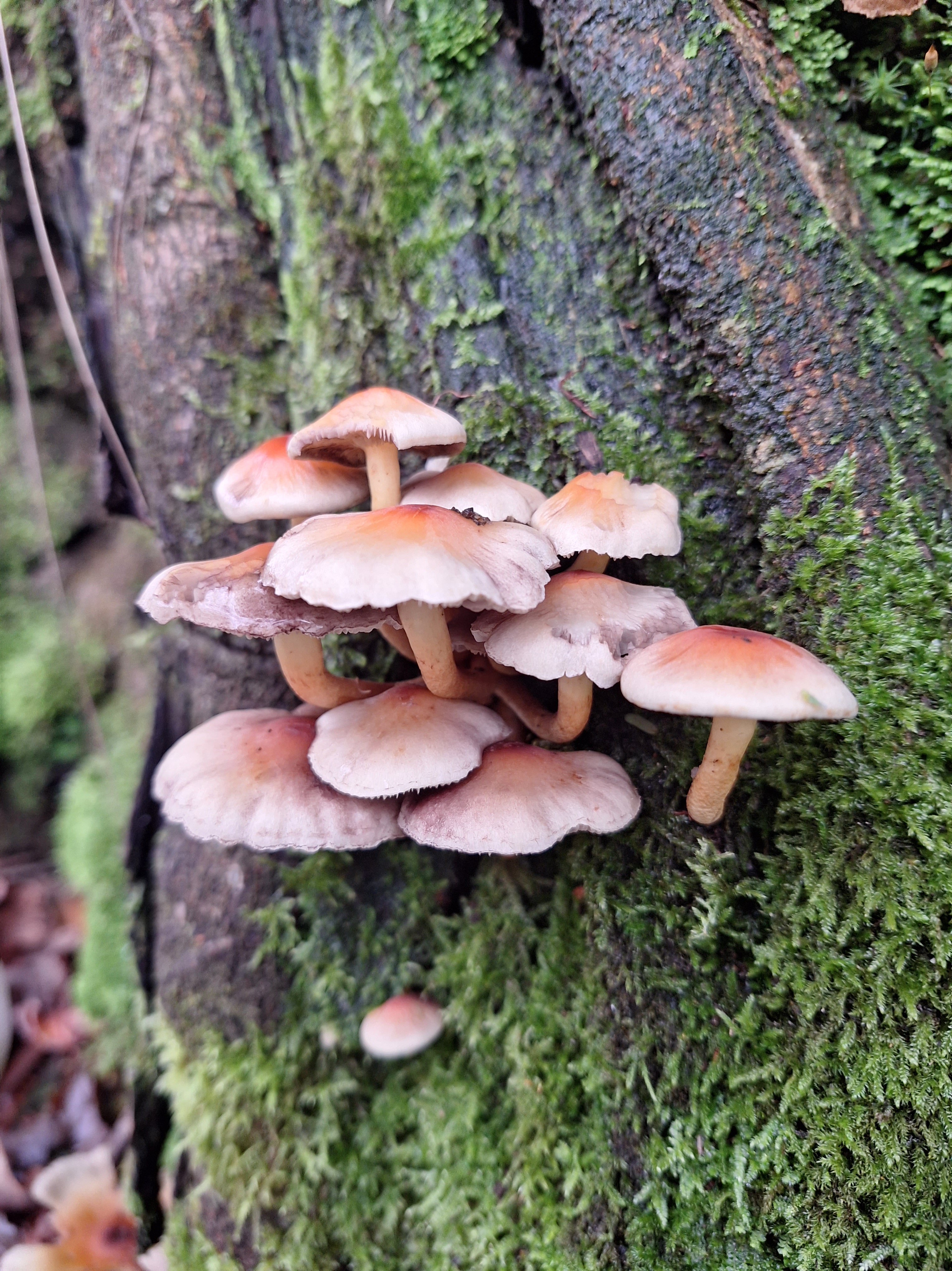
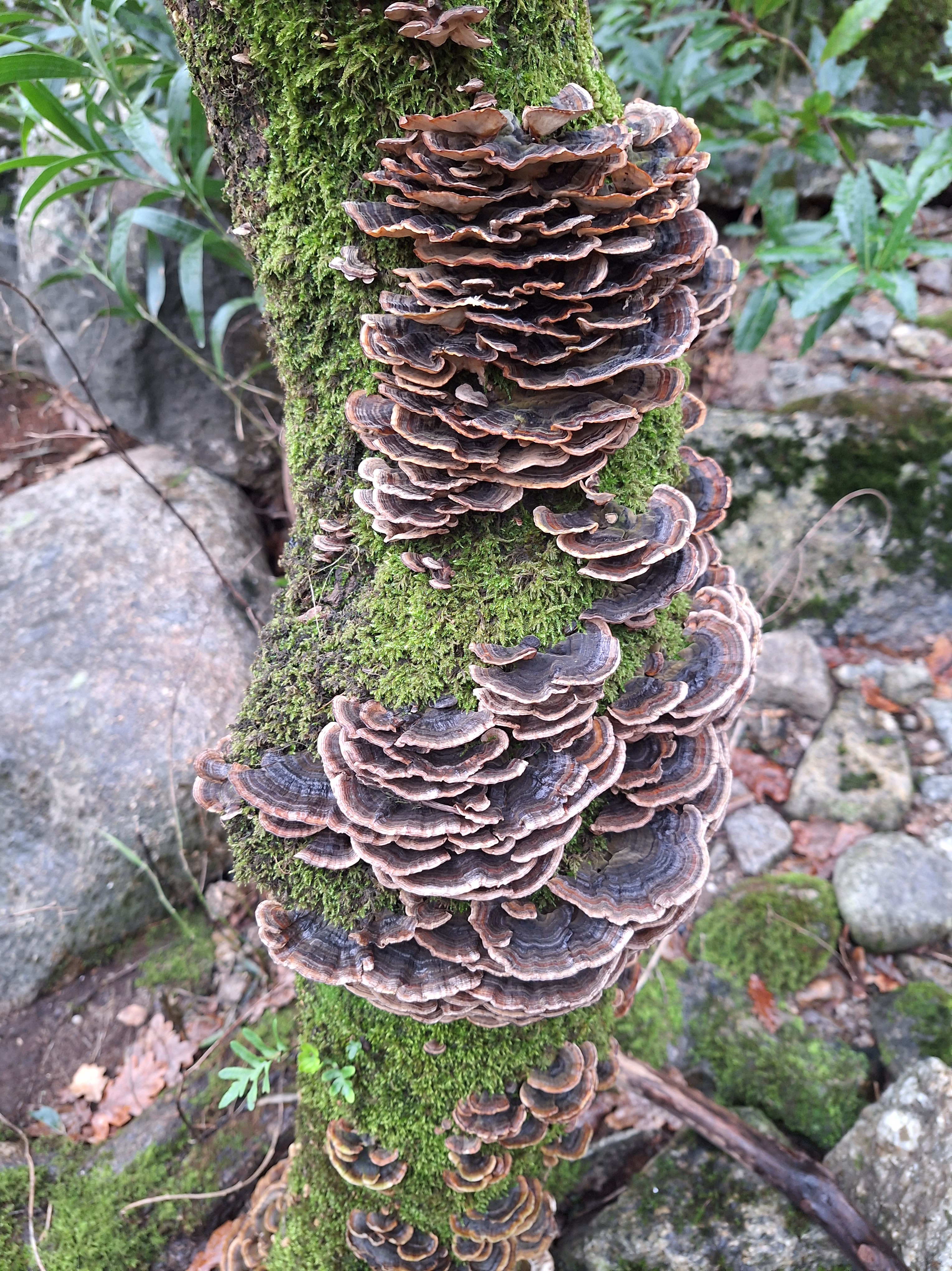
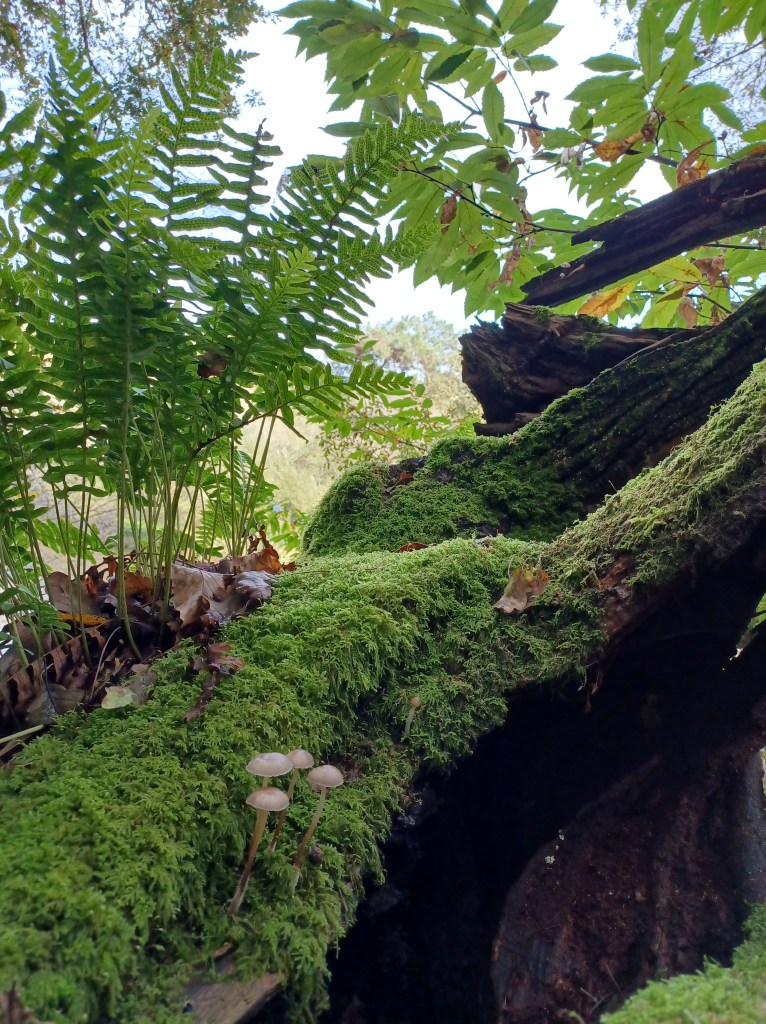
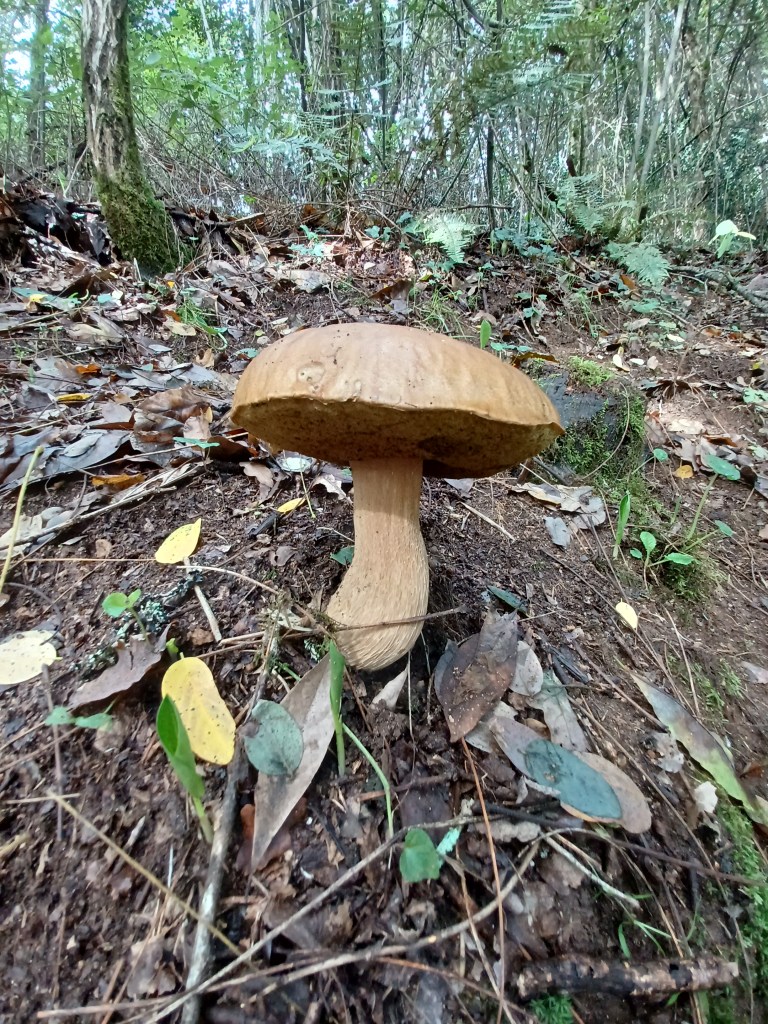
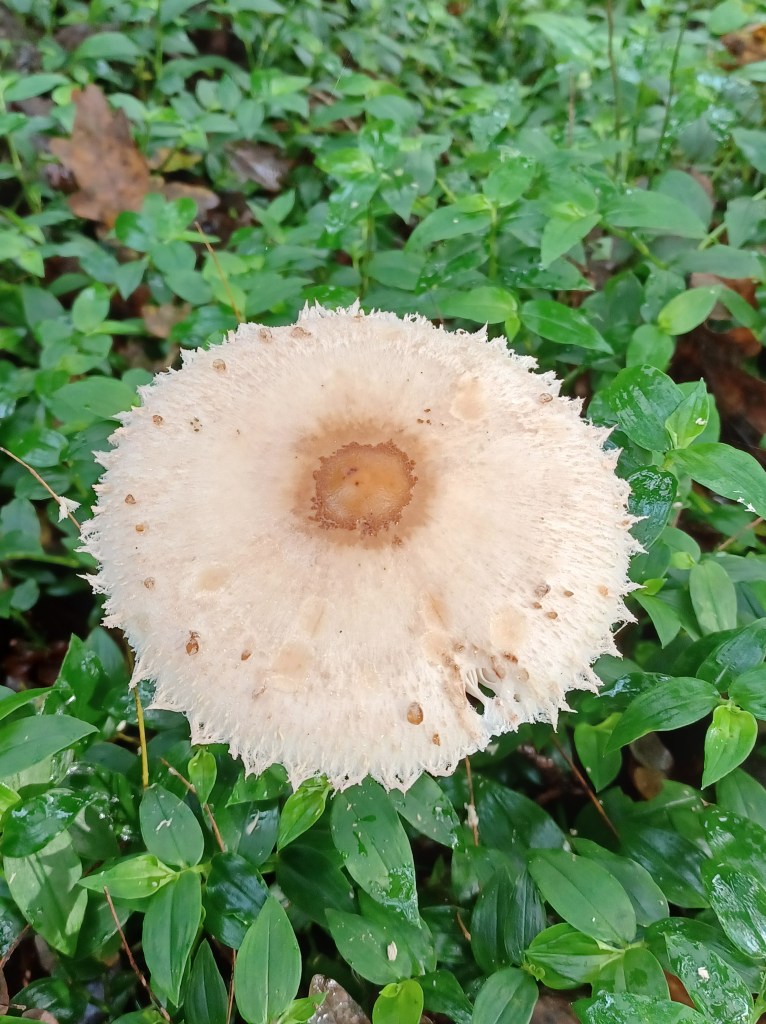
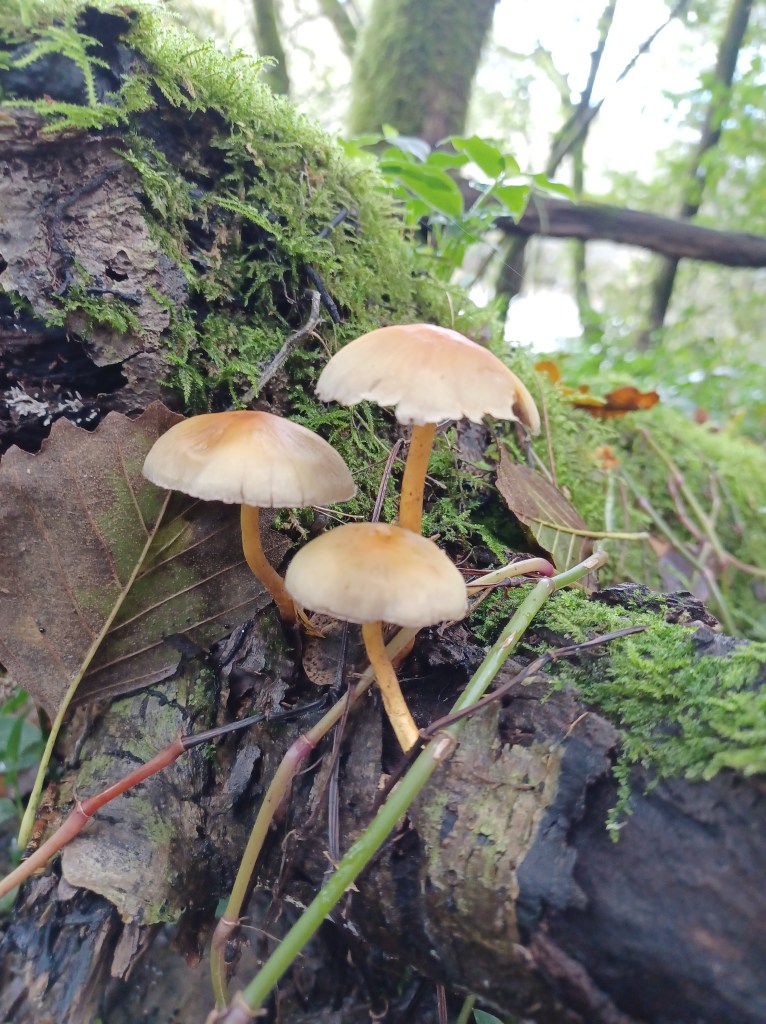
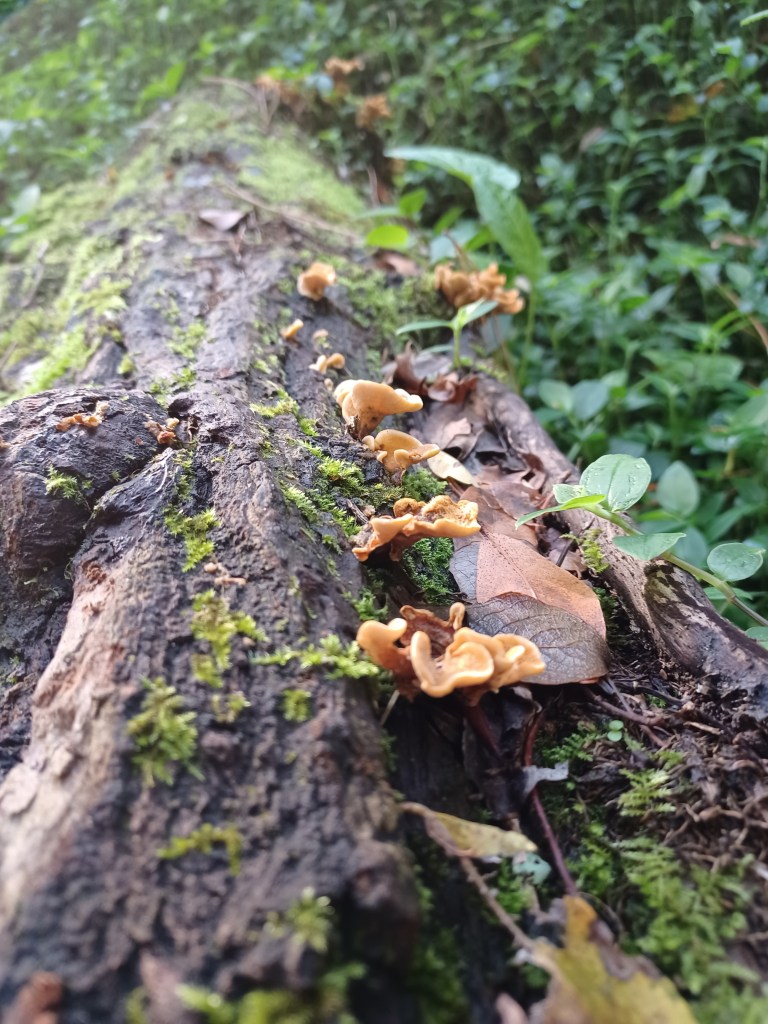
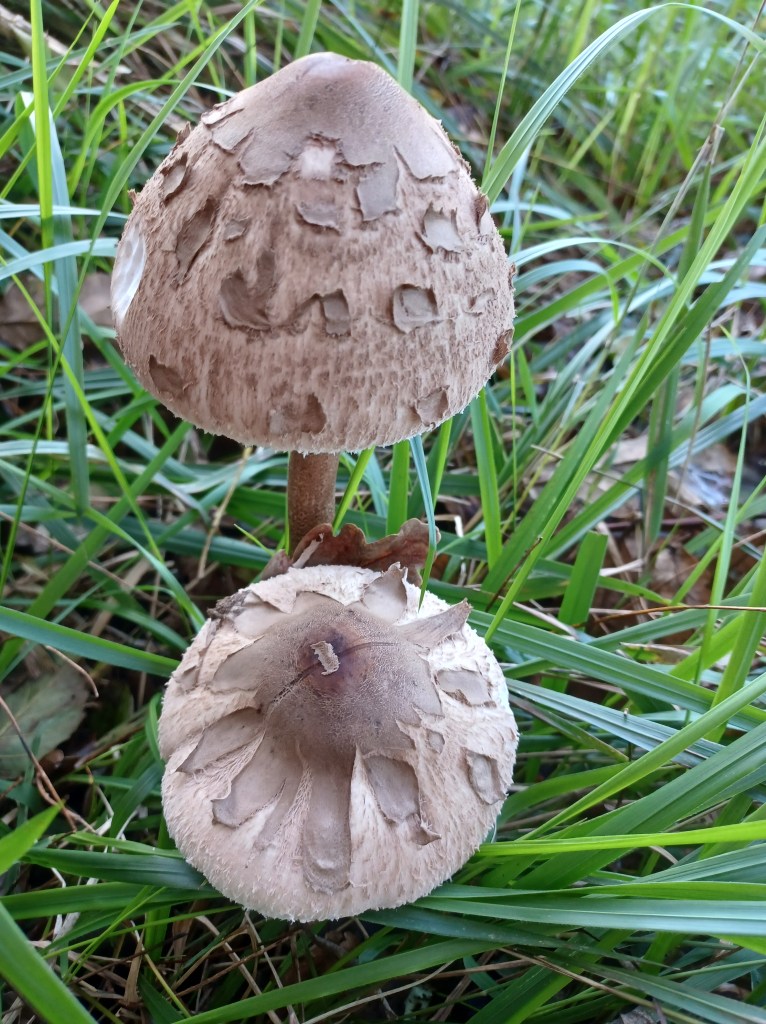
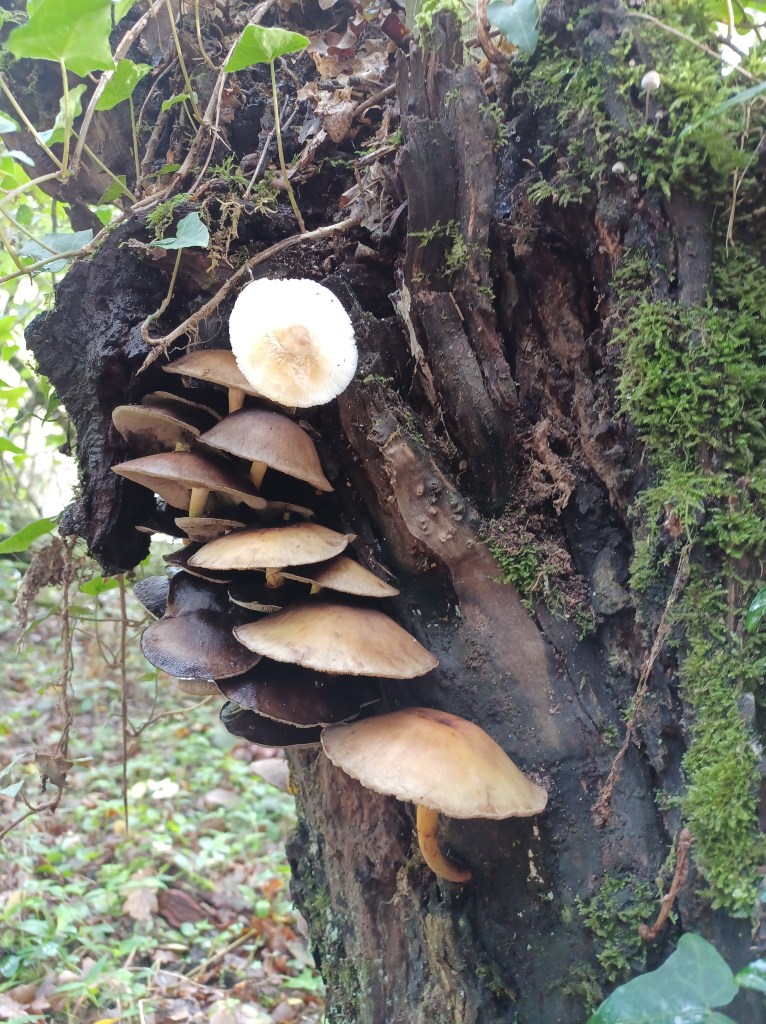
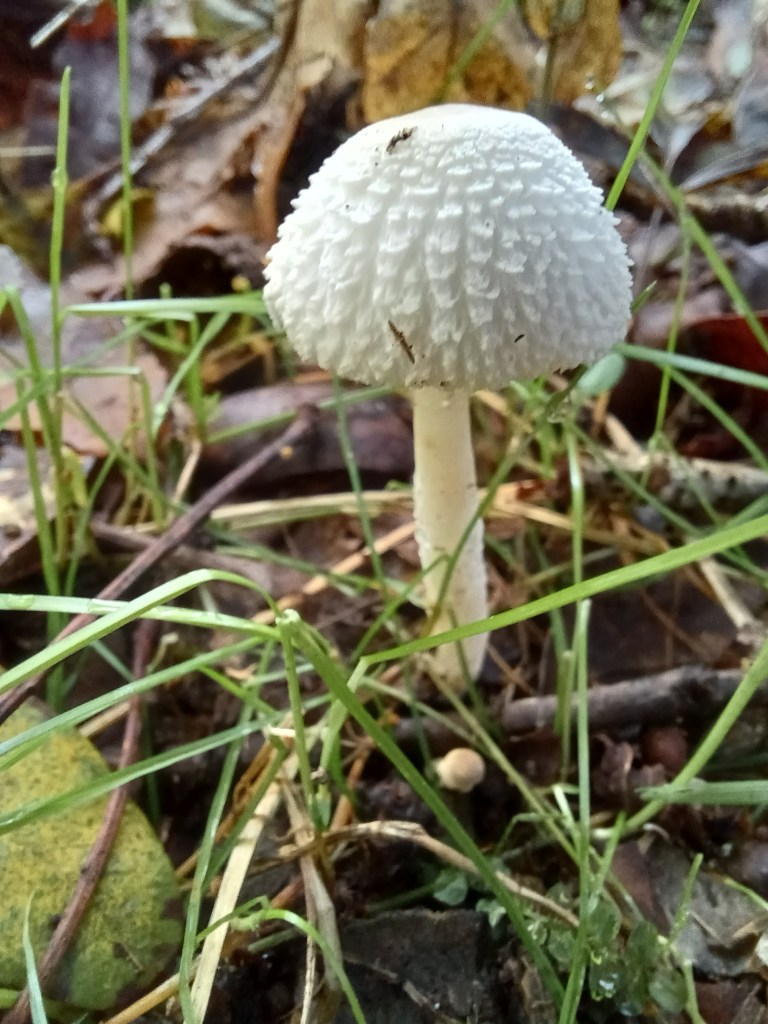
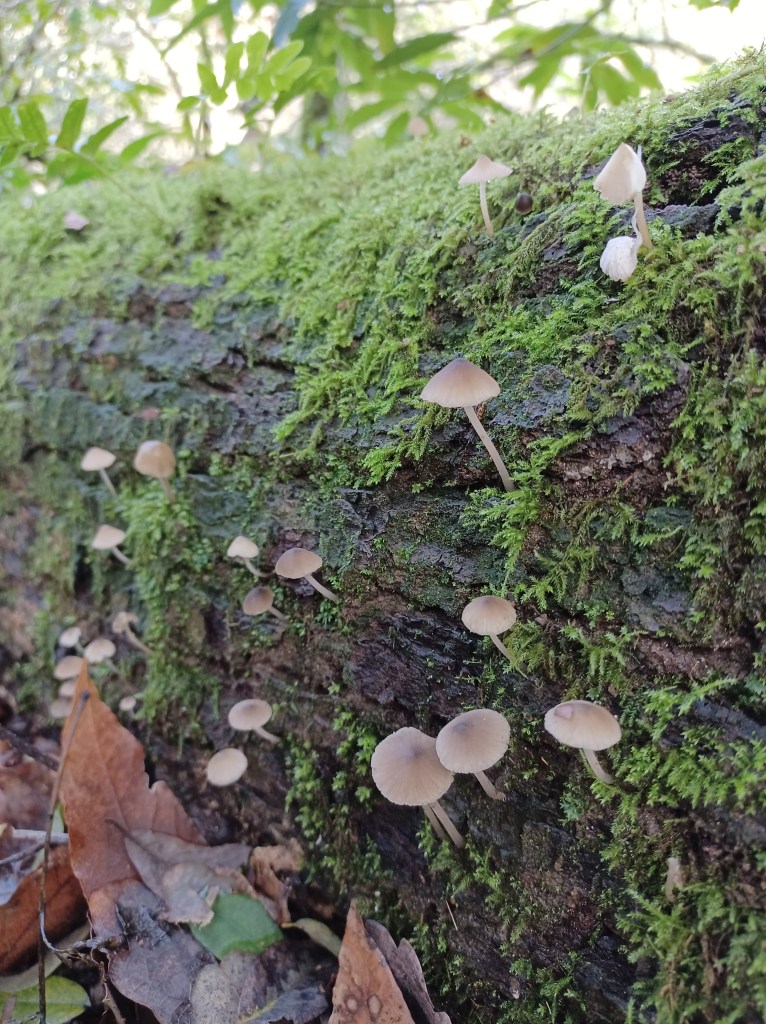
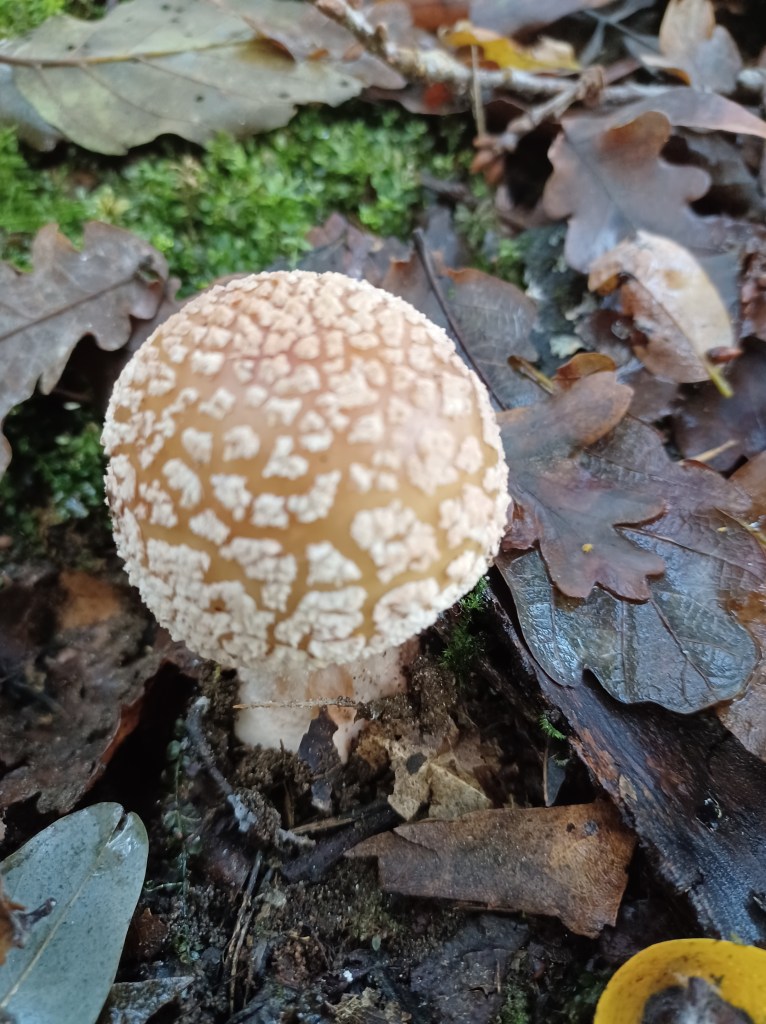
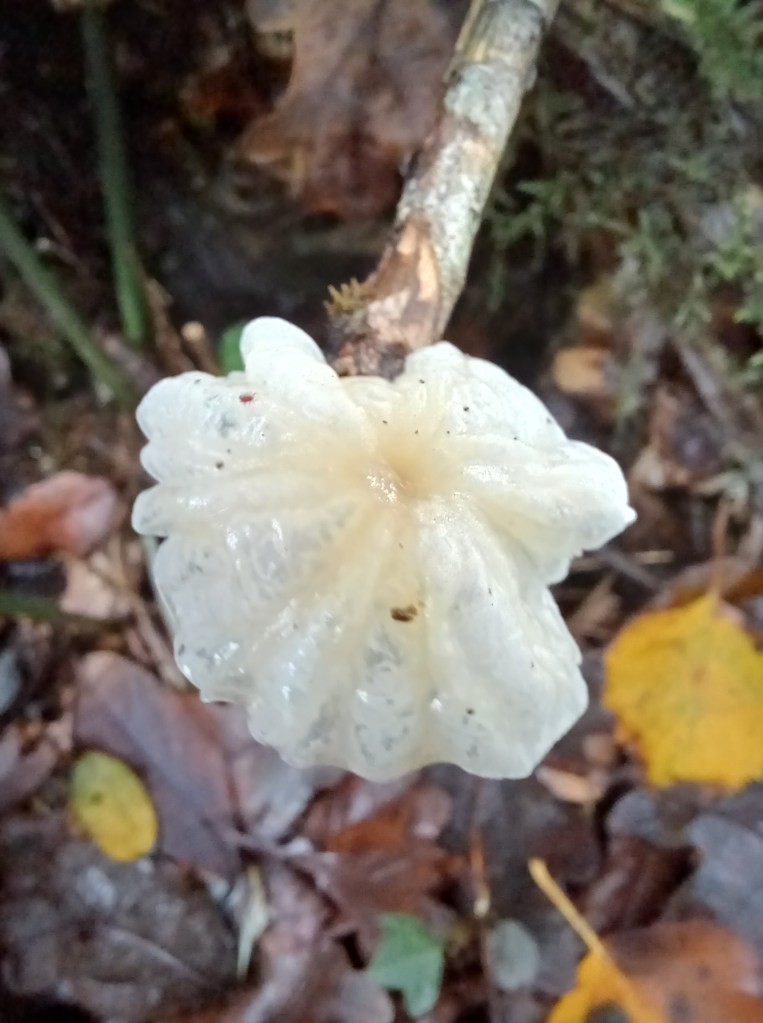
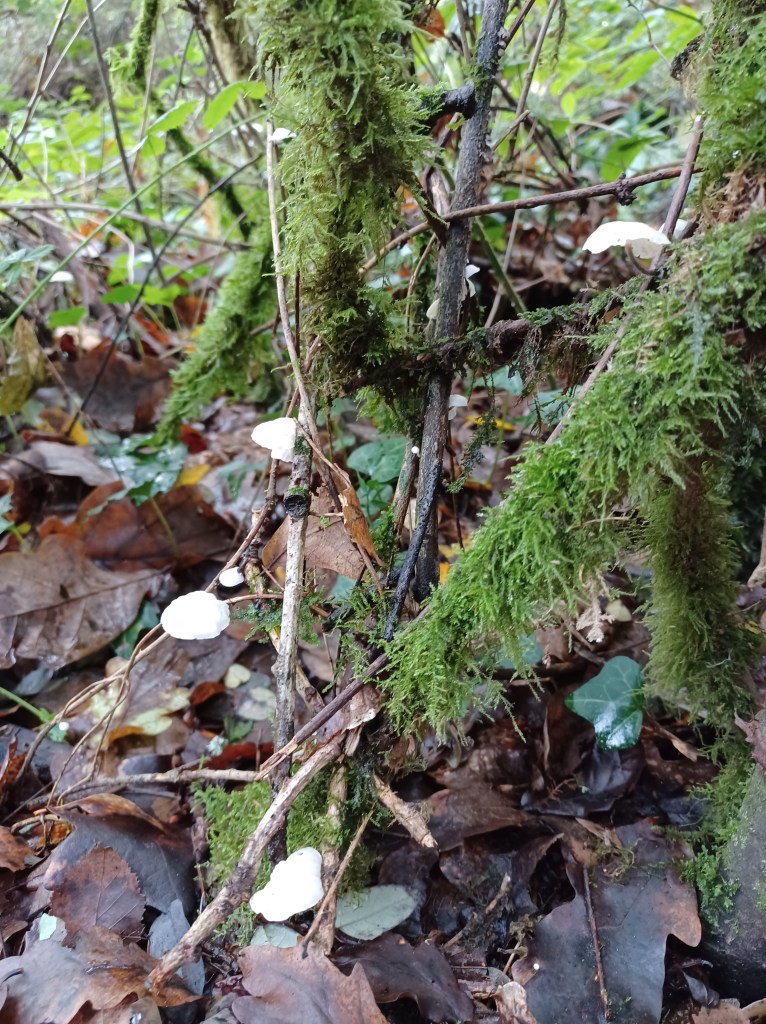
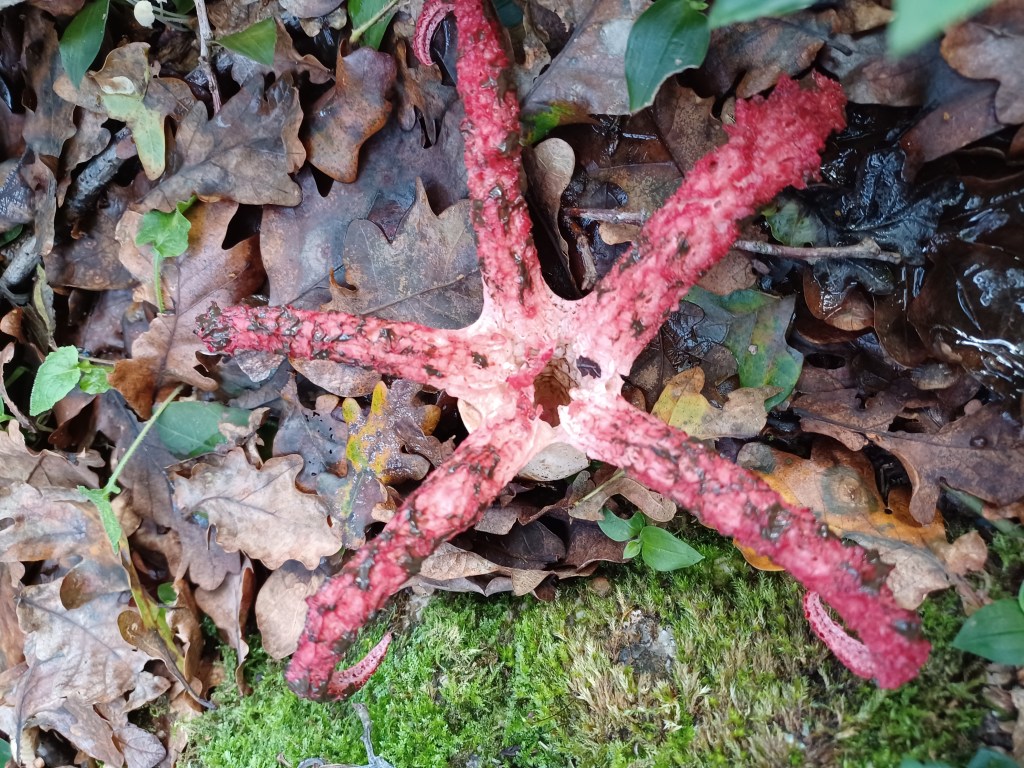
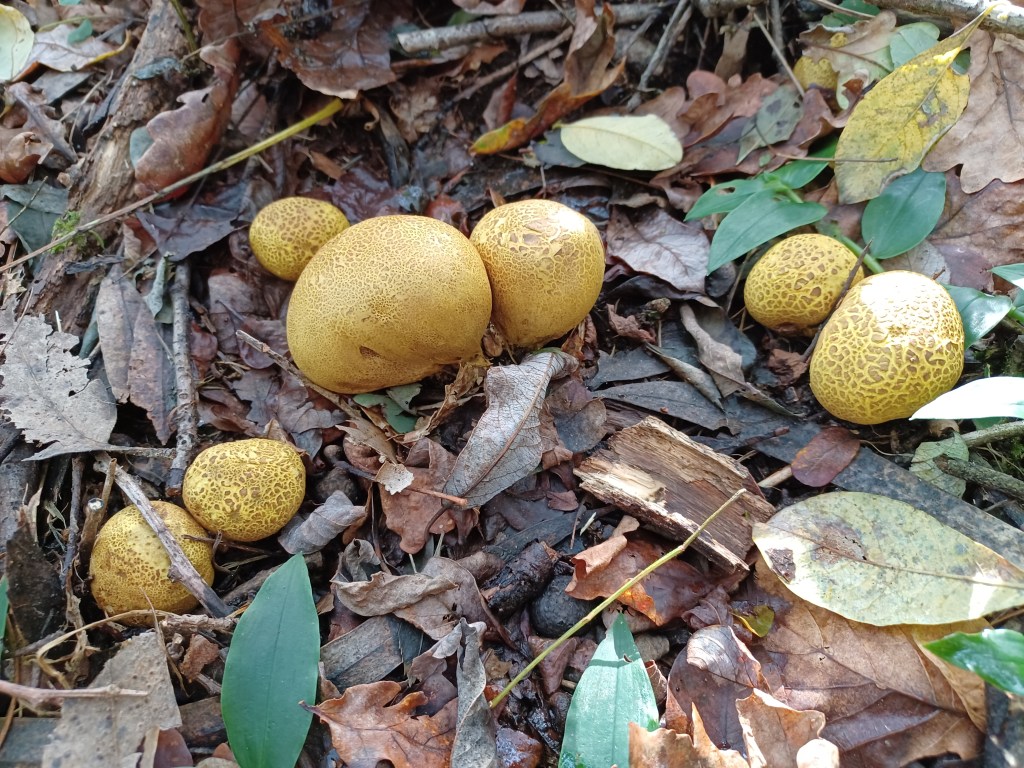
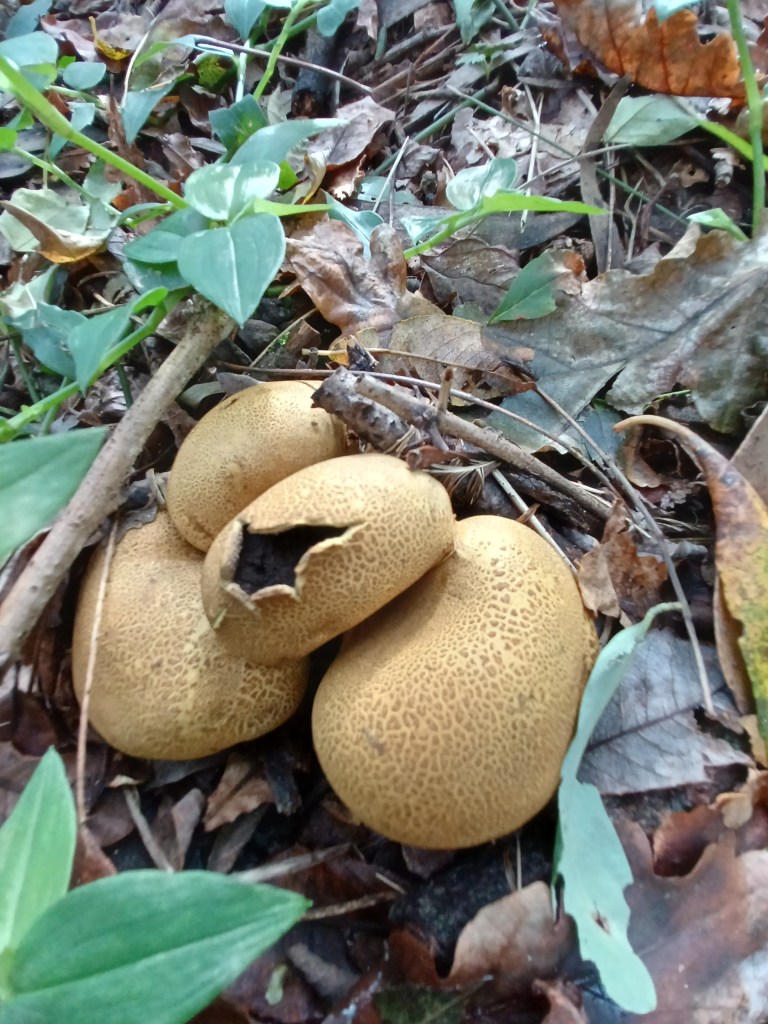
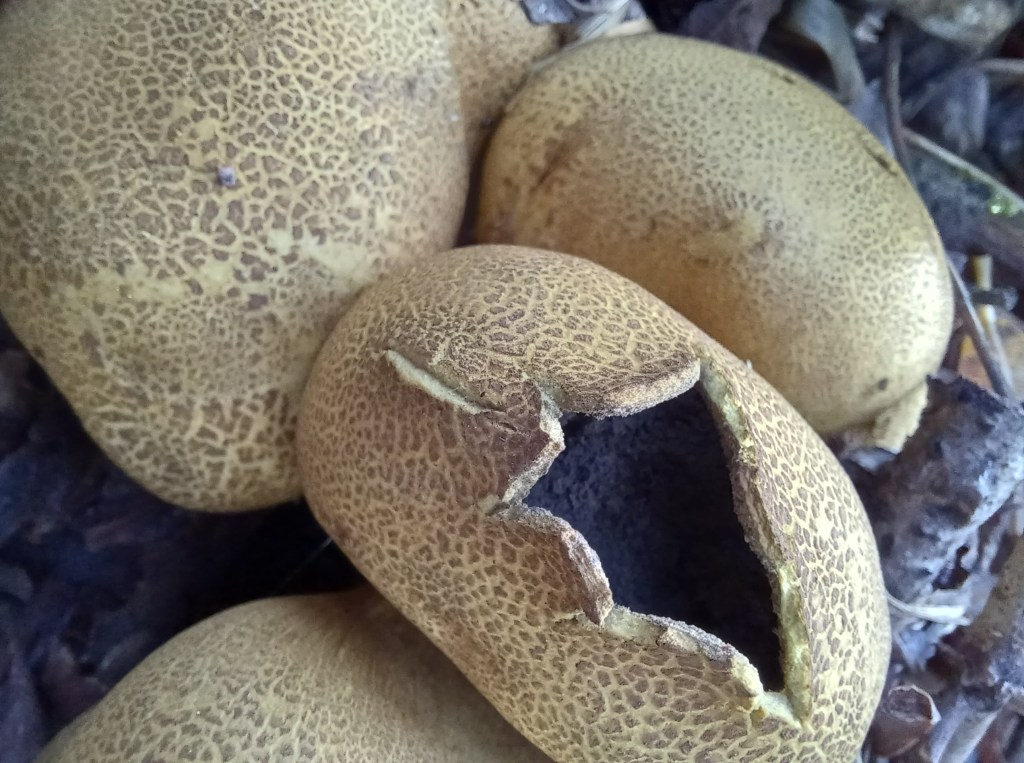
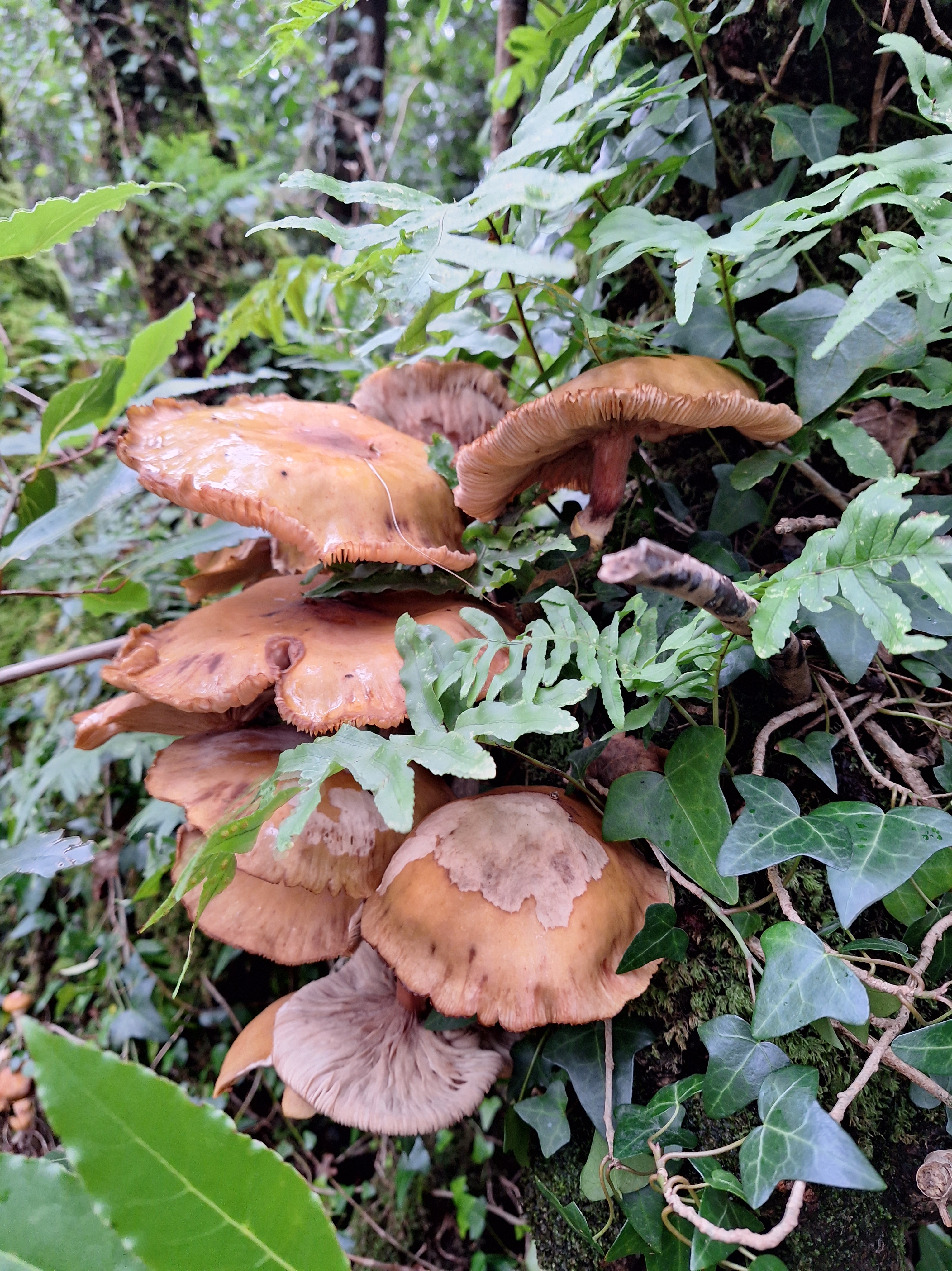
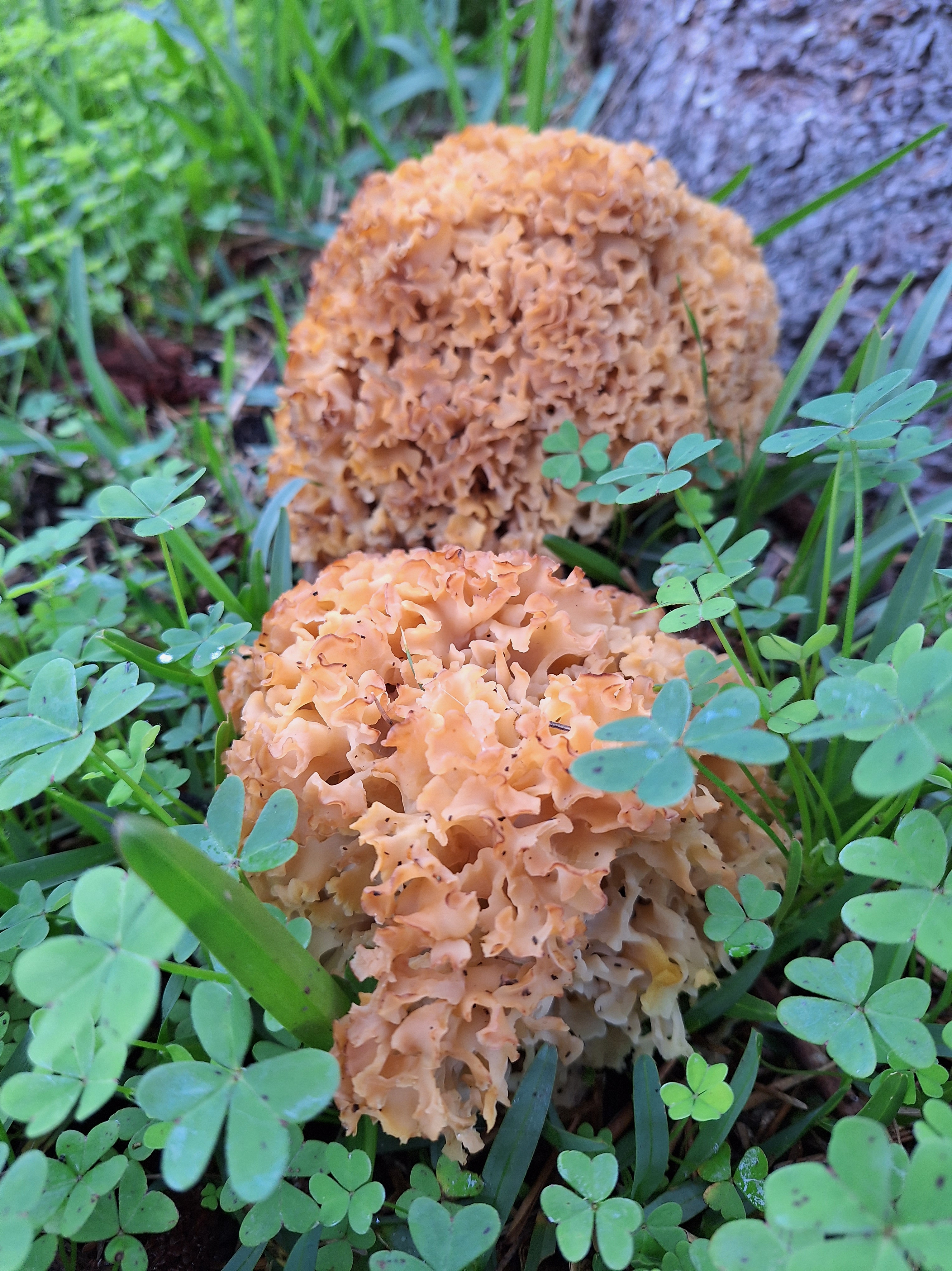
Are any of these edible? If you know please comment below. I do not know much about mushrooms, but Galicia has a lot. We always joke about whether it is food or deadly, but I have never been certain enough to try. The books I have bought always show a very perfect example or different stage and I can never place them with enough certainty to try.
This was a nice afternoon hike. It was not a particularly long route, and we actually extended it a bit beyond the park because the weather was nice. The route was 6km in total, there and back, and mostly a flat easy walk.
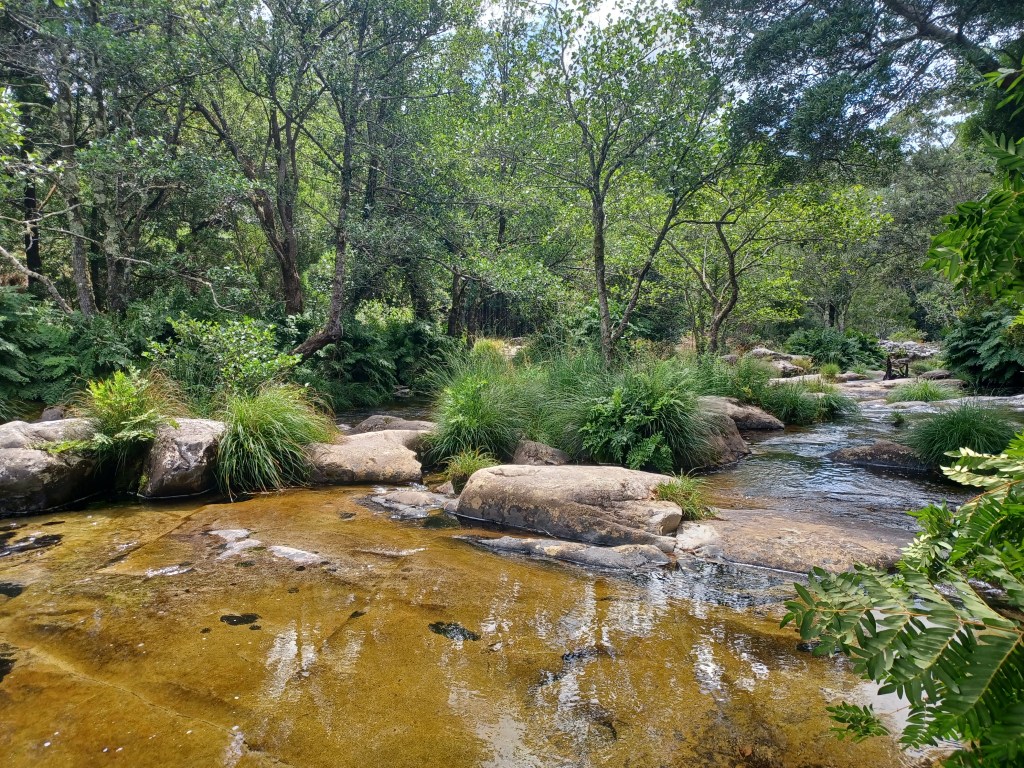
The path starts in a park with a few walking paths. Caldeiras do Castro has a series of little pools that form naturally in the riverbeds. There is a walking path that overlooks the baths and contines along the river.
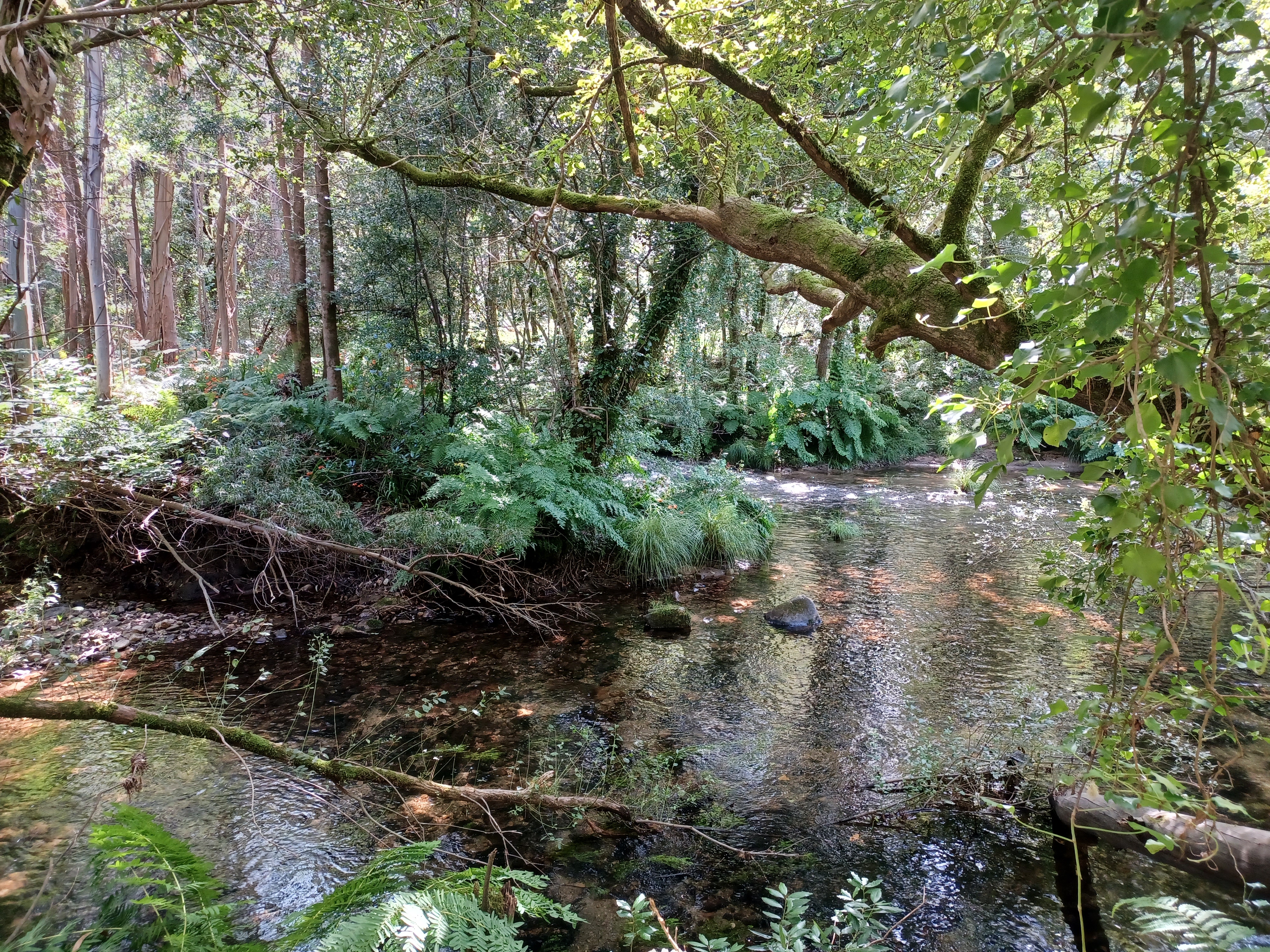
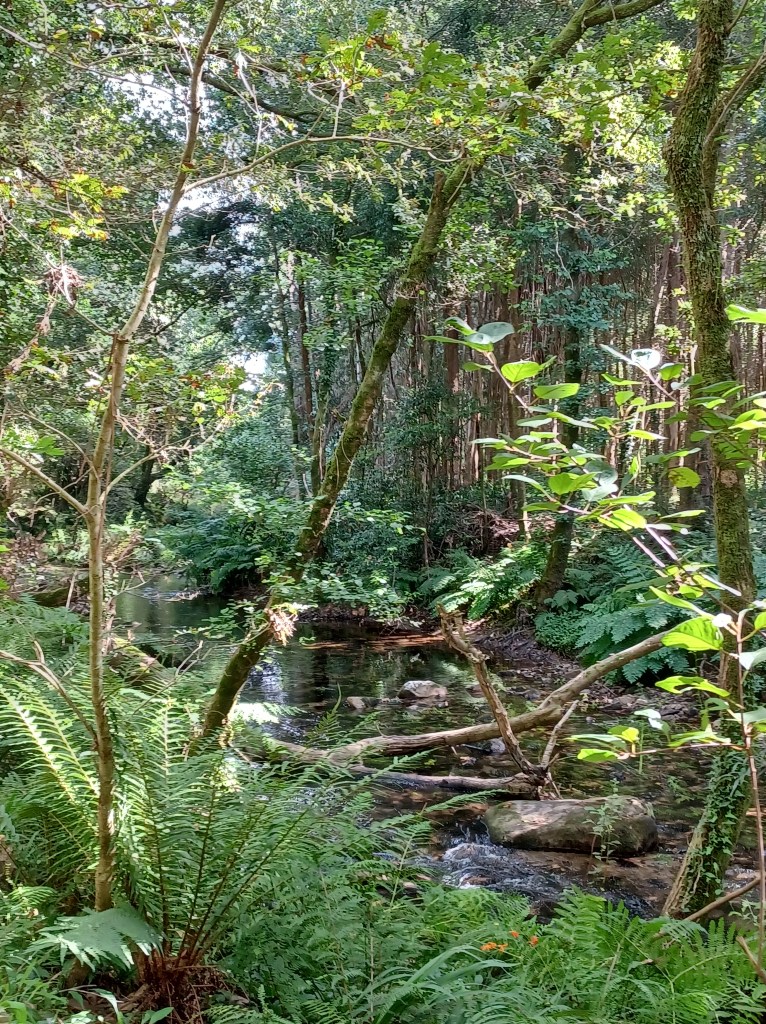
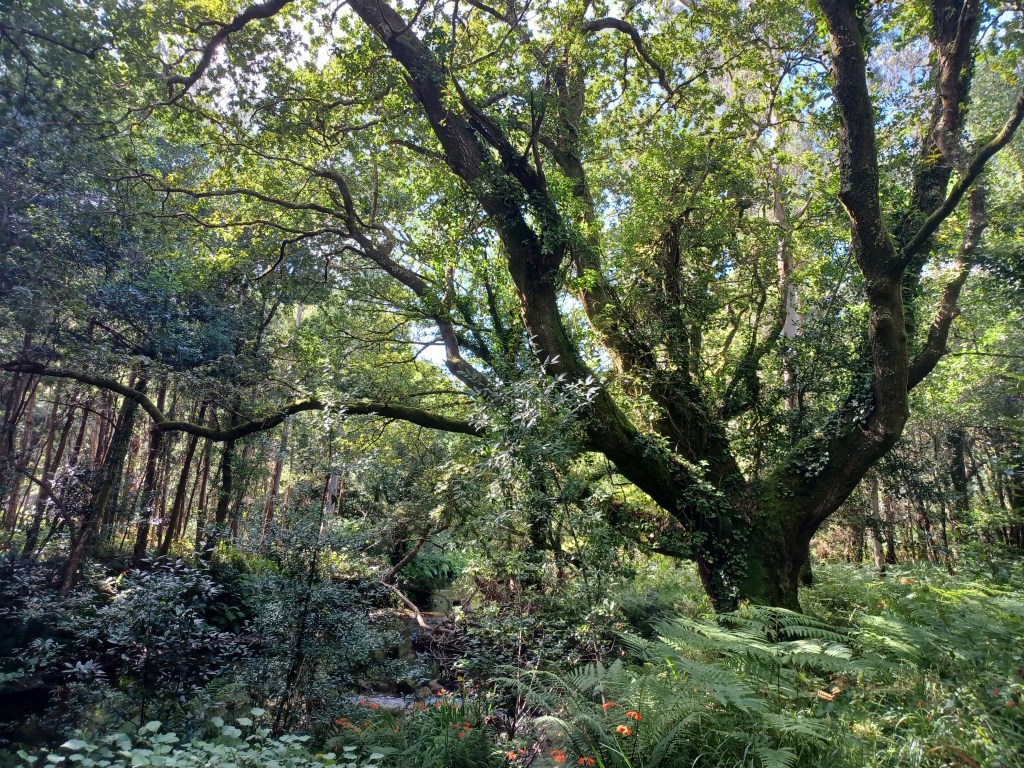
The larger walkway was not very long, and we found ourselves “como cabritas” pretty quickly. But the trail is clear and continues along the river. It is lovely and Galician Green.
After a short distance, the path moves off from the river and it is not straightfoward to recover. There is a farm blocking the river access, so you have to walk along the perimeter until you can guess where it is polite to cross down back into the river.
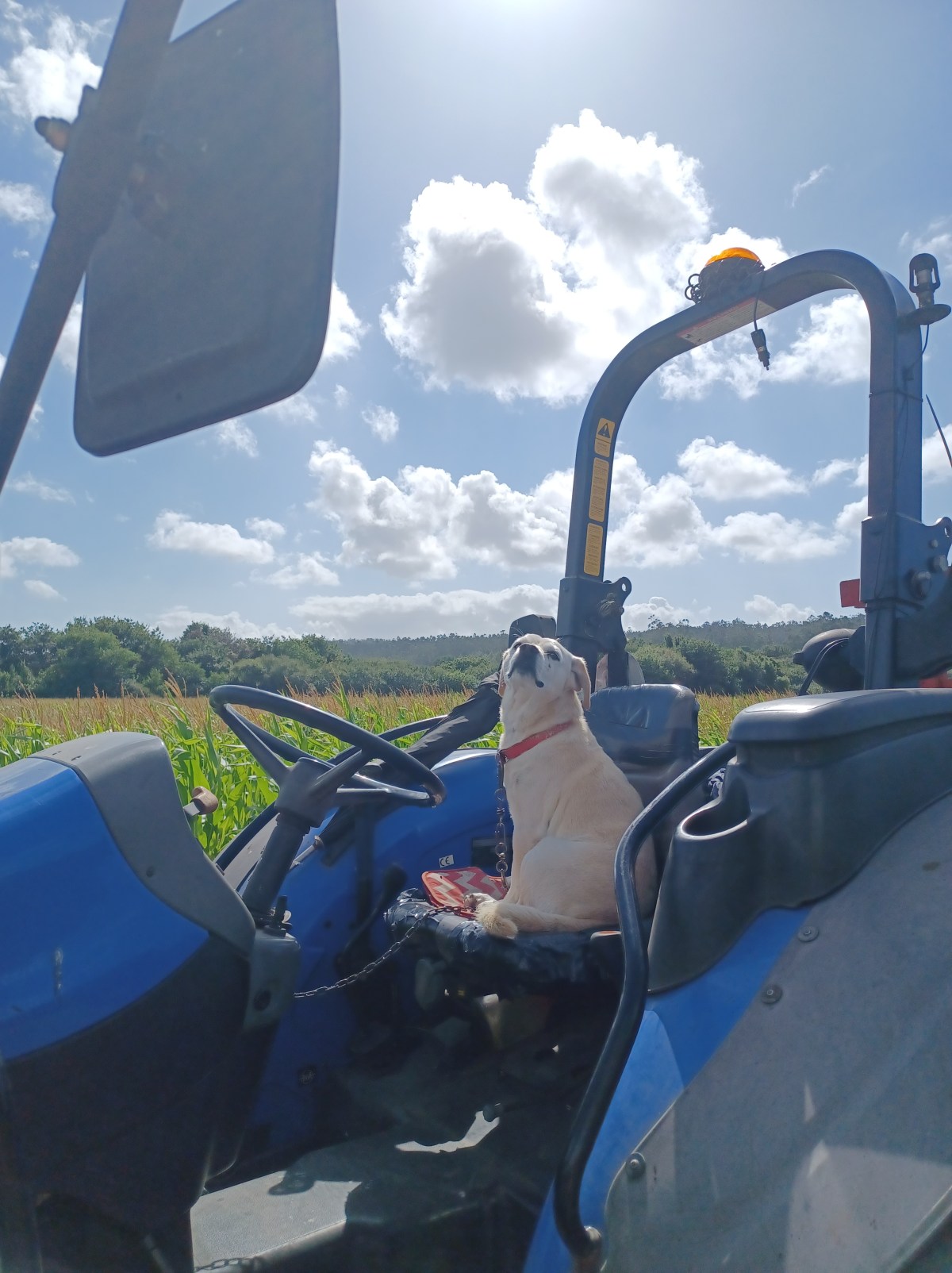
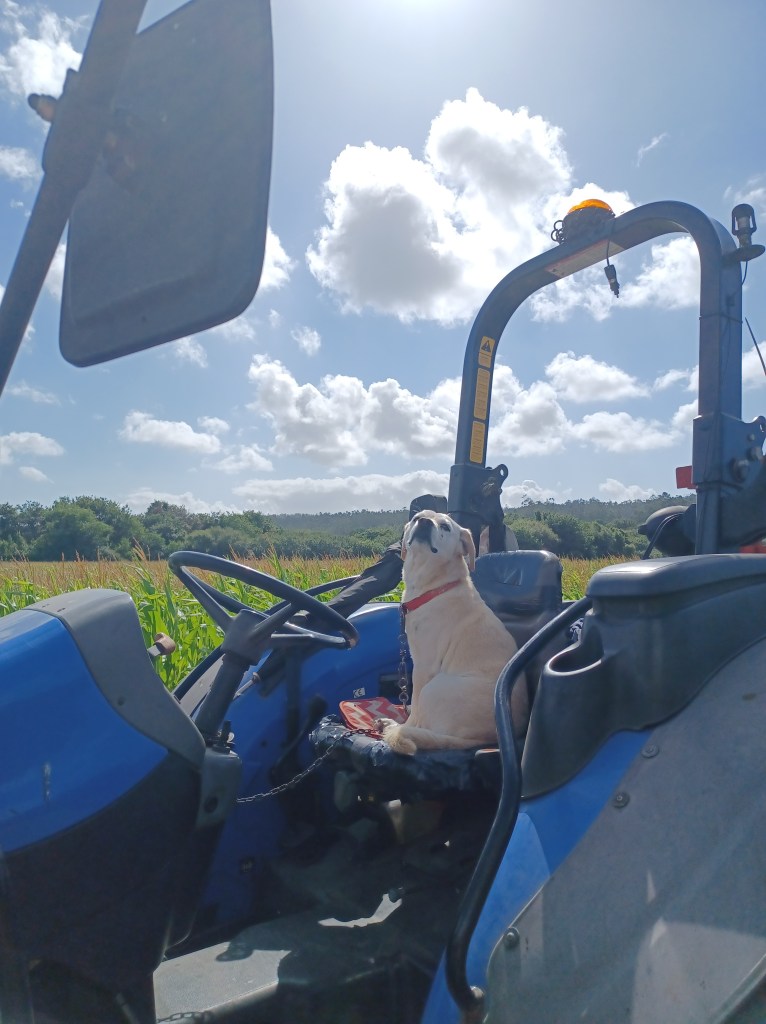
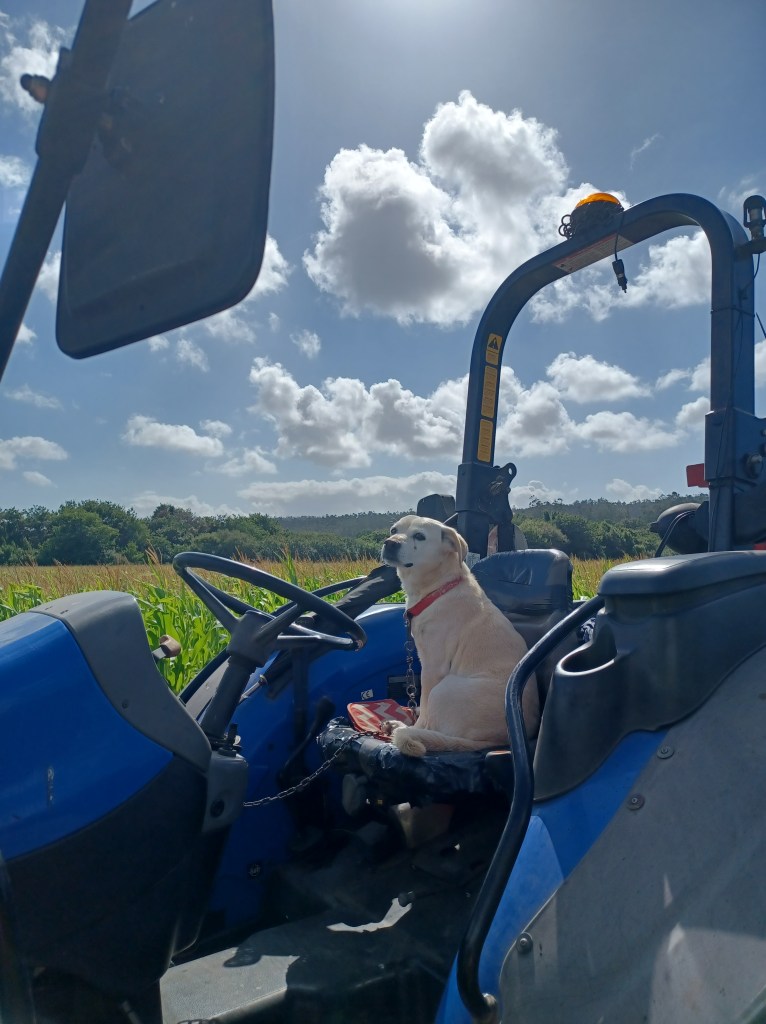
Fortunately, I encountered a farmer driving his tractor. He was able to give me directions and a few tail wags. He was, indeed, a very good boy. He pointed us down the middle of the farm where there was a small path between two fields.
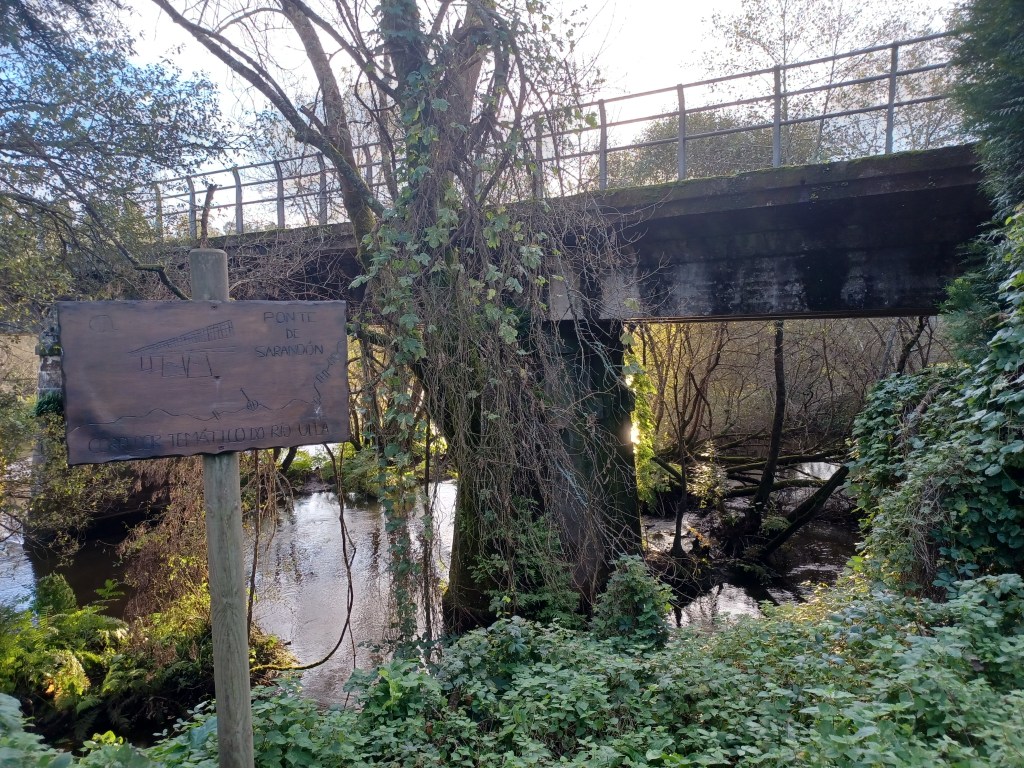
On the other side of farm was a very sturdy bridge… so of course I had to cross it.
And on the other side was this really lovely island where the river split to flow around the sand bar.
The island was not very big but it was pretty! We had hoped to cross the river here to return, but there was not a second bridge so we went back the way we came.
We followed the river back and passed a little mill.
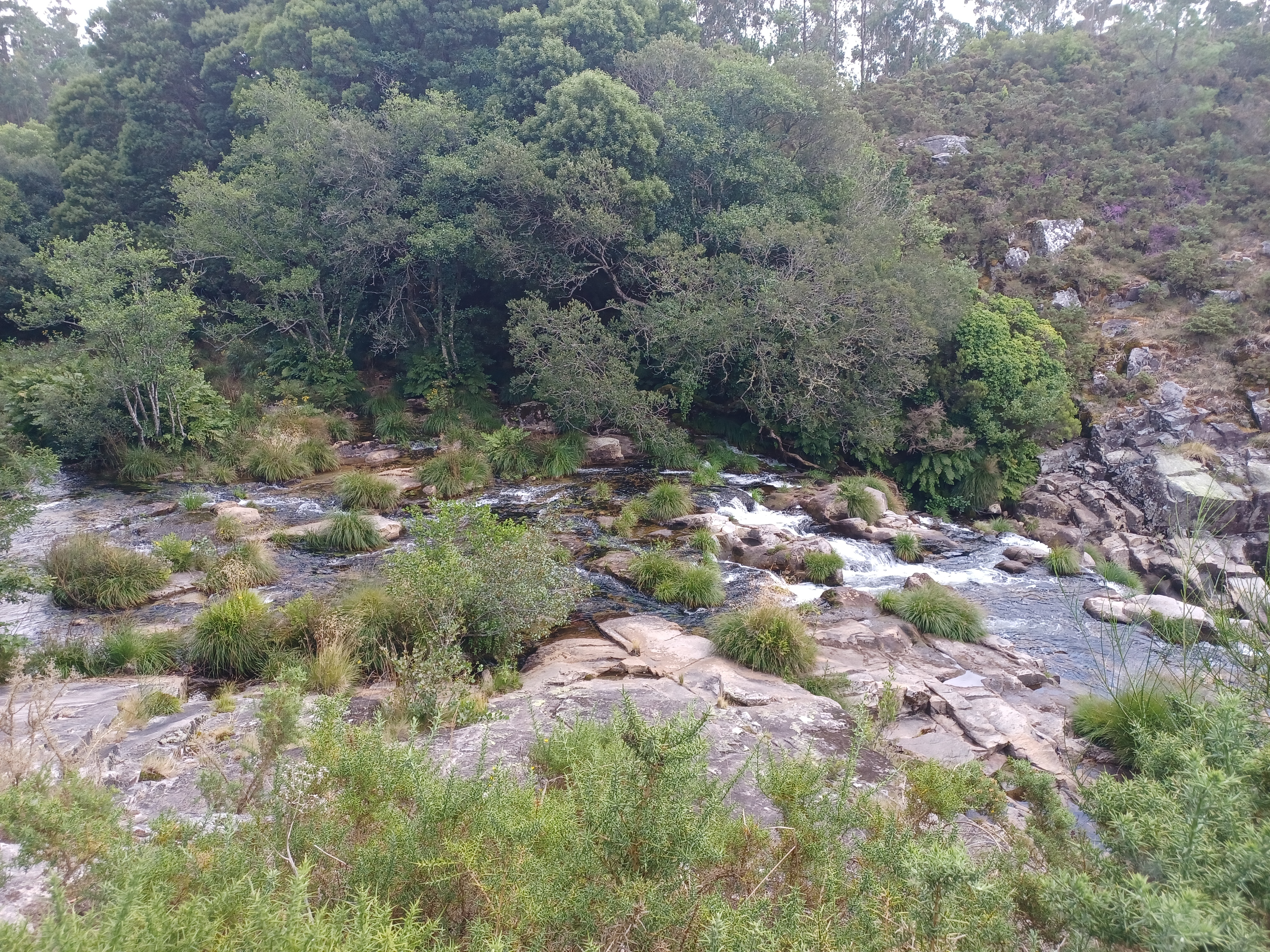
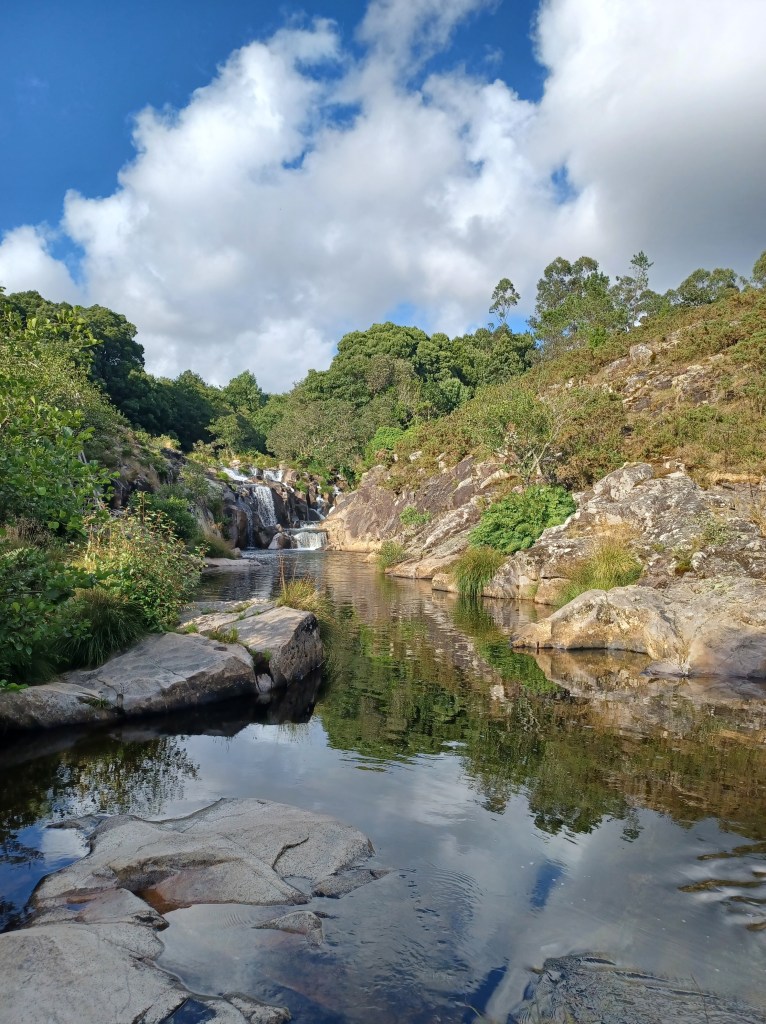
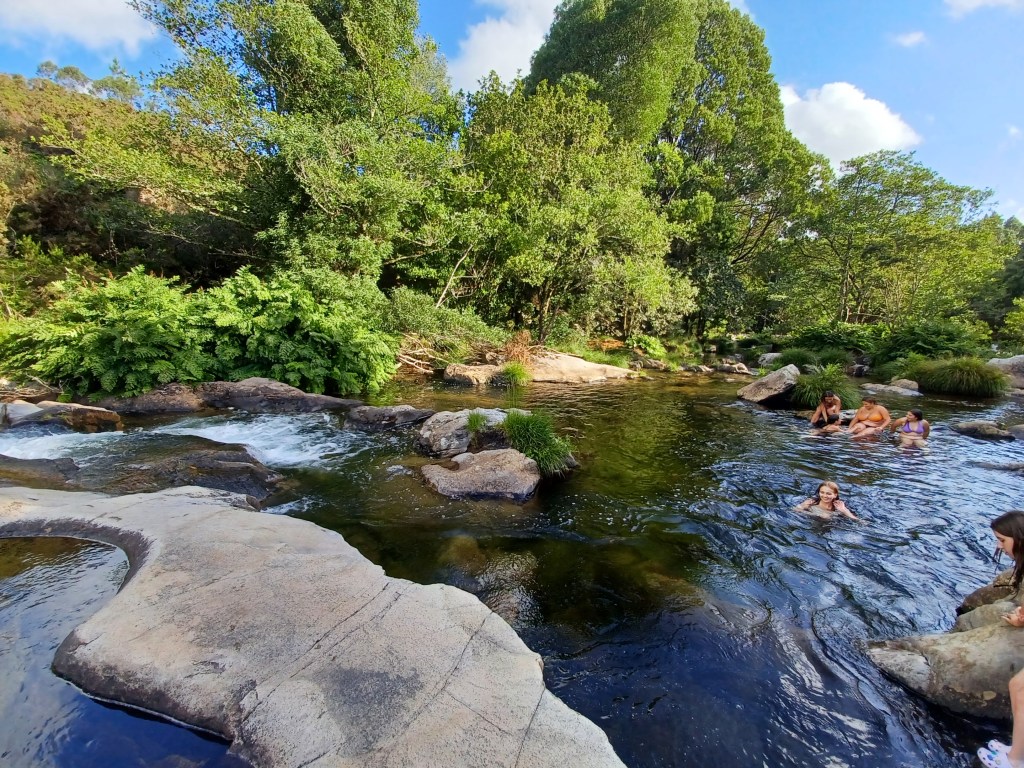
Returning to the car, we took the route closer to the water rather than the path higher up, so this is essentially the close-up of the first photo in the series. It looks like aa nice place to take a swim. It was a little cool for me by the time we came back, but I would absolutely return.
Farmer Dog was so cute he needed two photos. I could not decide which was more adorable so here is the other.
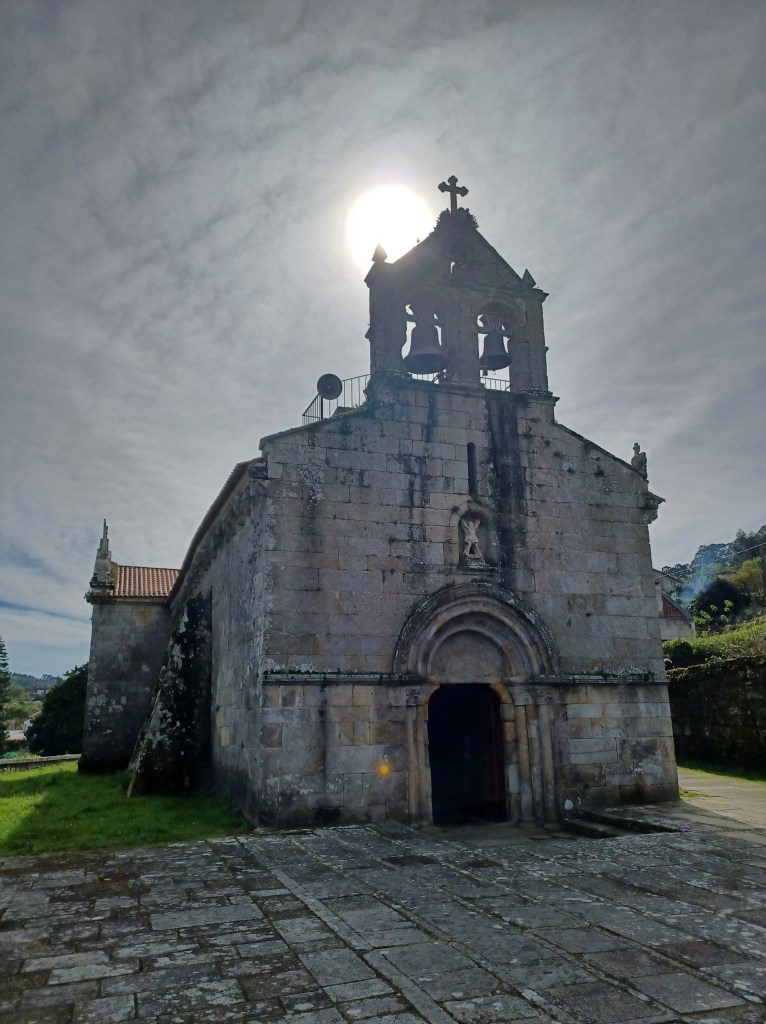
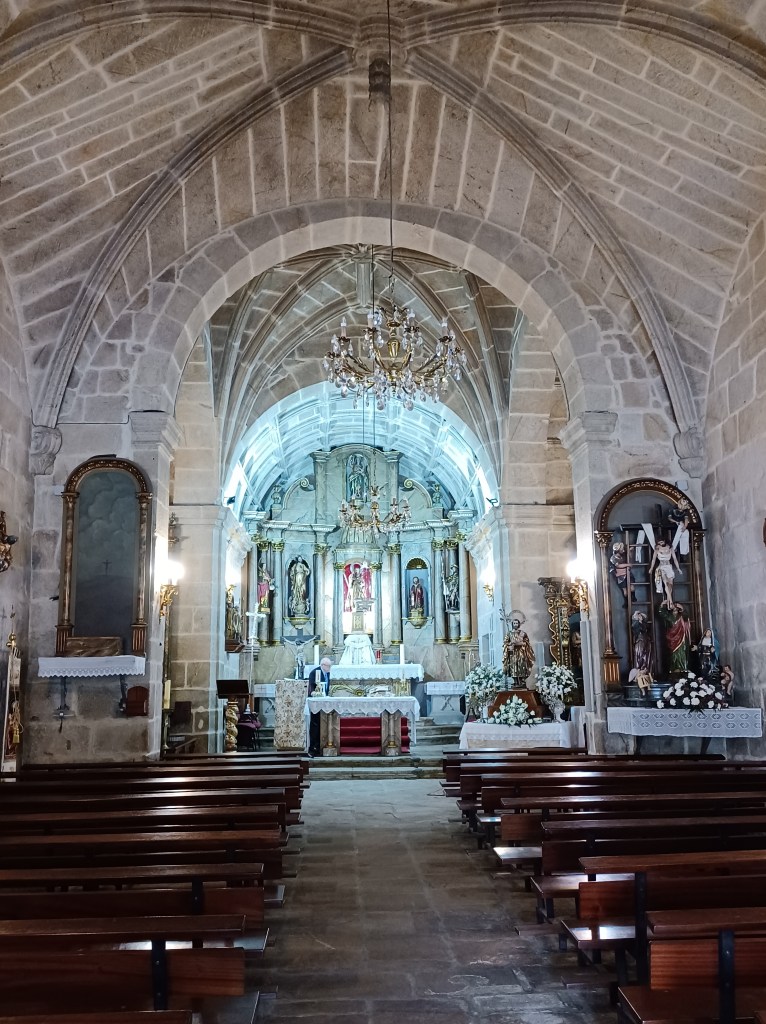
This rural church seems small, but inside it is exceptionally lovely. The pale stone with white and silver accents gives the church an eerie, haunted feeling. Maybe “magical” is a better word.
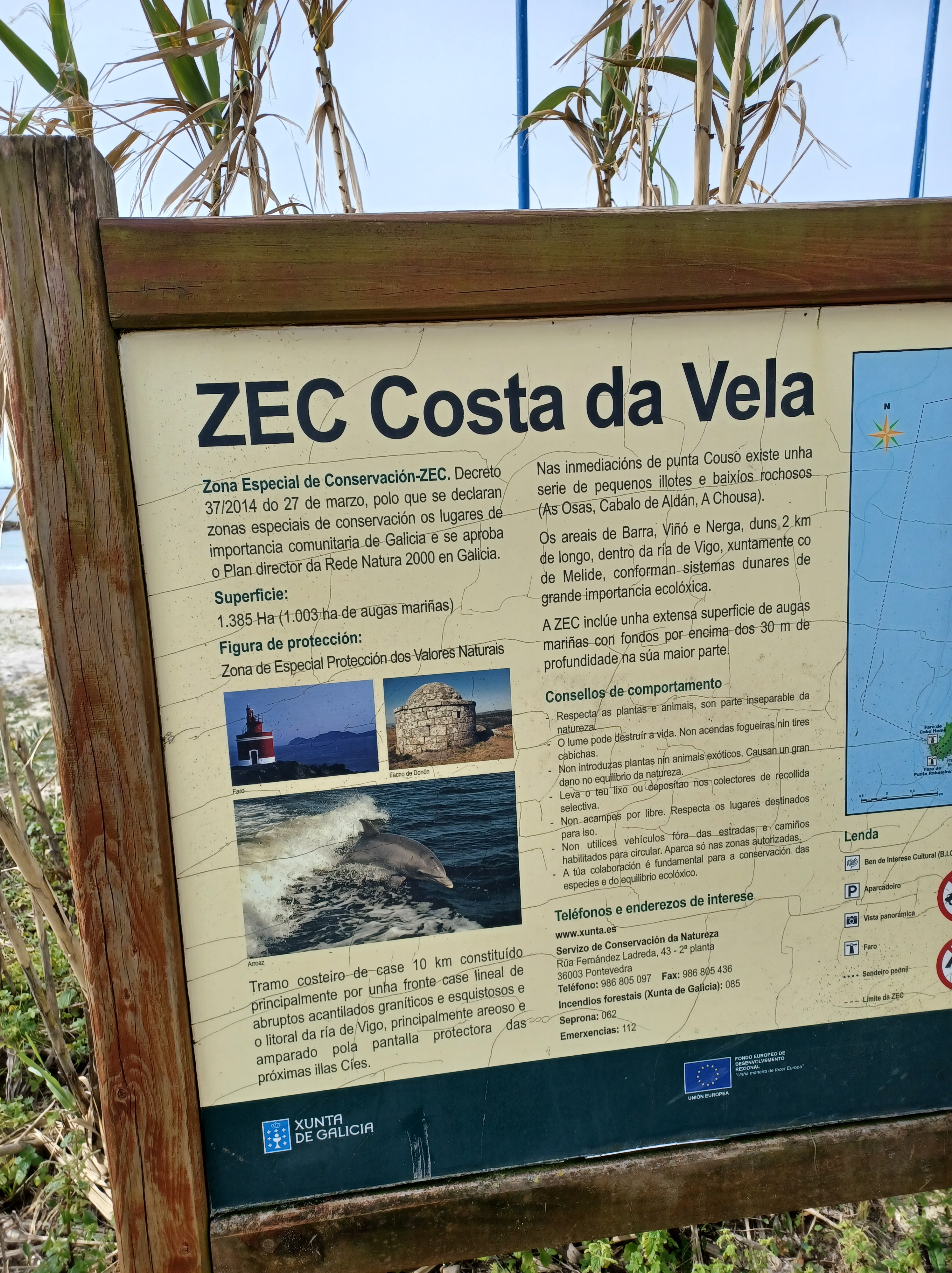
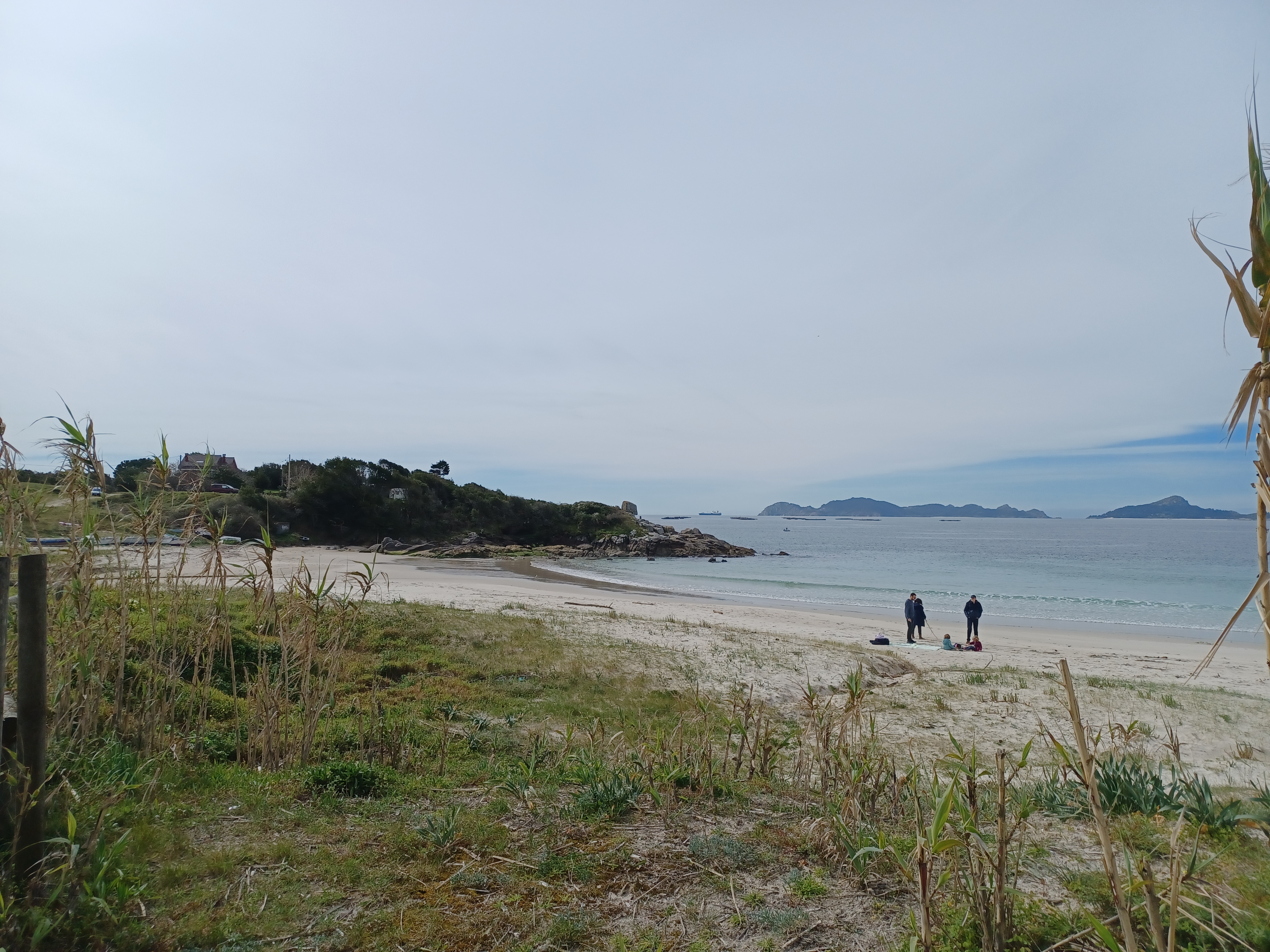
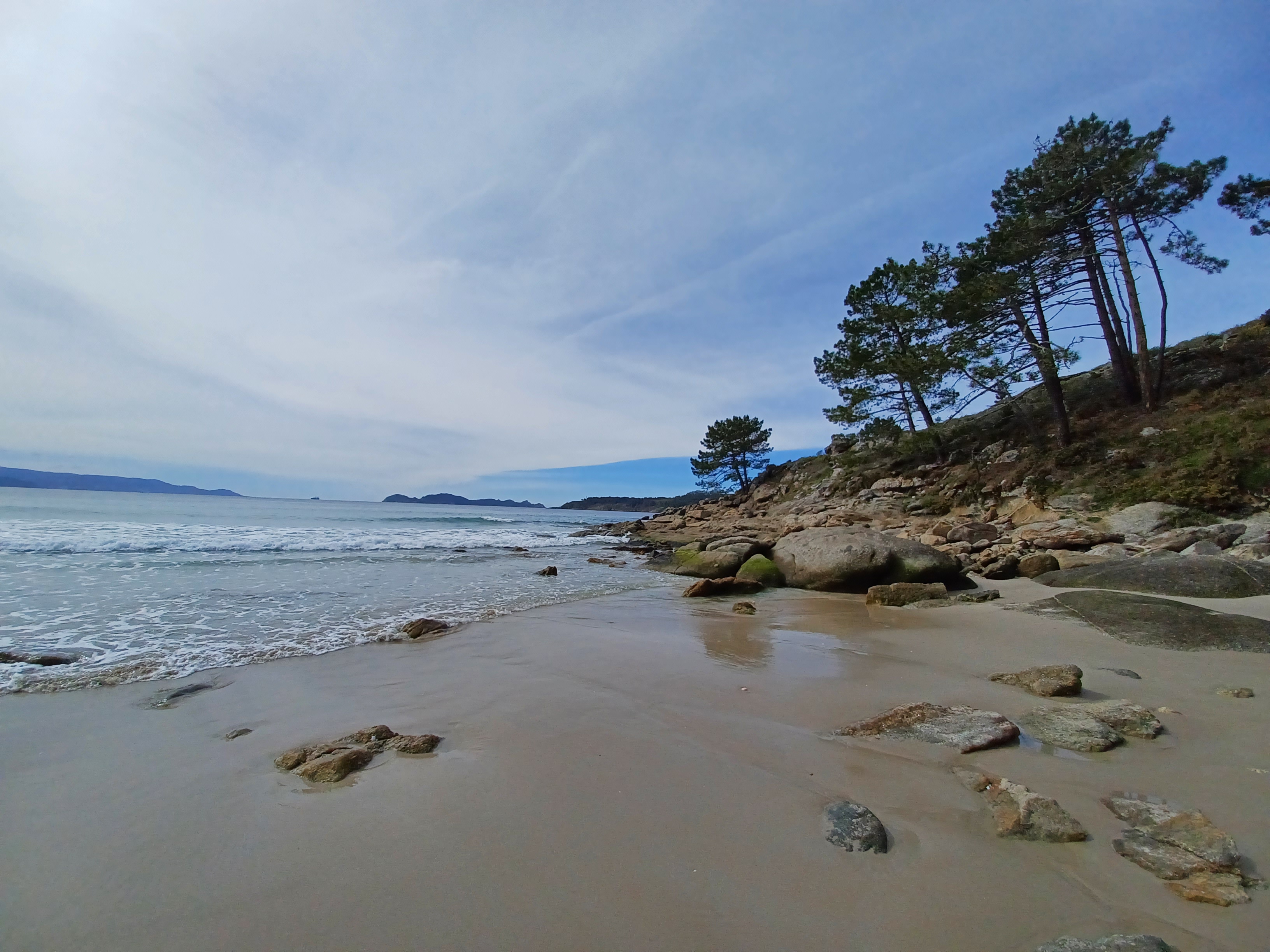
We hopped back in the car and headed to the Playa de Nerga and made our route following the cliffs along the small peninsula.
We walked along the beach a ways. It was covered in large vieira shells. I have never seen so many in one place! It was really hard not to stuff our pockets full of shells and weigh ourselves down at the beginning of the hike.
And then of course… the UP. There was a lot of UP this trip. Strava recorded about 425m elevation gain, but it felt like more. It is funny to me that since moving to Galicia, half of my photos are at an angle, but it is a little difficult to figure out which way is level sometimes.
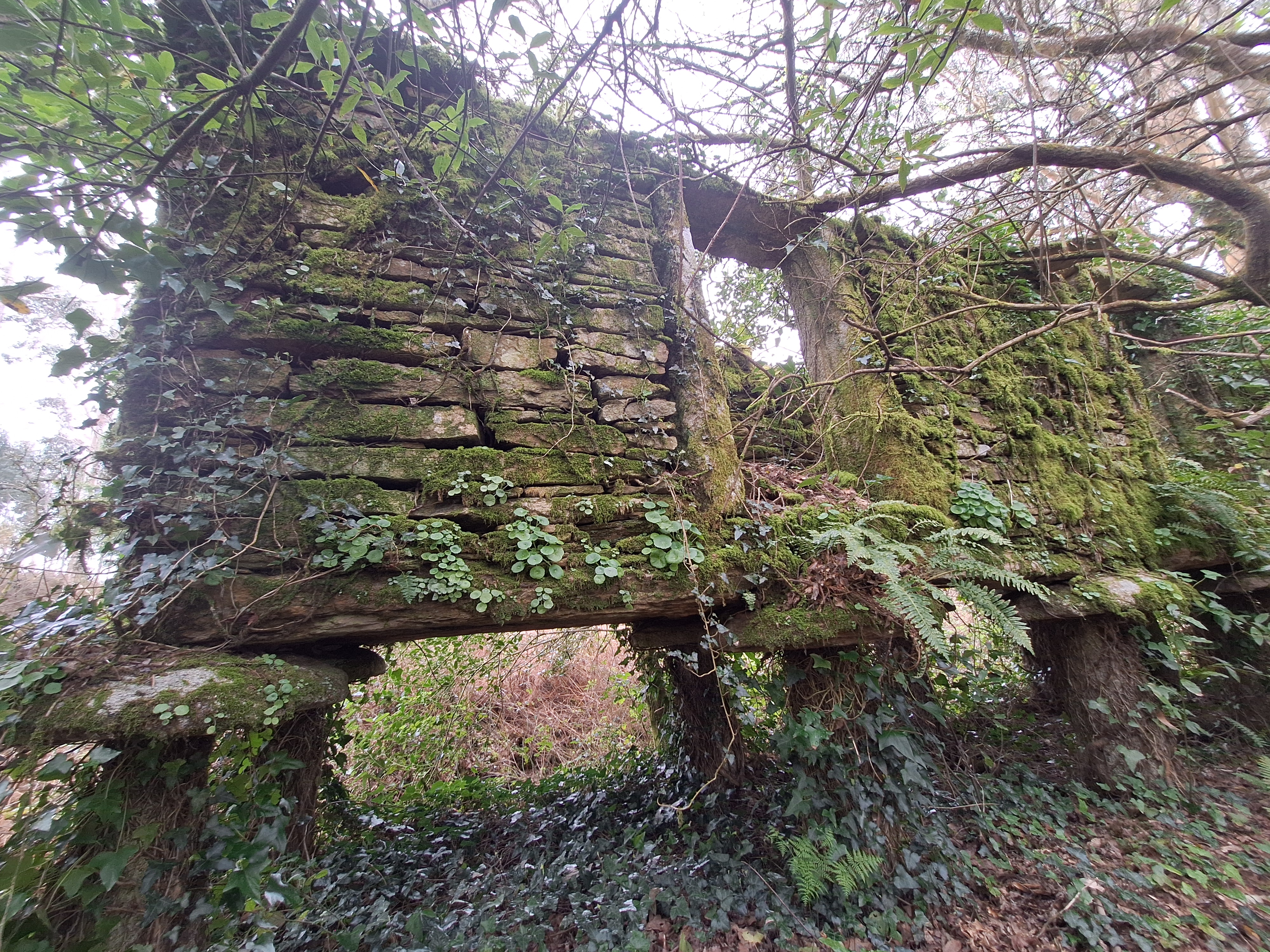
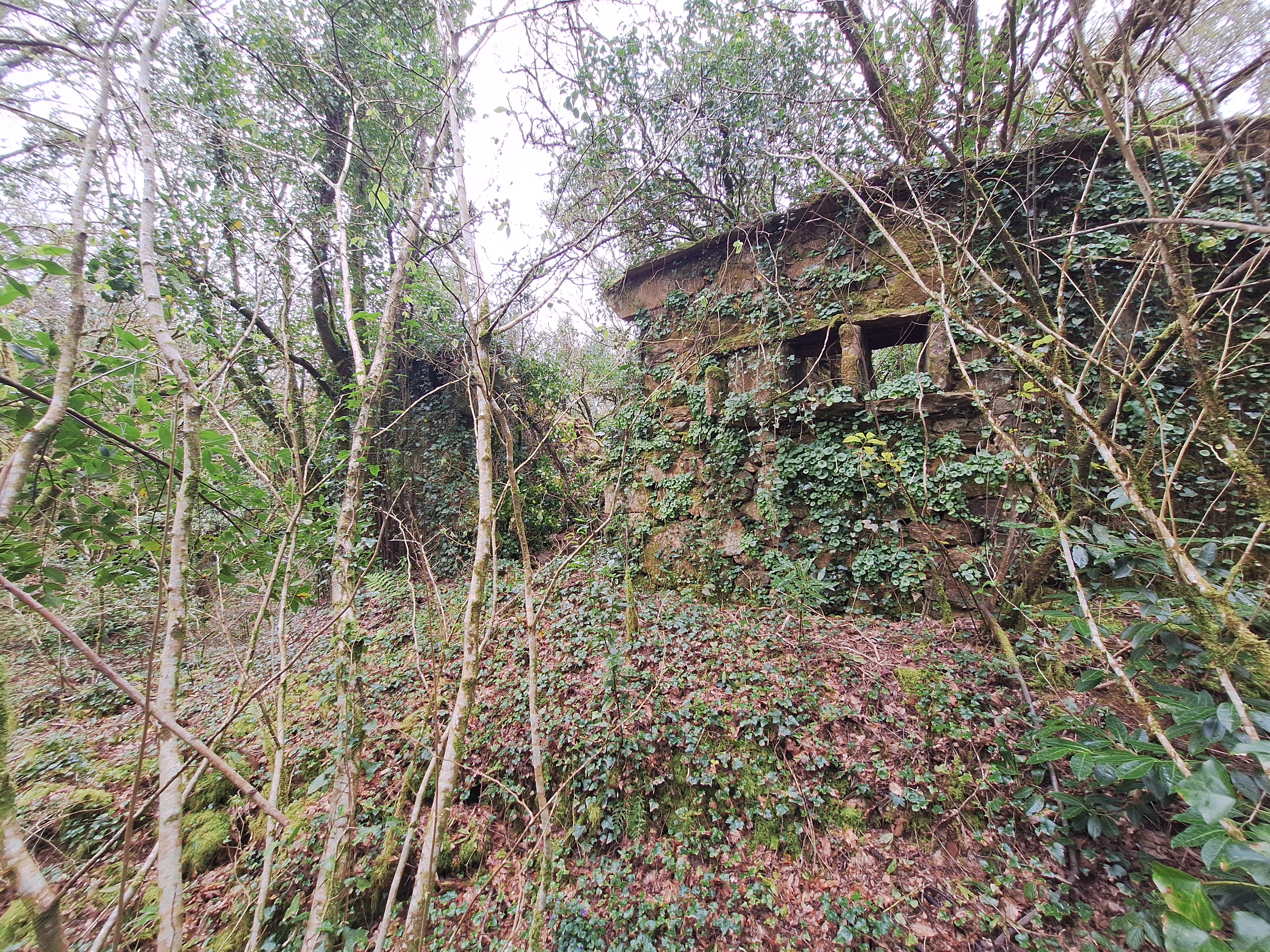
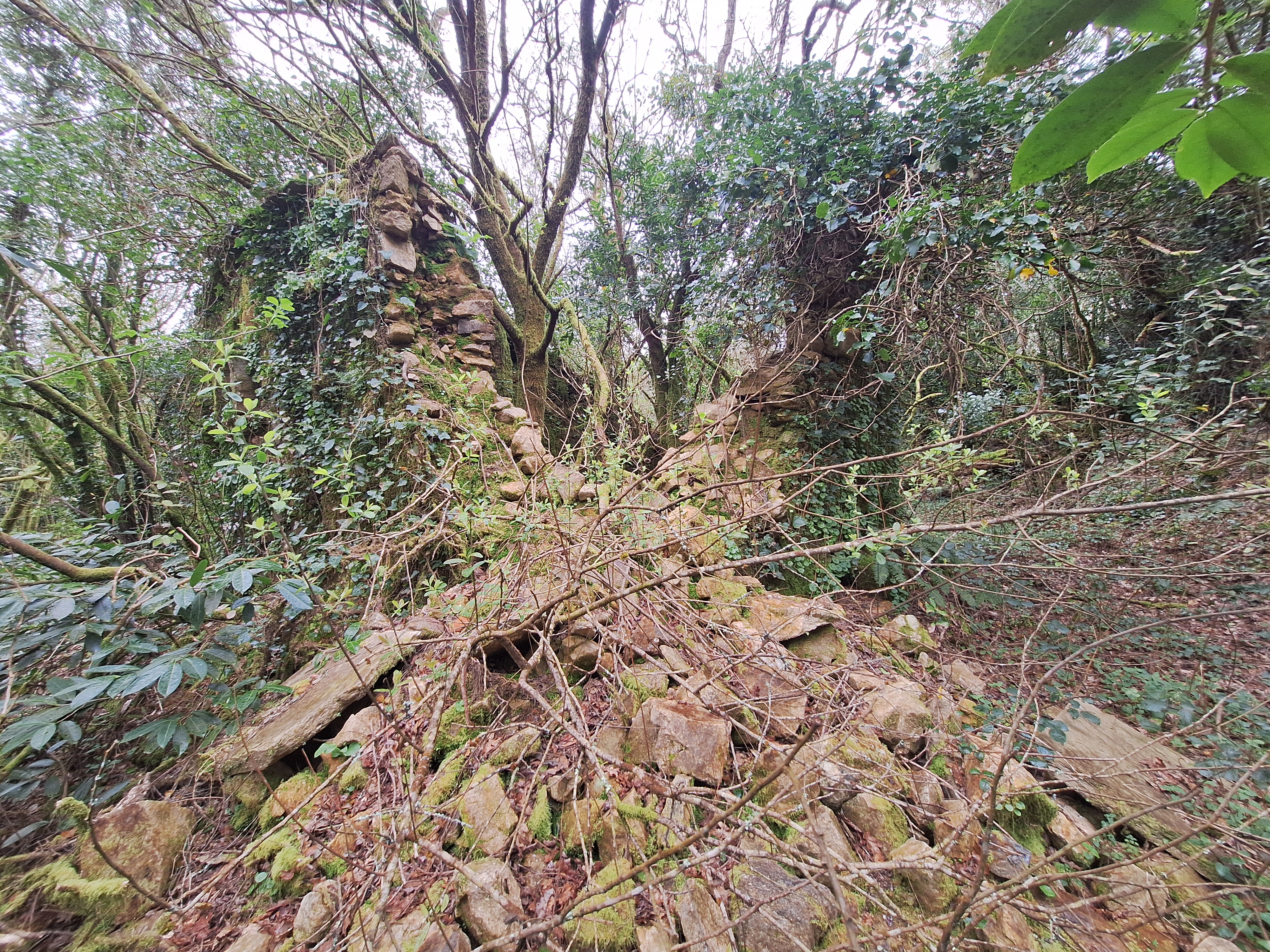
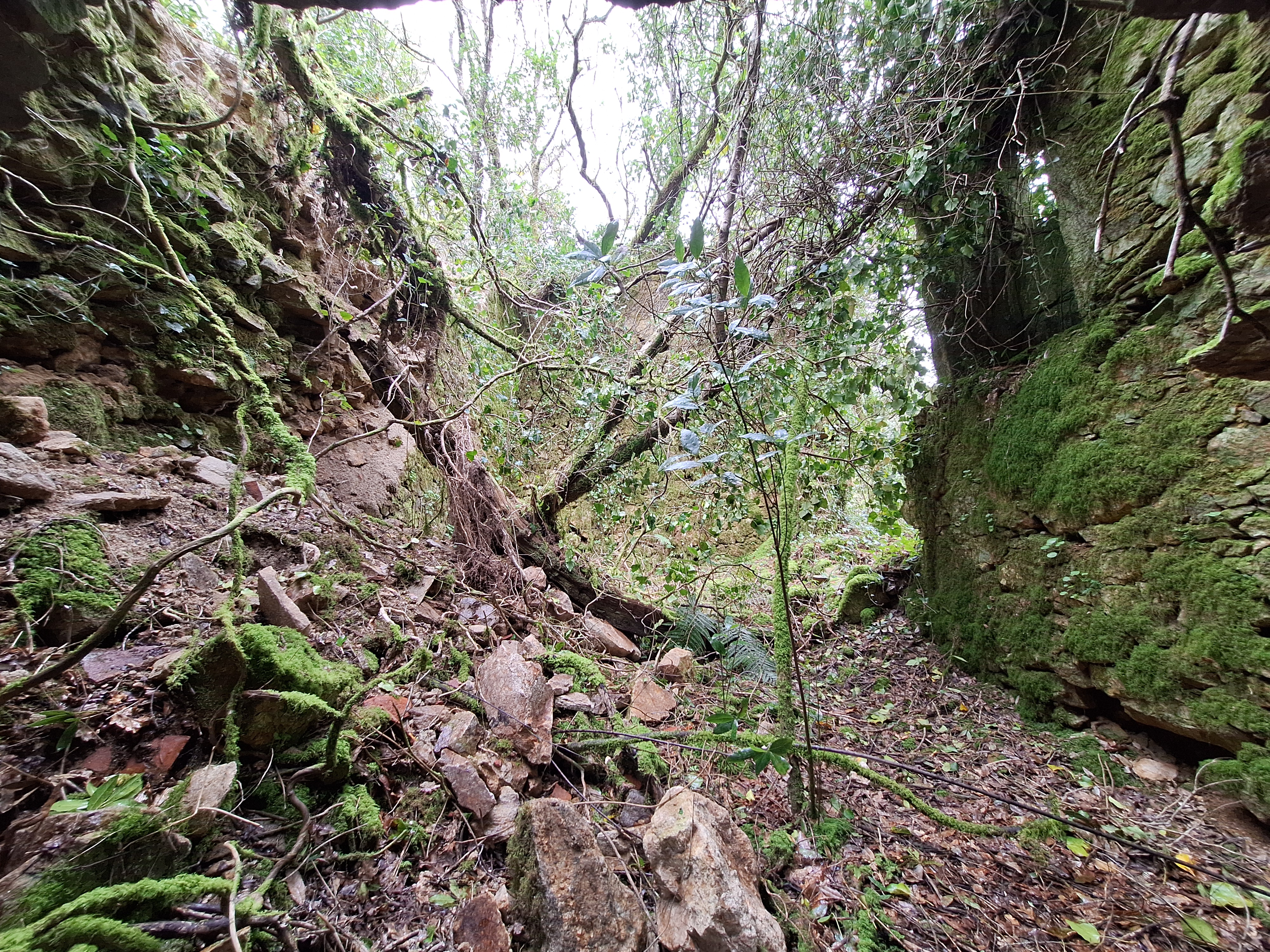
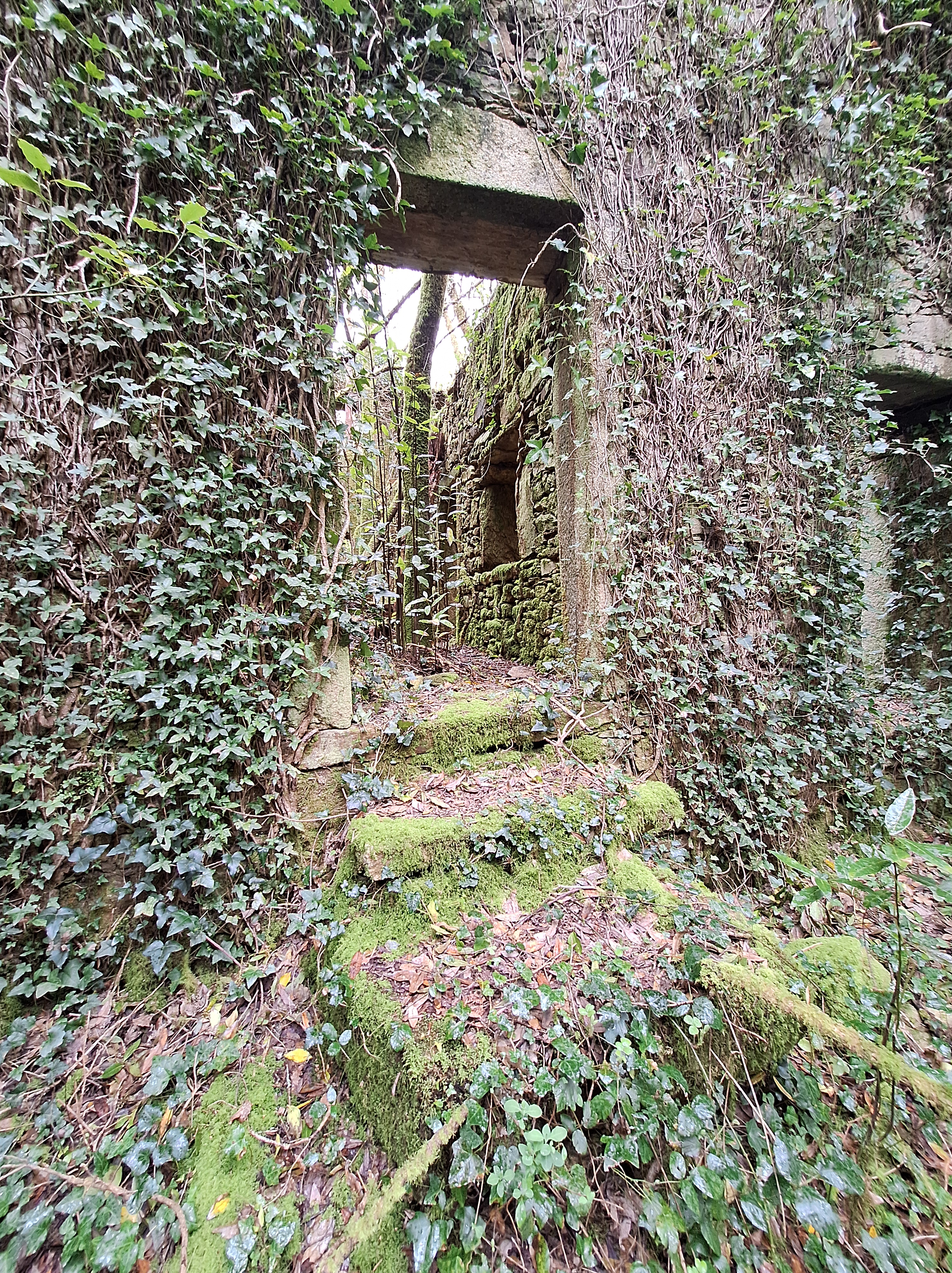
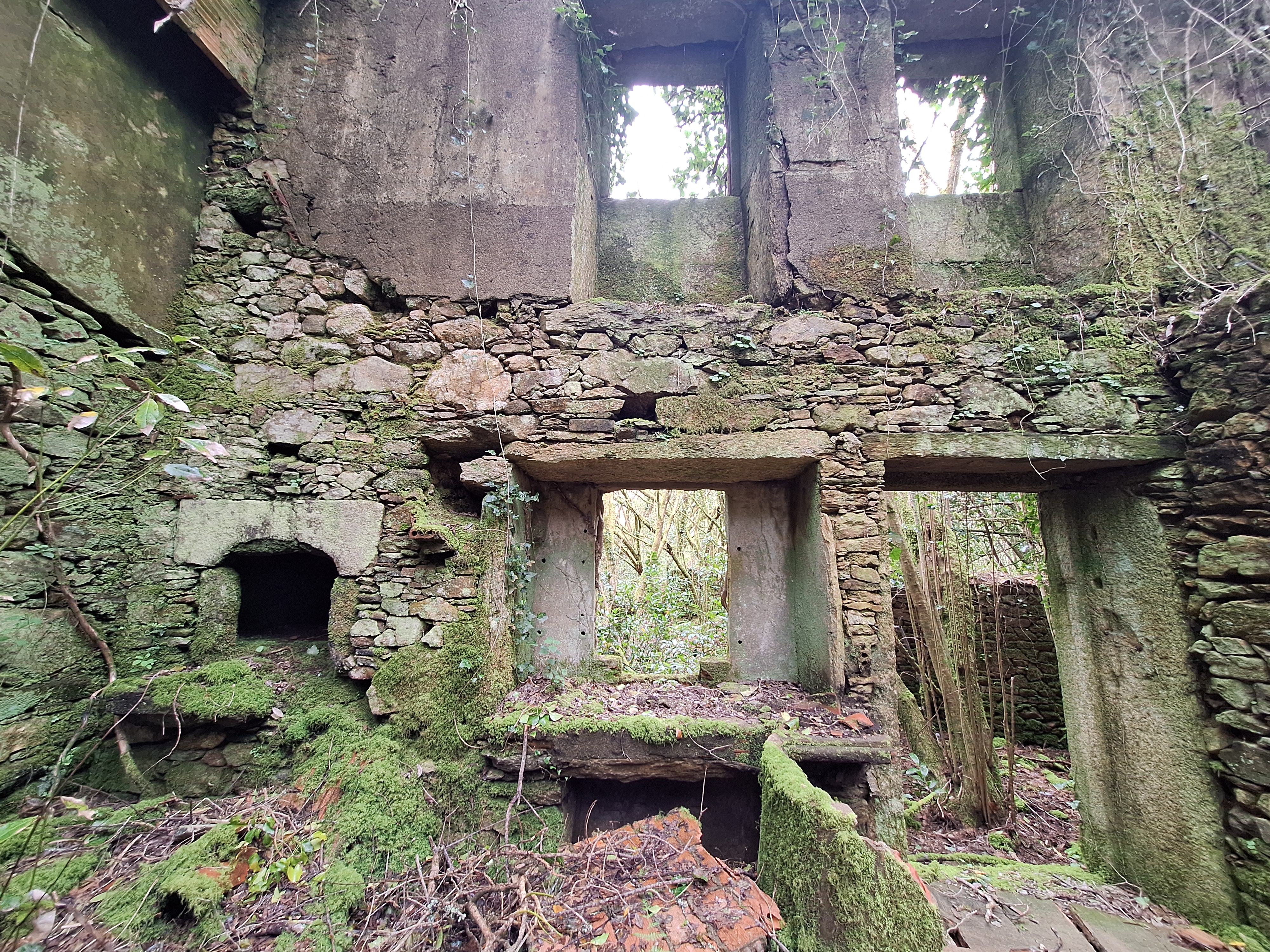
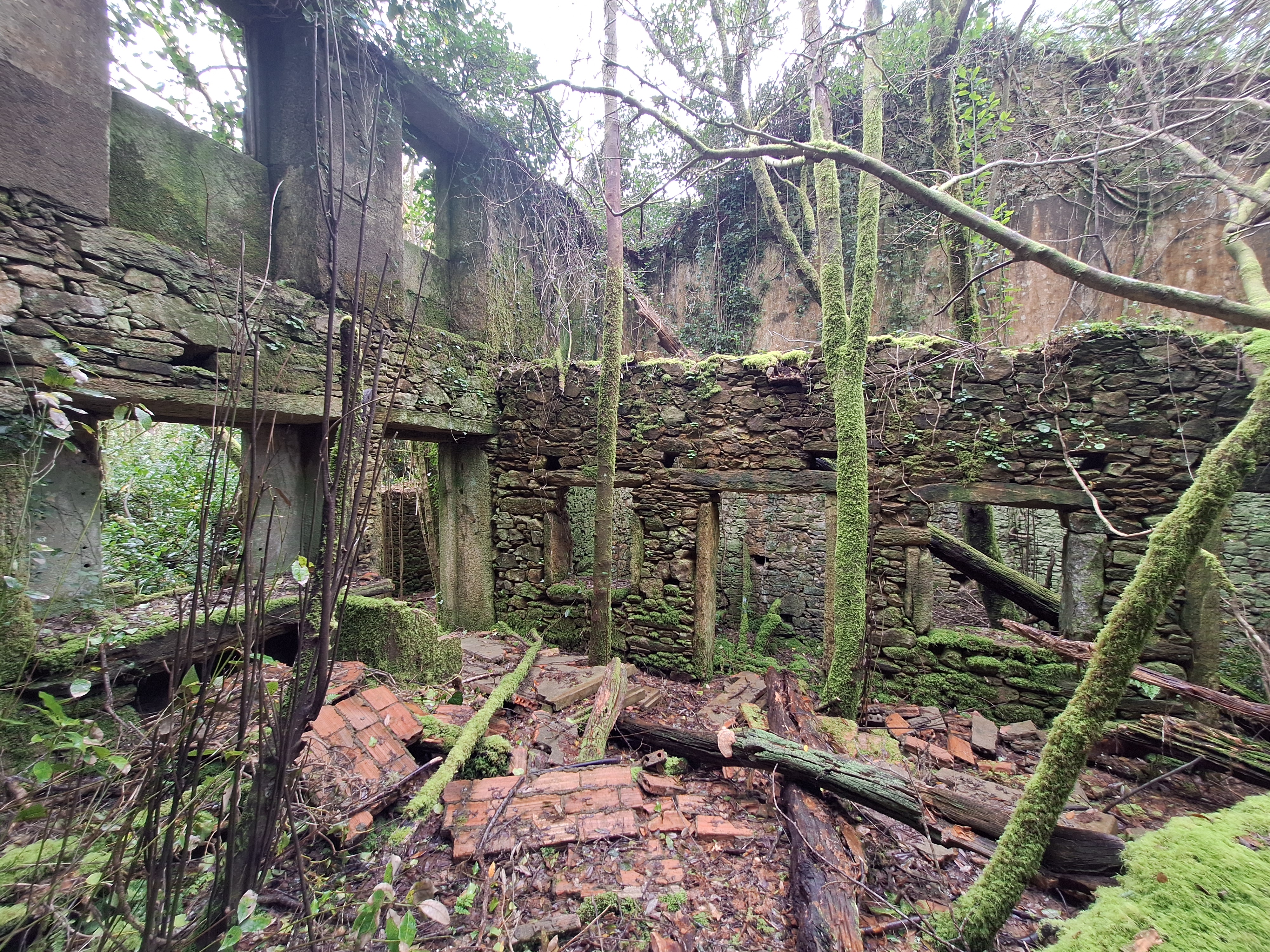
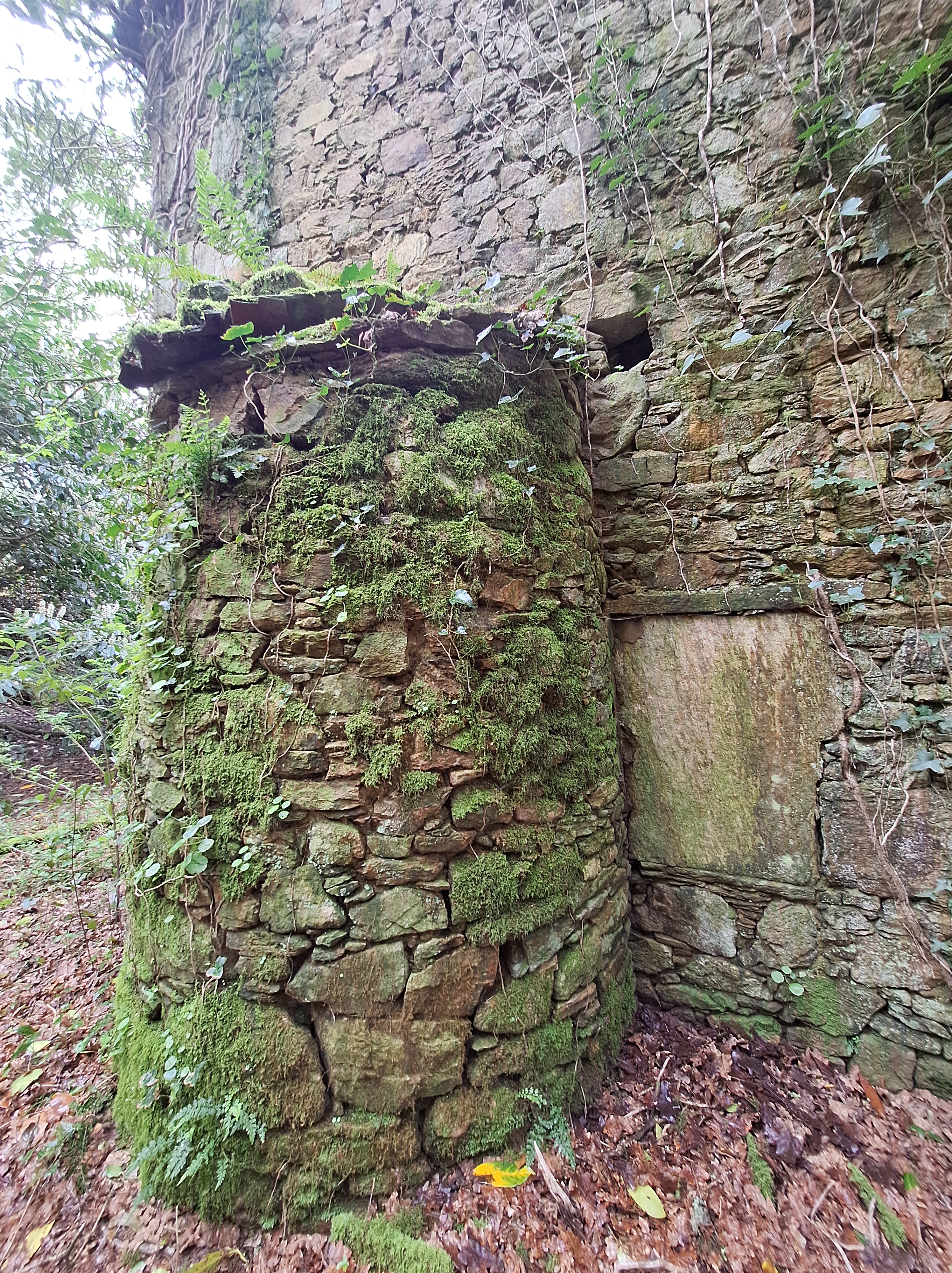
Once we reached the top, the path smoothed out a little. There were some ruins to explore as well as some incredible views.
We were able to shed the long sleeves and hoodies. We had anticipated a gray day, maybe a little rain as to be expected in Galicia in early spring, but the sun burned off the cloud cover around midday. We ended up getting a bit warm as there is a lot less wind here than the northern Costa de Morta.
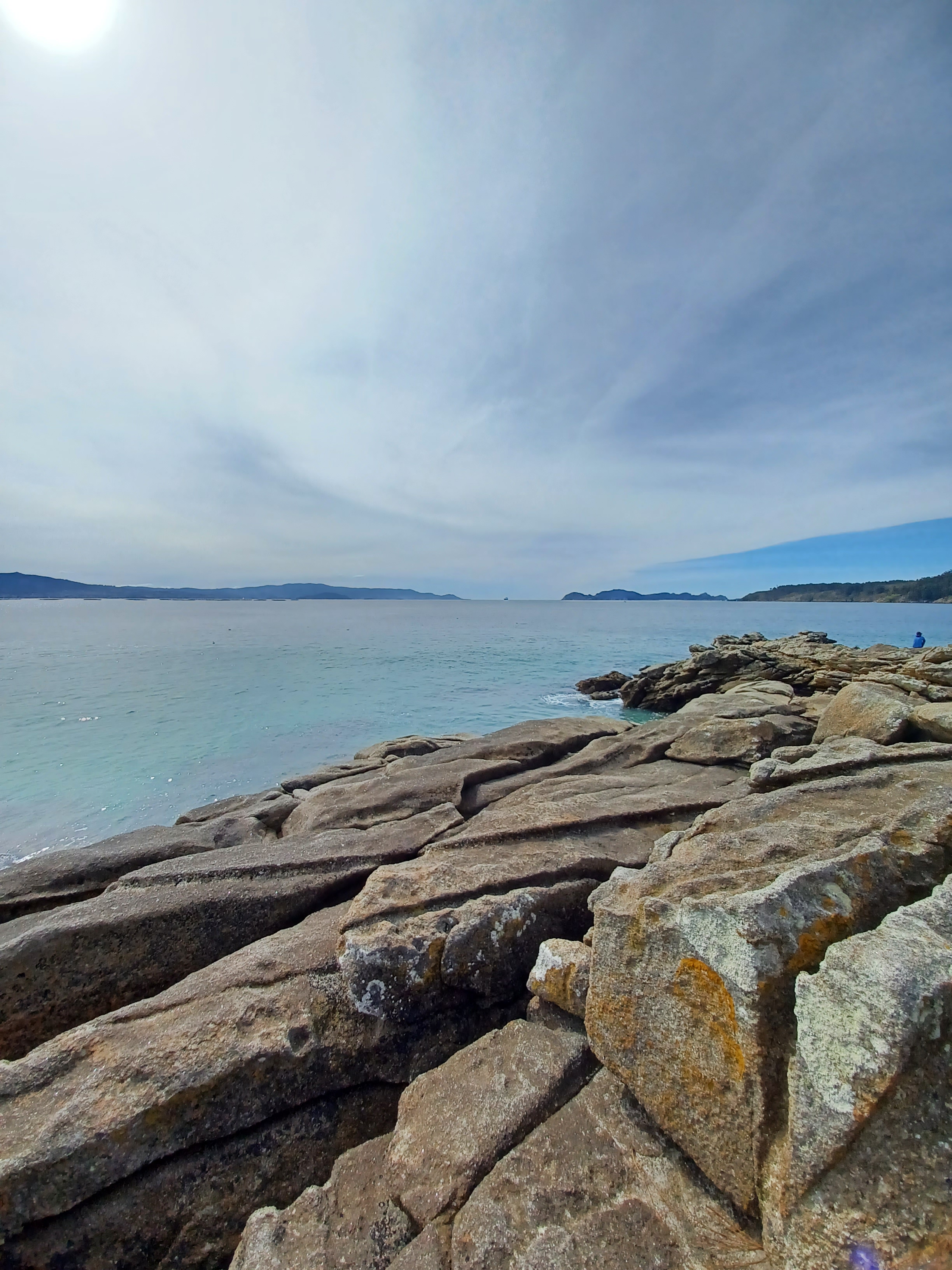
At some point, we stopped for lunch on a rocky ledge that overlooked the whole coast in every direction.
And we found O Facho de Donón. It is an old roman sanctuary that is part of an ongoing excavation of a large castro.
This is where we turned our path to circle back. We repeated the same path back through Donón, then turned inward, away from the coast, to skip the peninsula and head back to the car. If you follow me on Strava, be sure you dont repeat my path unless you have thick pants and solid hiking boots. This inland path was a trail for jabali. My friend suffered a bit and said we were going “como cabritas” which has been an ongoing joke since.
I am not sure how it is possible that we somehow had to go up so much to go down. The path back down the mountain was at least a third uphill. My legs were a bit dead by then.
Round trip was a little over 17km, and took almost 5 hours with exploring the castro and taking lunch. We made it back to Playa Nerga with little time to spare. We watched the sunset before heading back to the car.
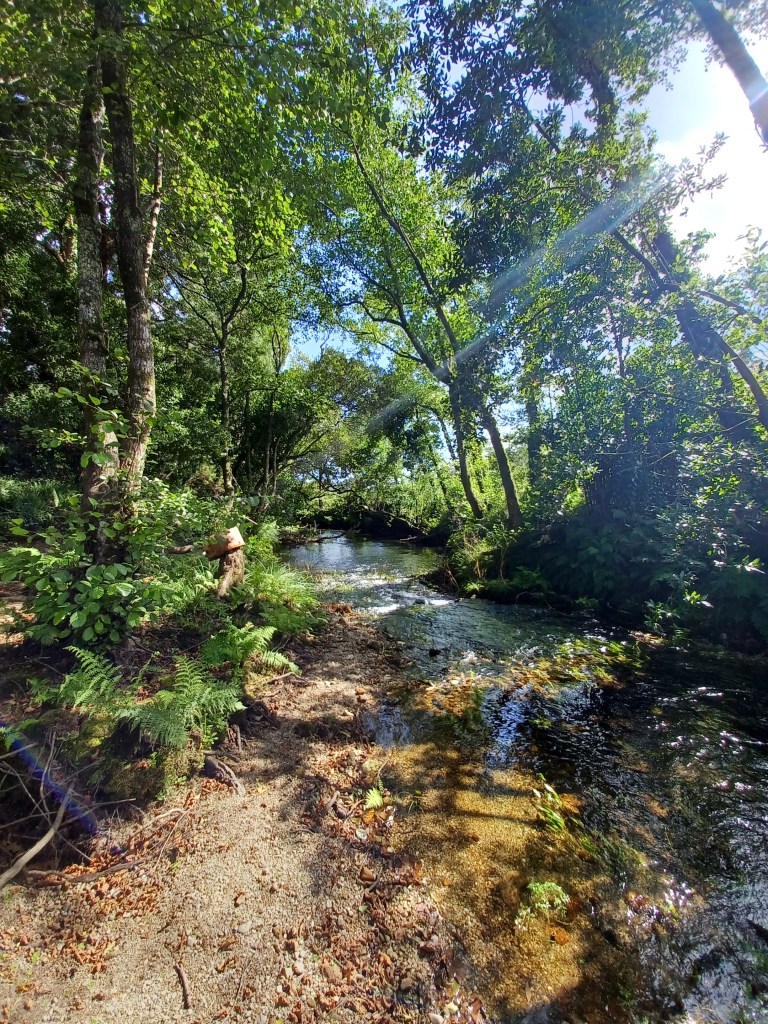
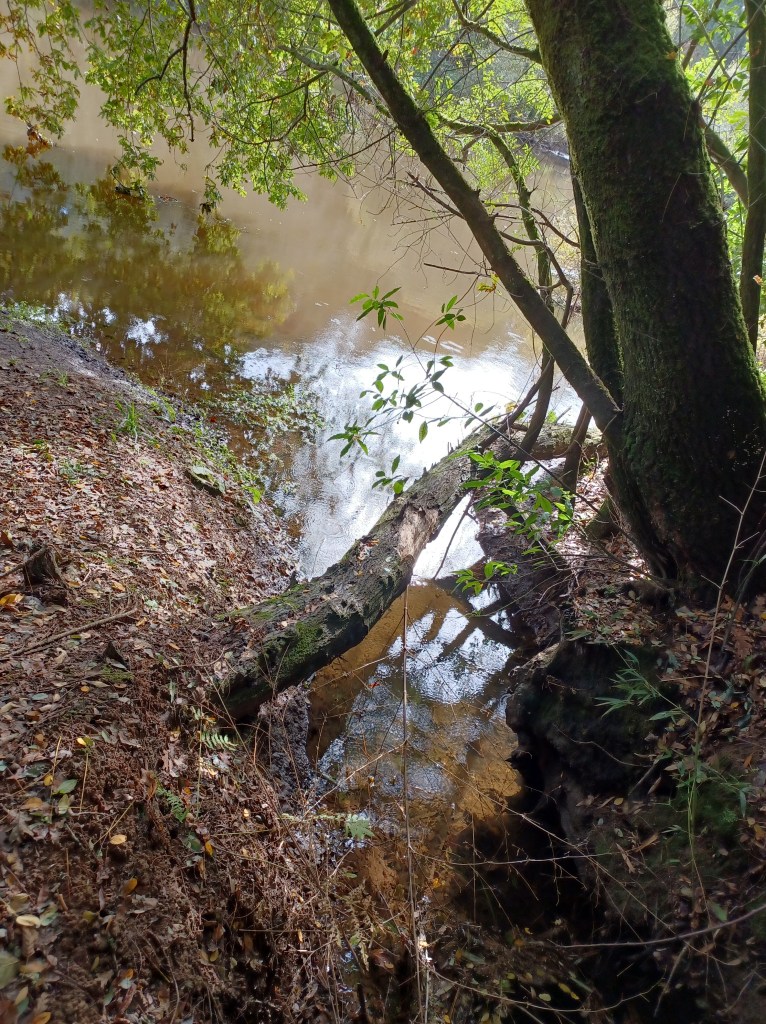
This was a long walk near of the river Ulla. I think it was between 18 and 20 km in a straight line along the river. This route passed by the Areal de Barres on the opposite bank of the river. After more than a month of gray skies and rain almost every day, warm sun and blue skies begged for an adventure.
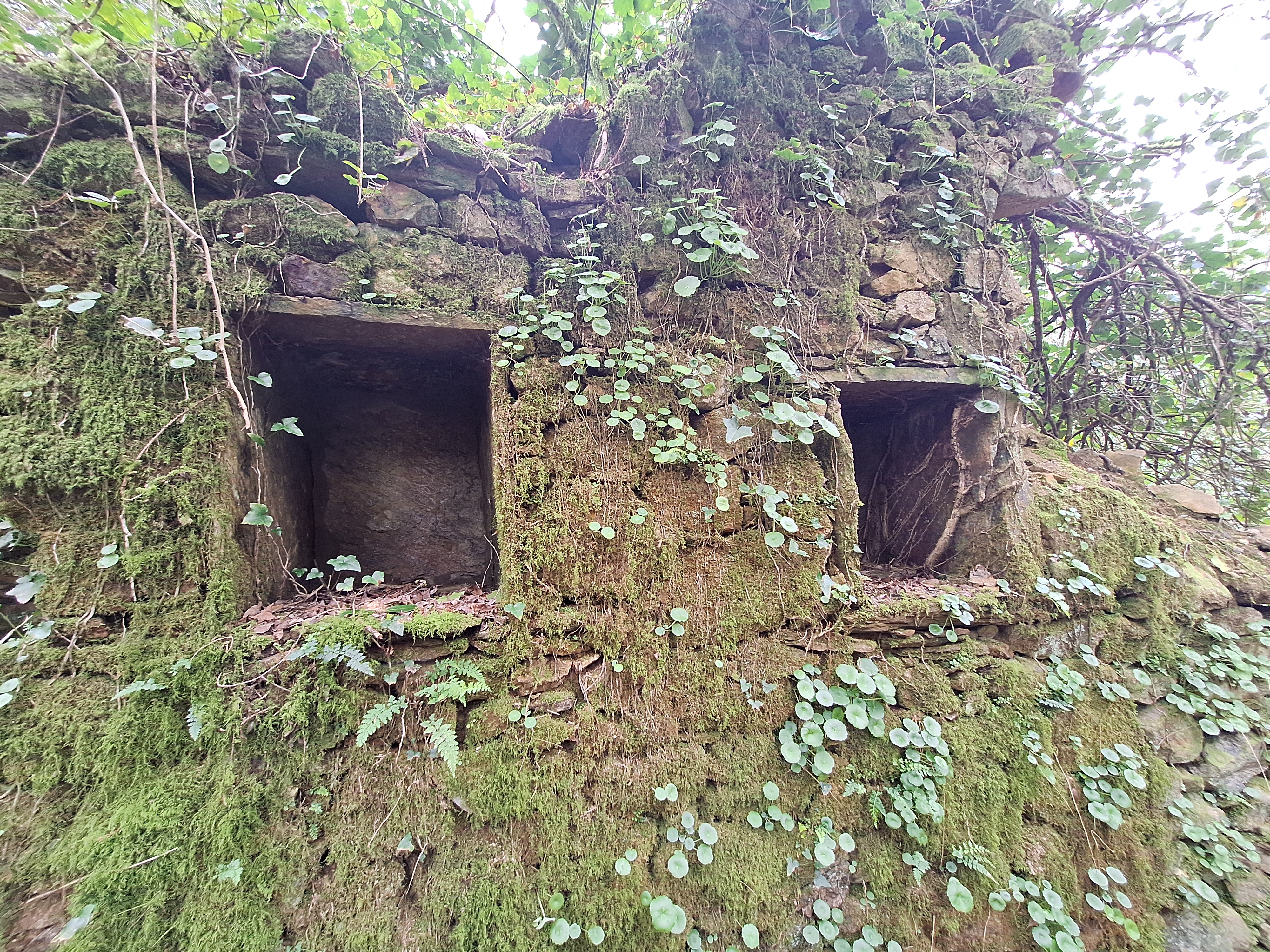
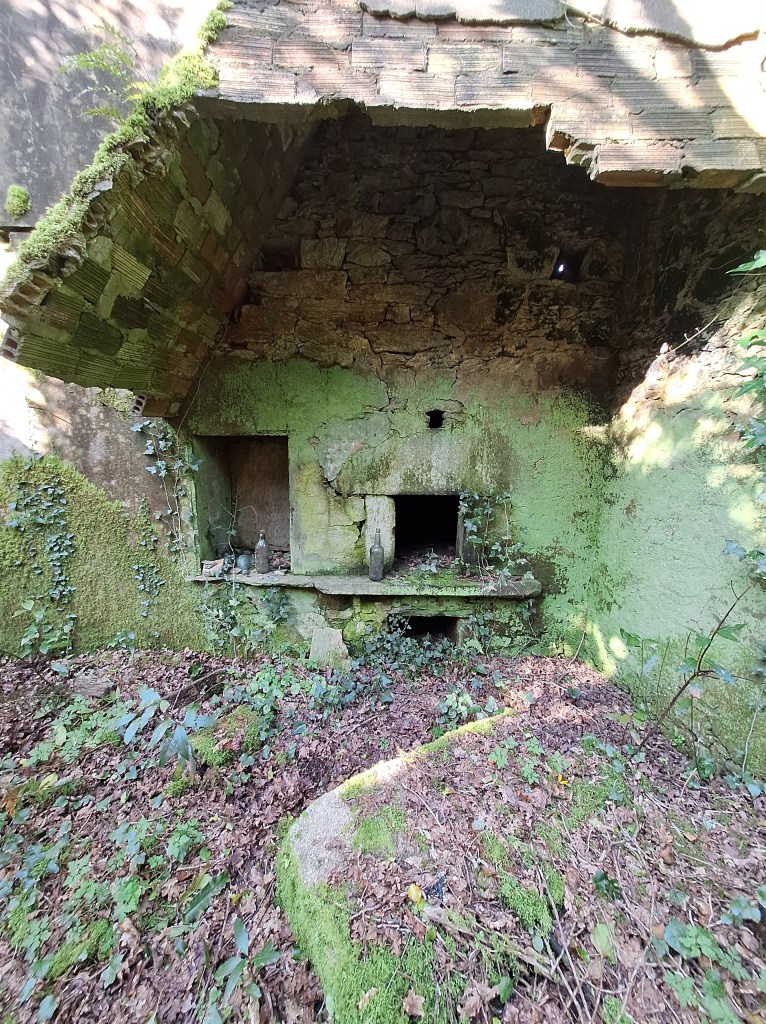
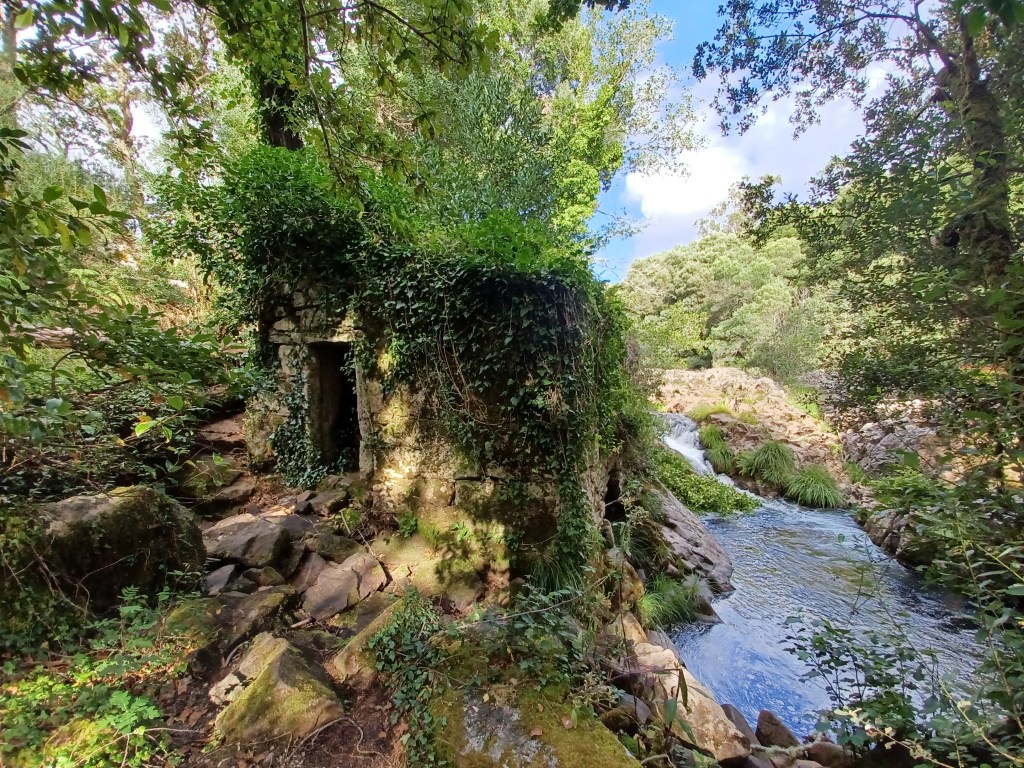
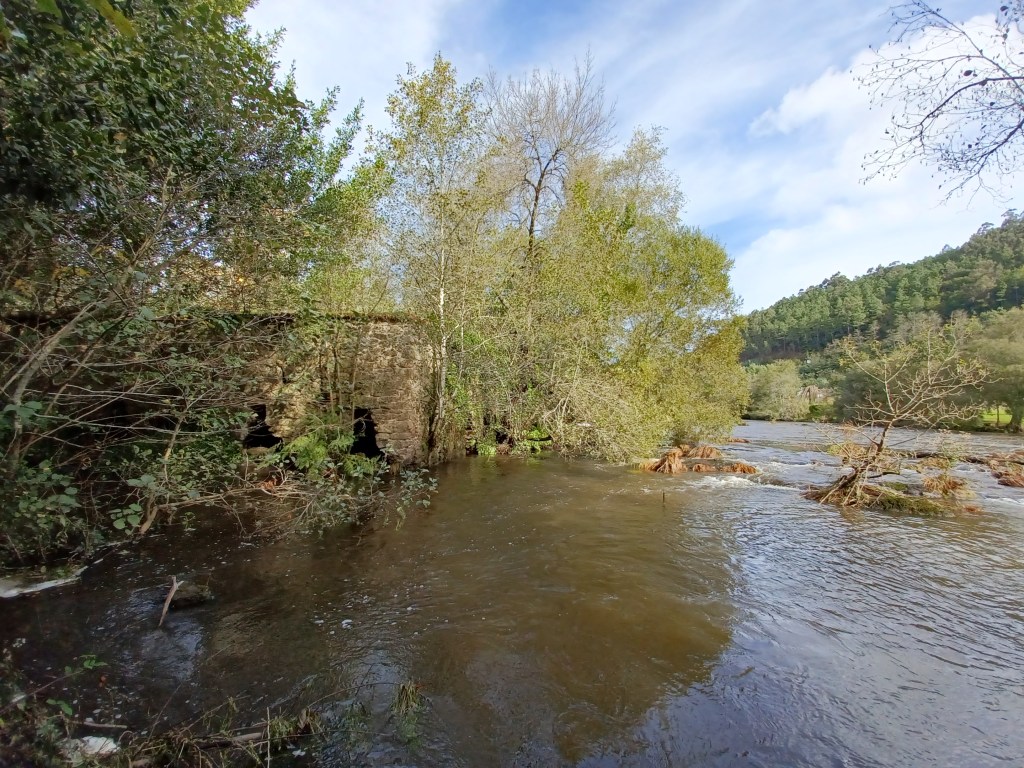
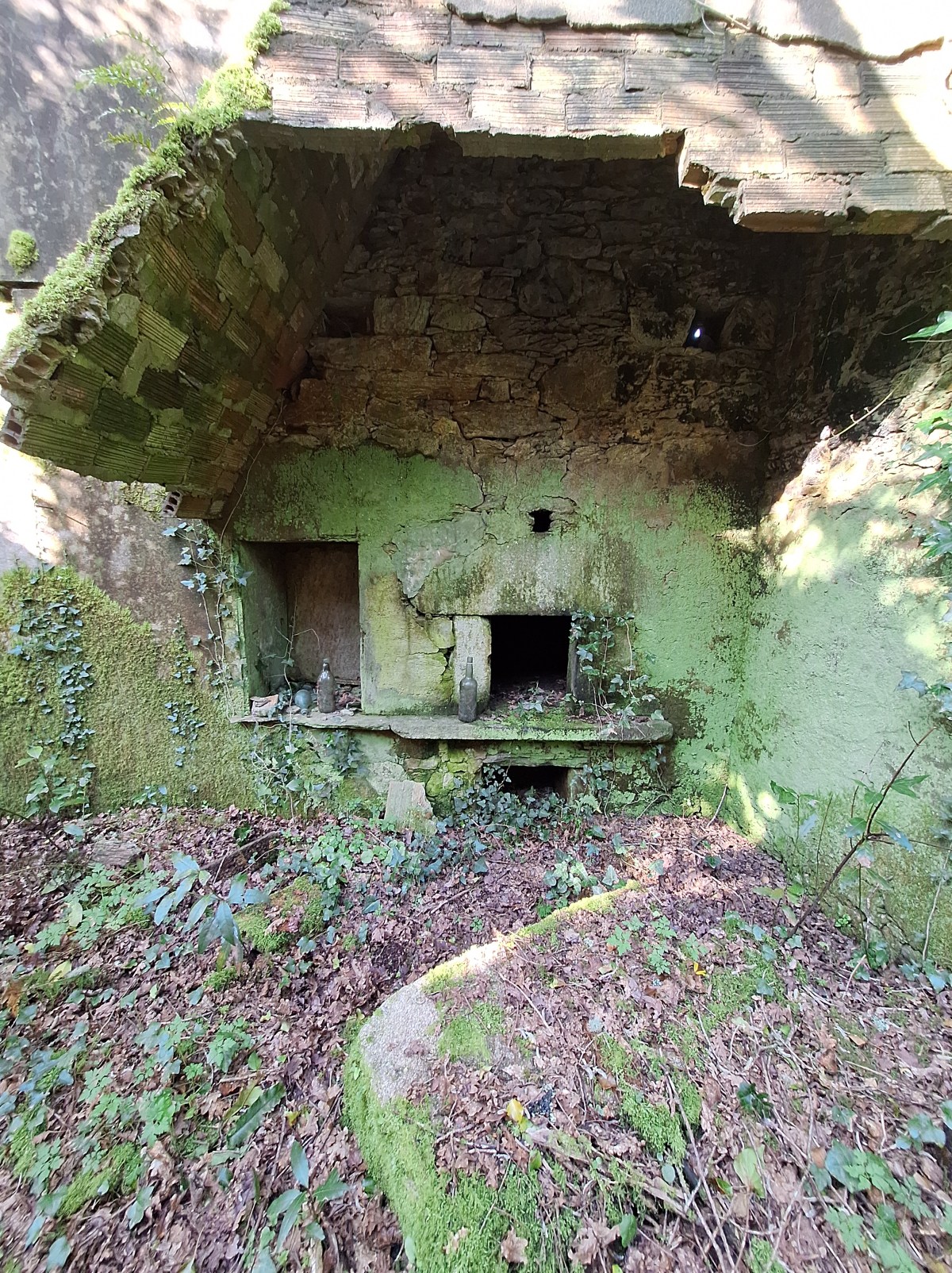
I dropped into the path near of some country homes, and went straight to this abandoned mill near the river. The water was very high and fast in the rainy season.
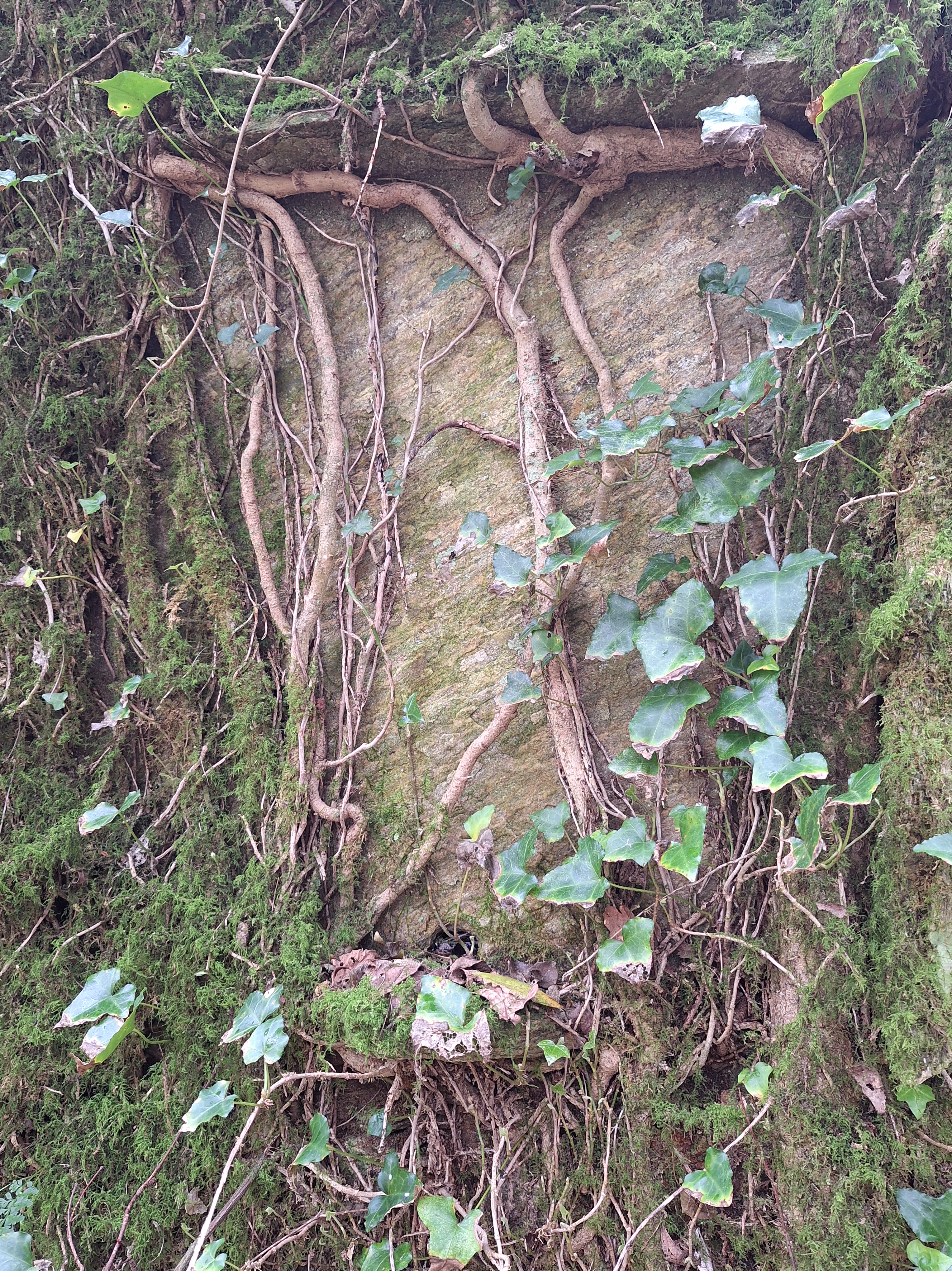
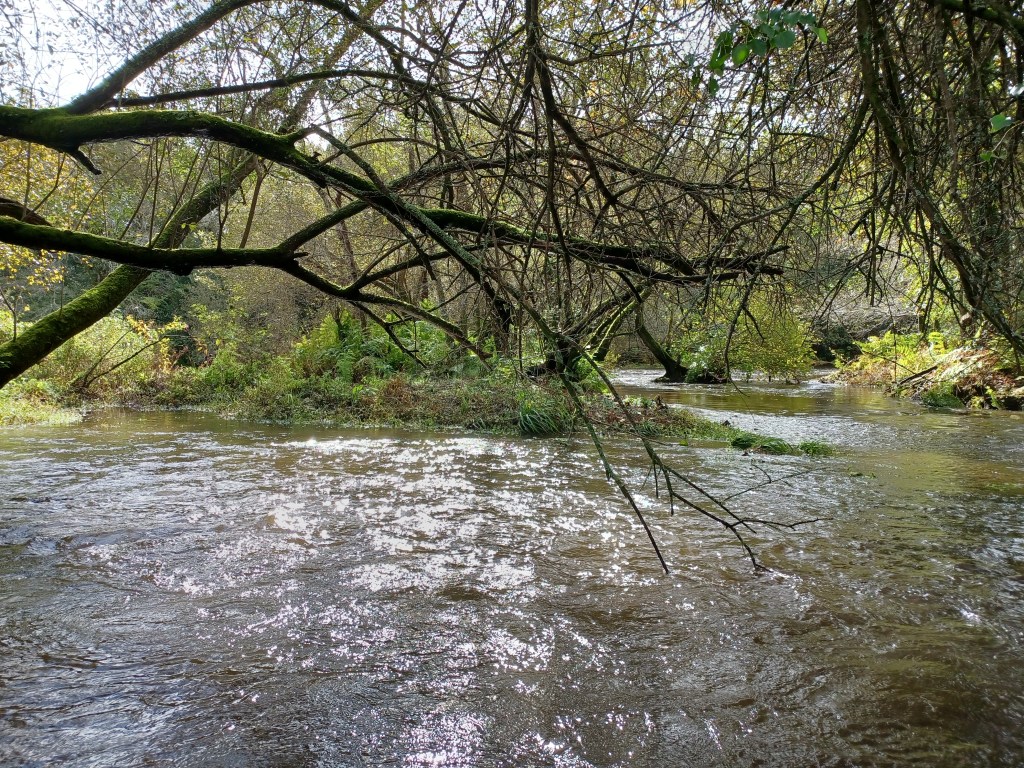
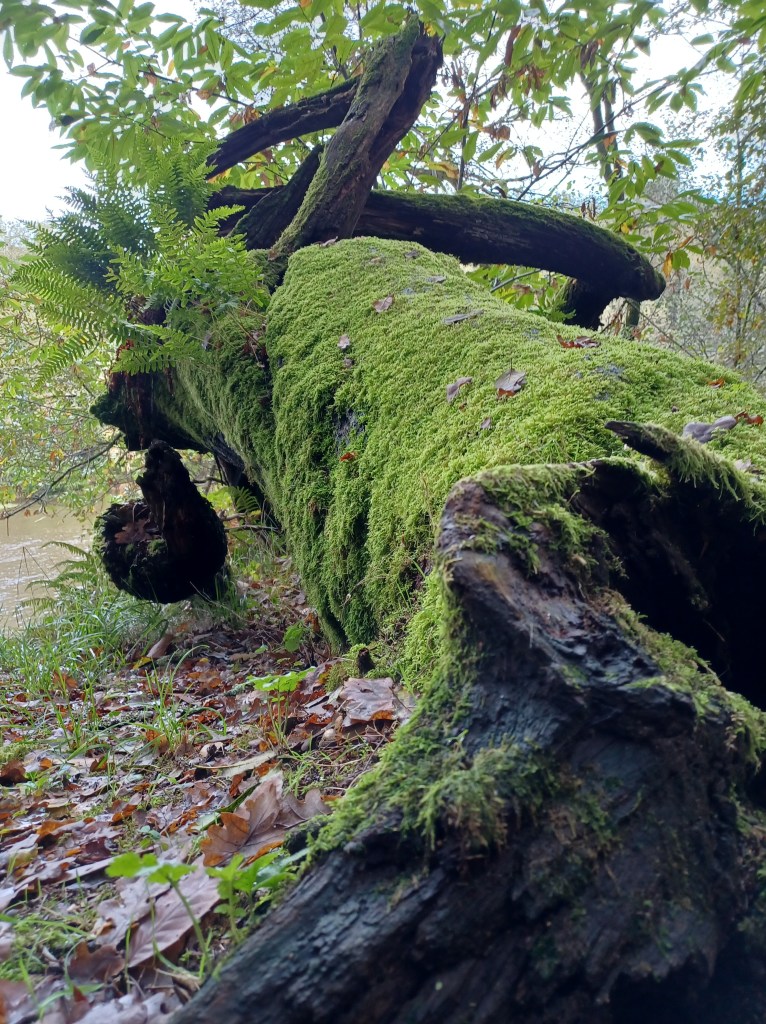
Okay but really, how beautiful is this tree. It looks like an old troll looking underneath. I love it so much.
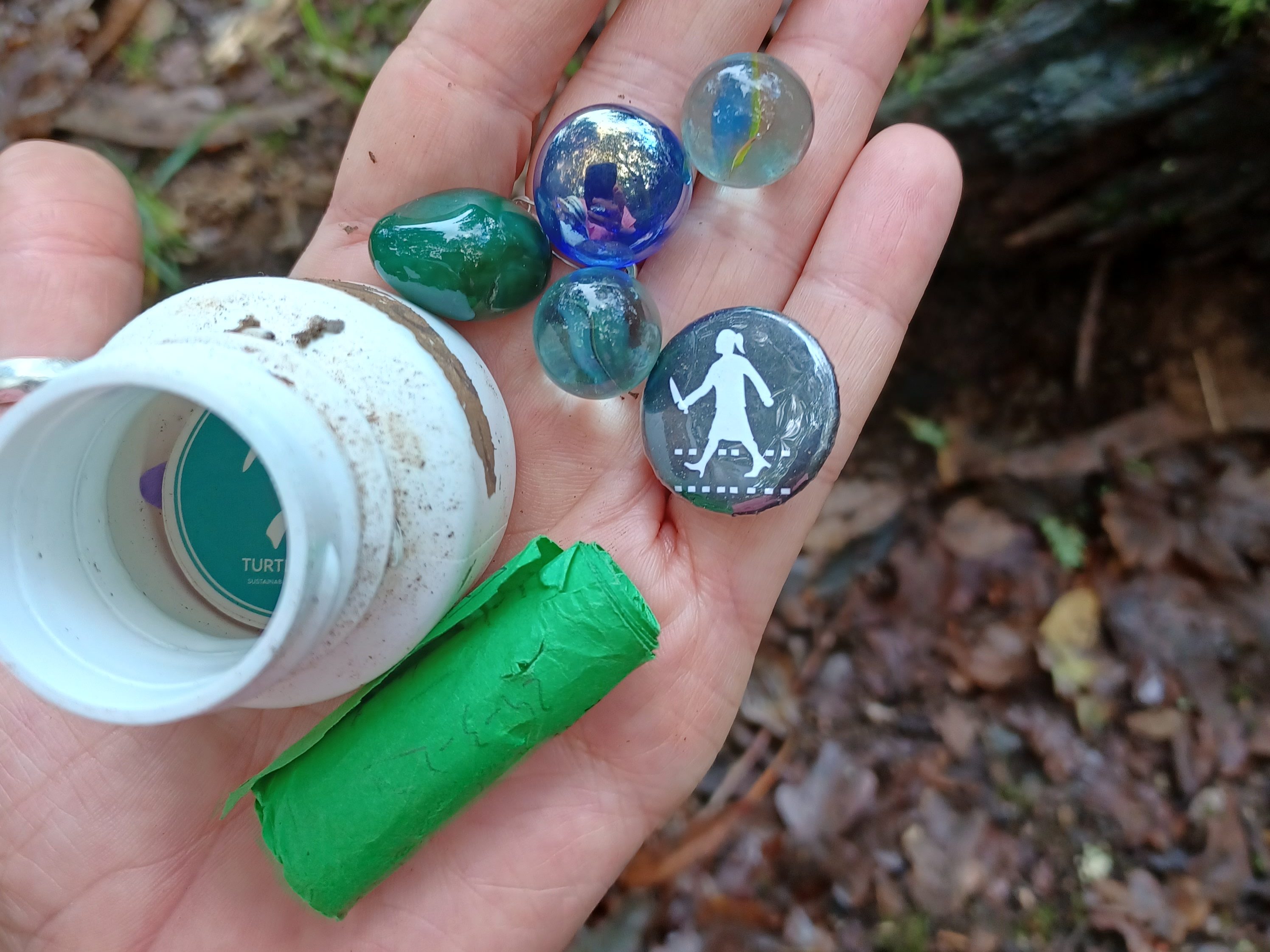
I found a cache today too! I guess someone else thought this space was just as beautiful and perfect that they could hide a reward
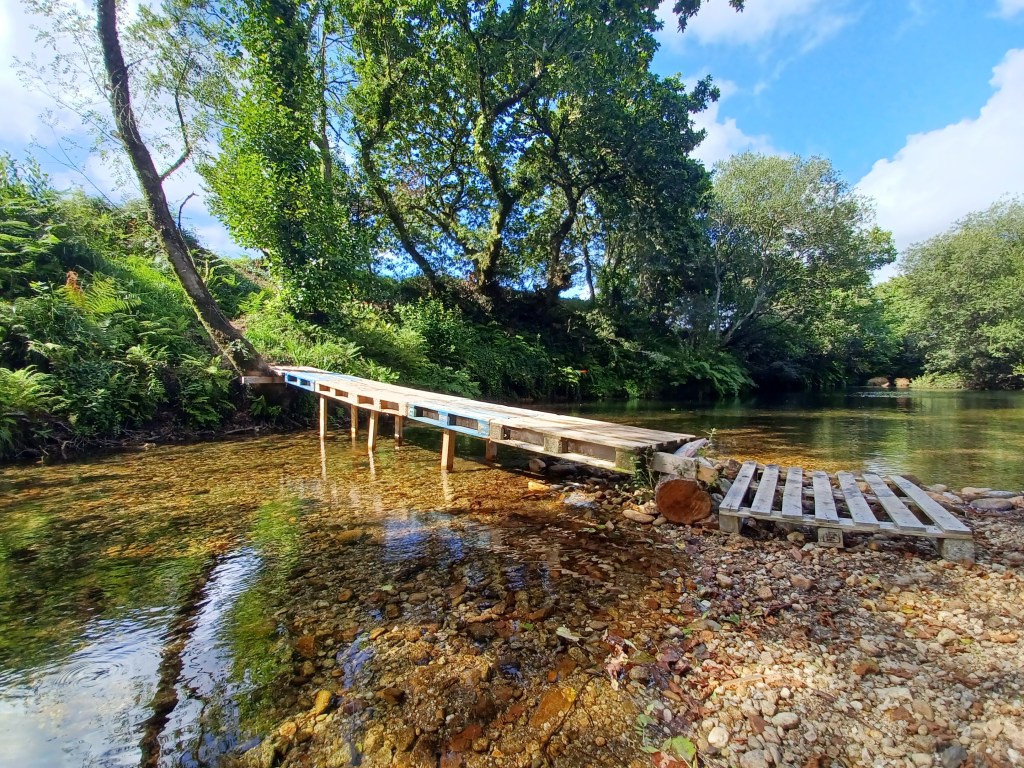
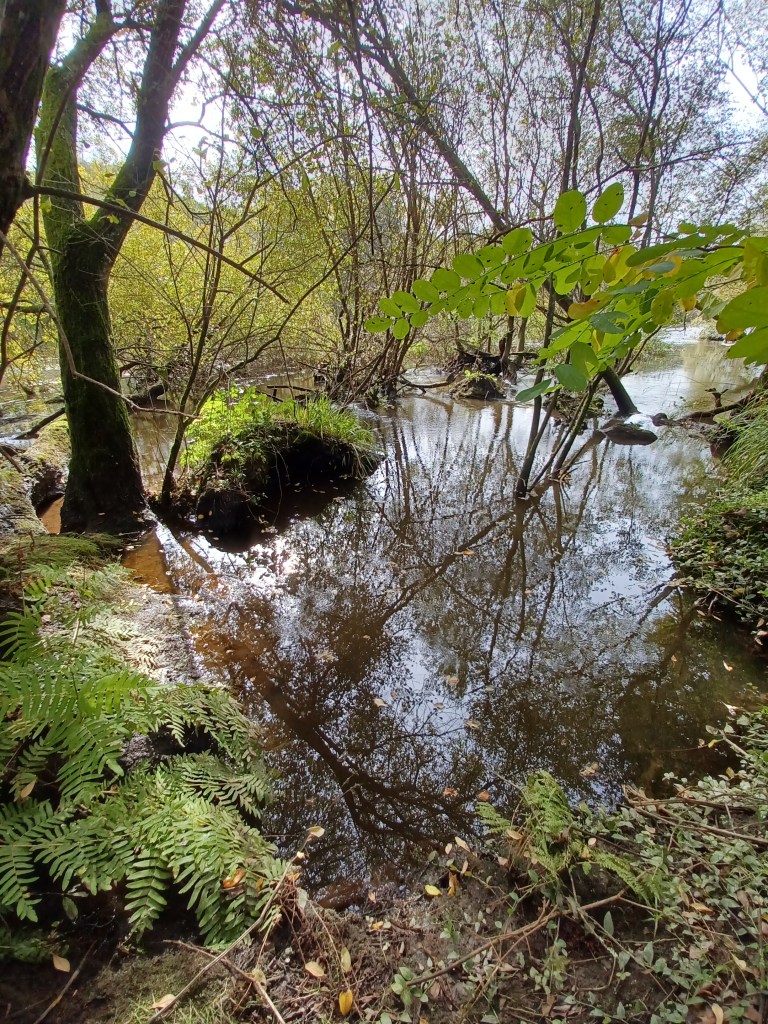
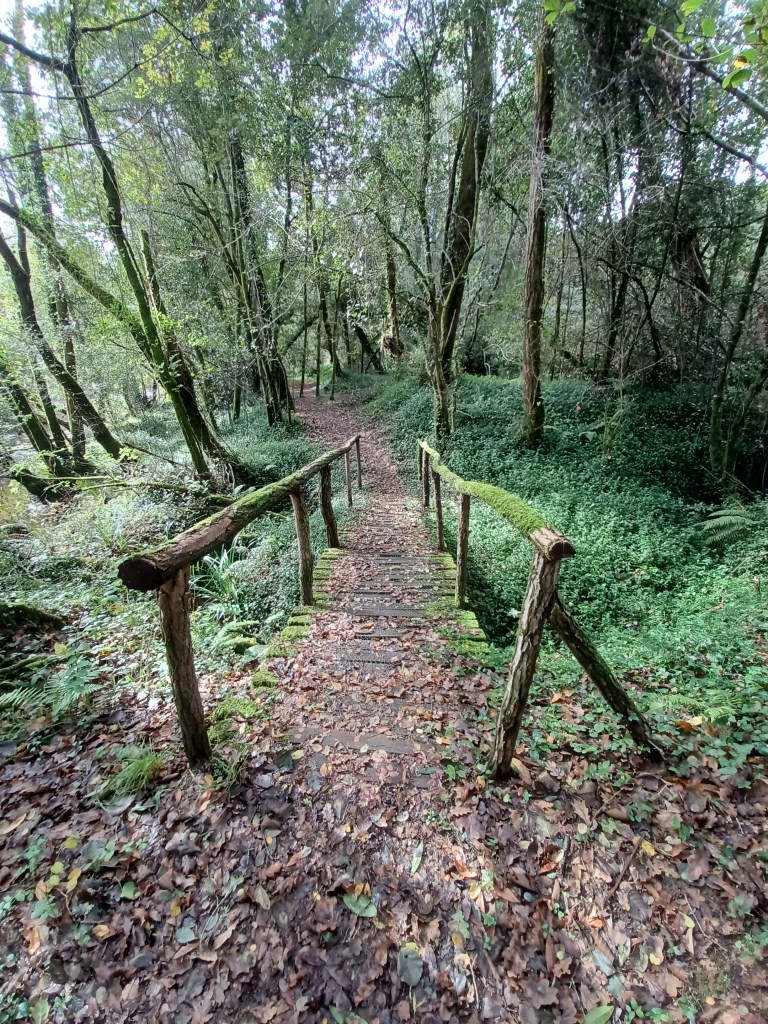
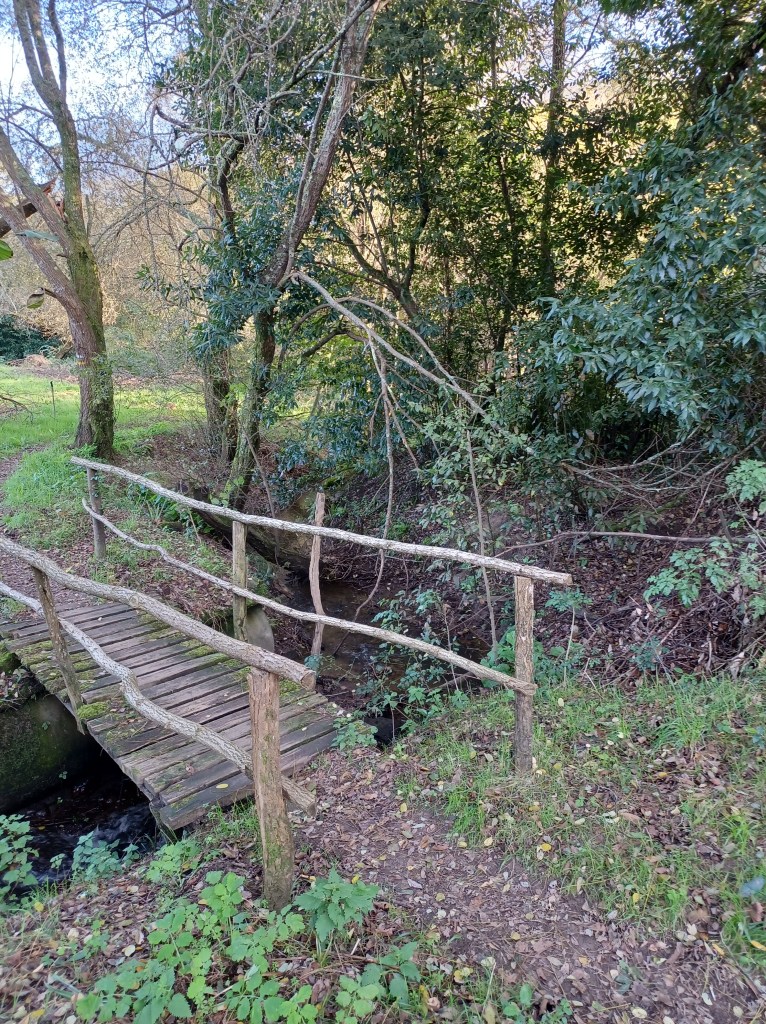
There were streams coming from the river that you could cross on these small wooden fairytale bridges.
And I made a friend.
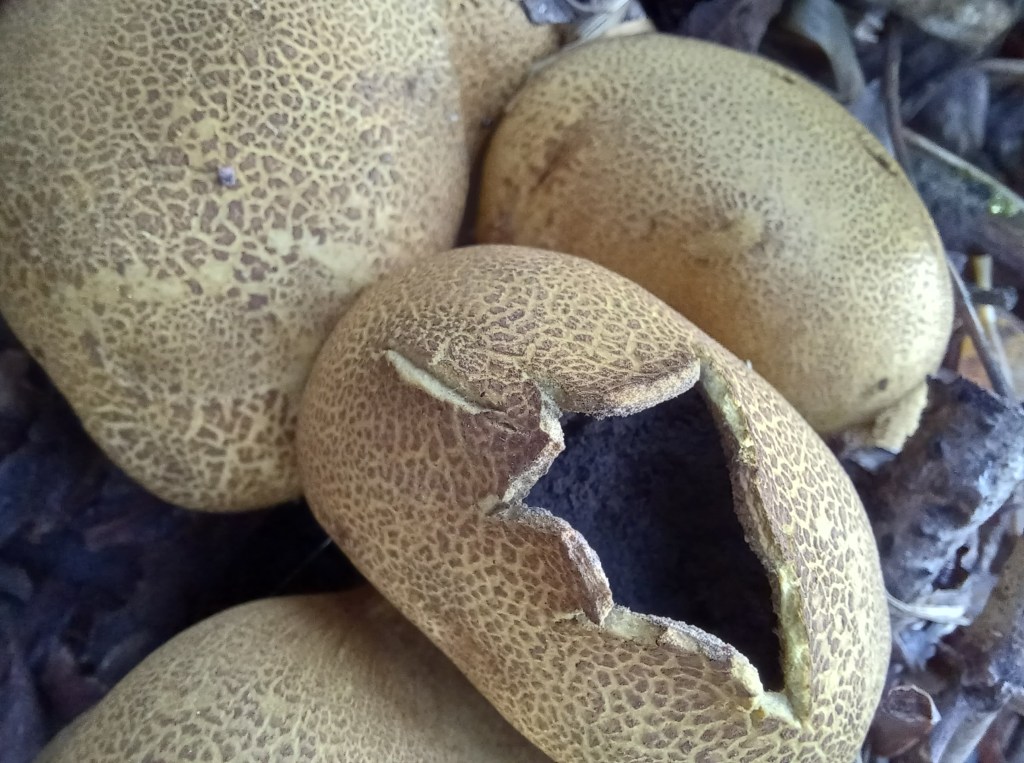
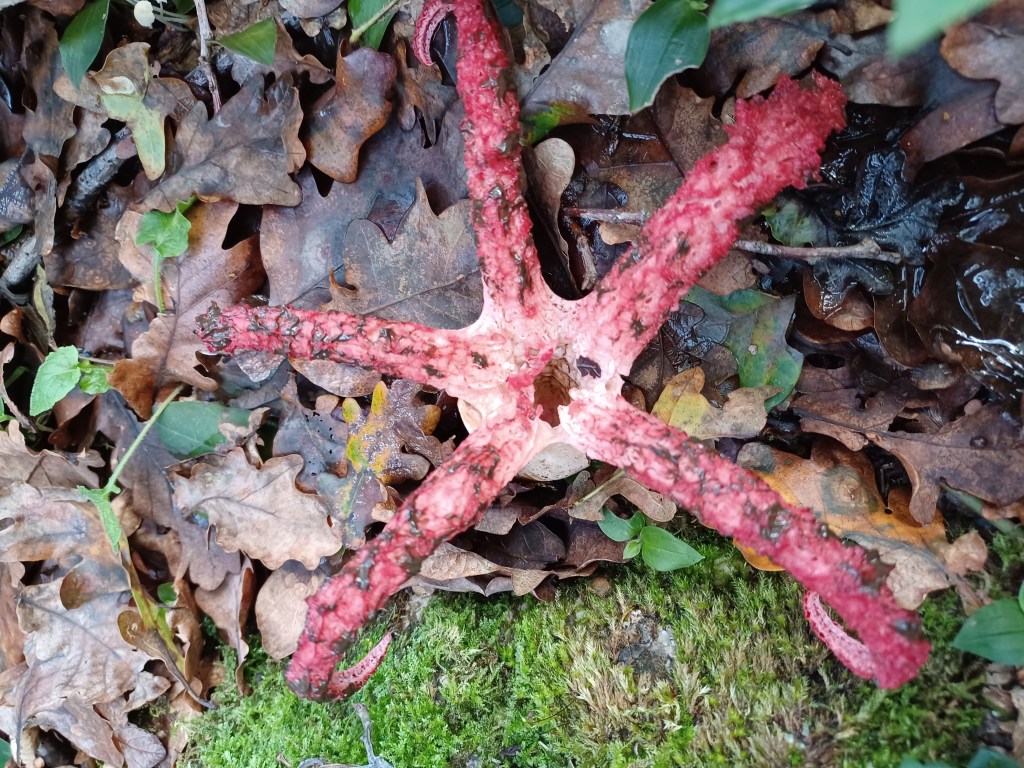
Today´s special adventure was visiting with all of the mushrooms and fungi of galicia. I hear a lot of people here go foraging for various mushrooms in the fall, so I purchased a book for identifying the Setas. Unfortunately, they were all in only two categories of seta. One type was ¨do not eat¨ and the other was ¨You can maybe eat, but it looks like one you cannot eat, and you cannot tell by this photograph which one, so do not eat.¨
Cautionary tale …
These guys are poisonous and contain some sort of black powder that I assume is also poisonous. The powder is fine, and if you are curiously poking it with a stick, you may send those spores flying. So don´t do that.
These guys are also poisonous. Instead of fancy spore pouches, these smell like rotting corpses. The smell is not so strong unless… you step on it… and it gets worse if you get curious and decide to get close and poke it with a stick.. So don´t do that.
This is a short and easy hike with nice views. Not a lot to say about it. I was only out for two to three hours round trip. But it was a pleasant visit if you’re in the area. If you are interested in the route, you can see it on Strava.
By the shores of Gitche Gumee, By the shining Big-Sea-Water, Stood the wigwam of Nokomis, Daughter of the Moon, Nokomis. Dark behind it rose the forest, Rose the black and gloomy pine-trees, Rose the firs with cones upon them; Bright before it beat the water, Beat the clear and sunny water, Beat the shining Big-Sea-Water.
H. W. Longfellow, Song of Hiawatha
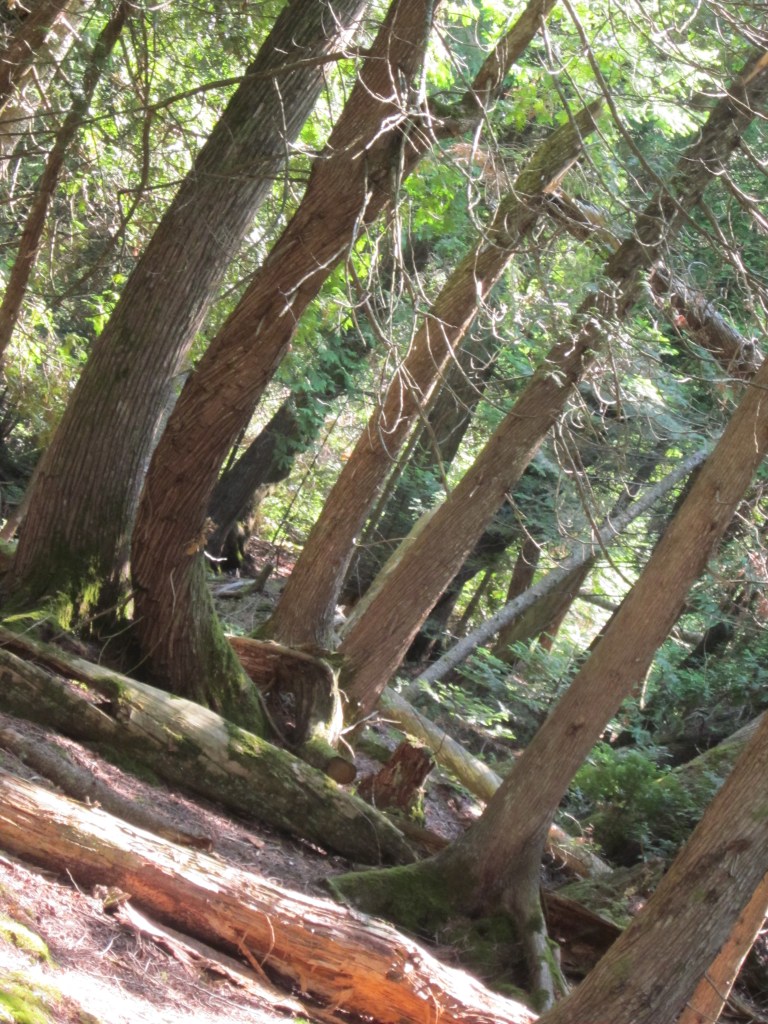
This trip had a special significance for me. Growing up 1,483 miles from this place, my grandmother would read an excerpt of Longfellow’s Song of Hiawatha at bed time. She had never been here and I never knew it was a real place. I thought Gitchee Gumee [Gichigami] was a made up land filled with magic and fairies. But this little bit of verse stuck with me. And I have to say, this is the most fitting description imaginable. This is a place where the darkest, tallest forests meet the open water. Memories of sipping tea with my grandma while she read this as a bedtime story kept me smiling the whole weekend.
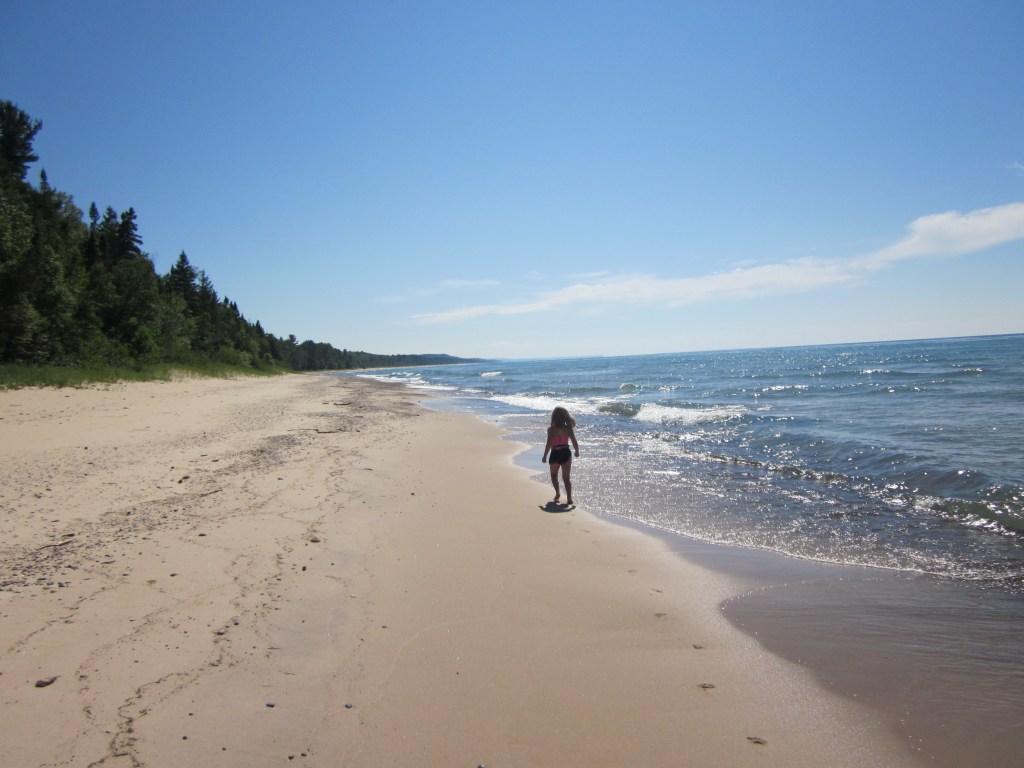
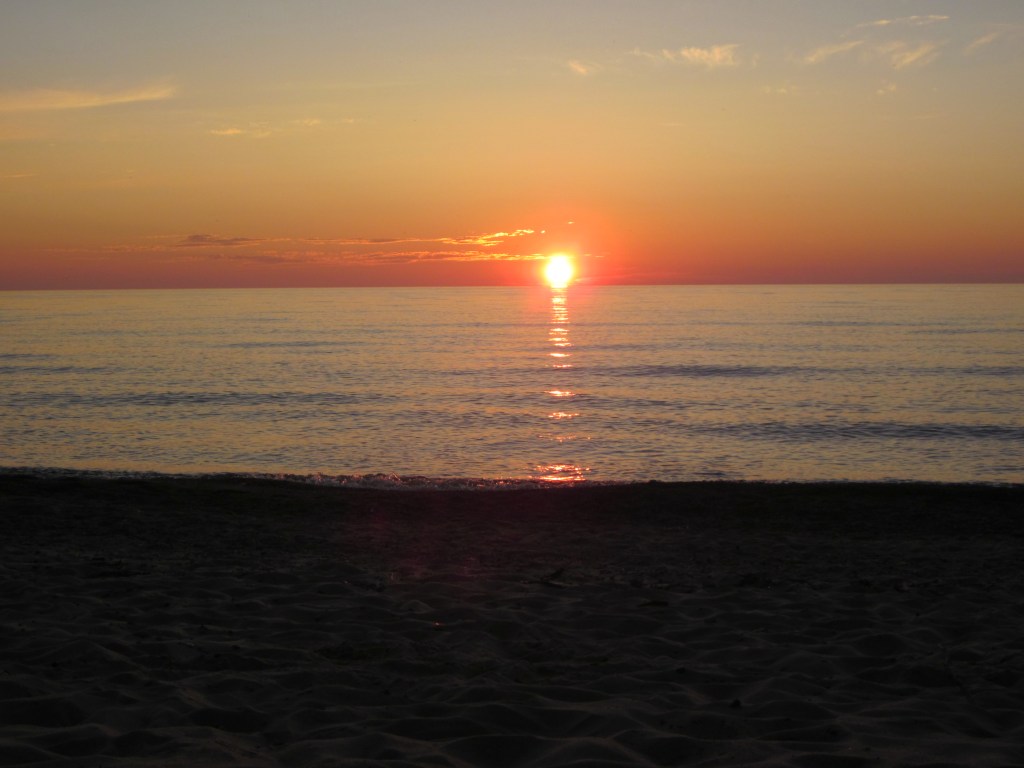
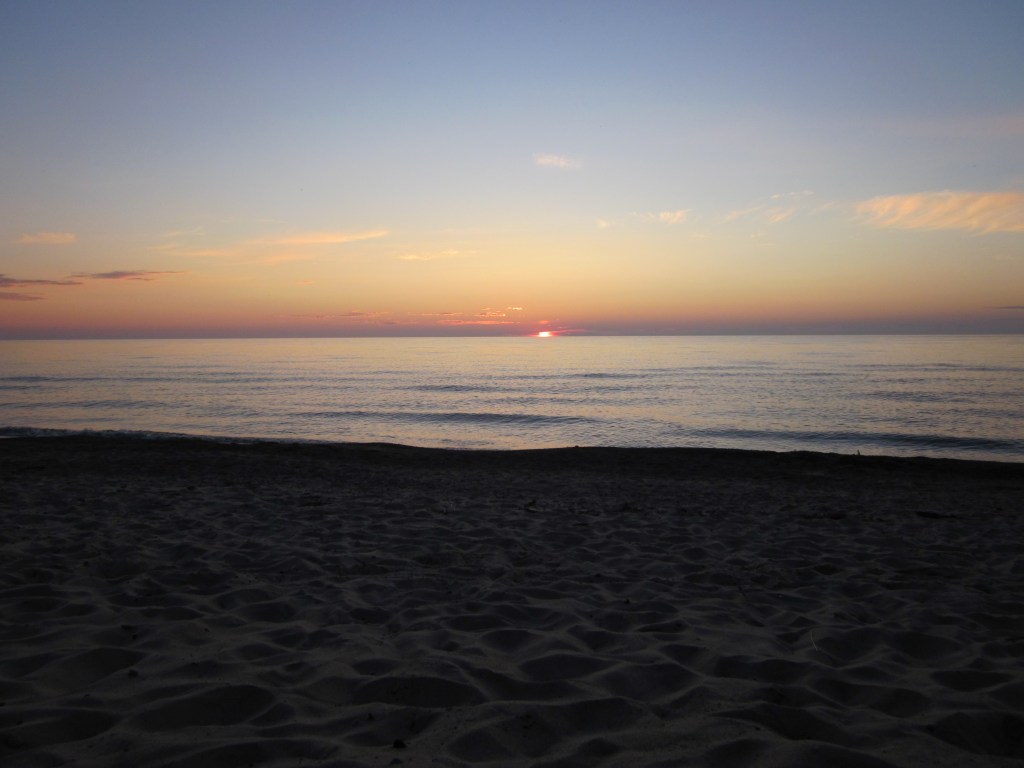
It was a long drive, but worth the trip. We left early and made it in time for a little walk on the beach before watching the sunset.
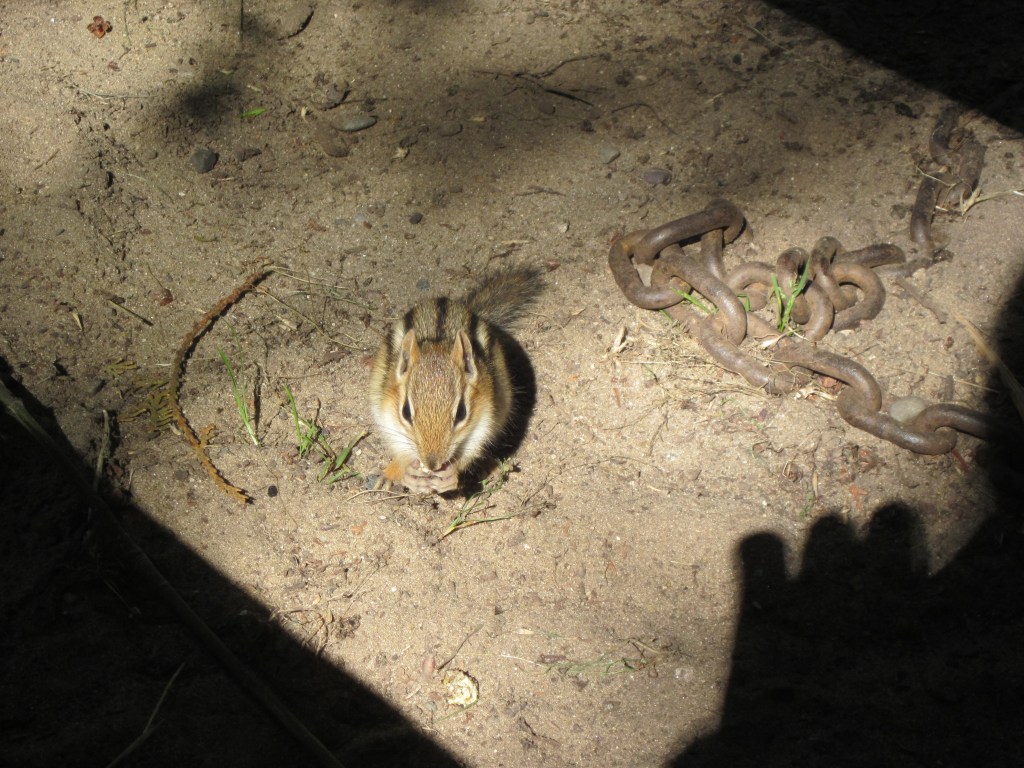
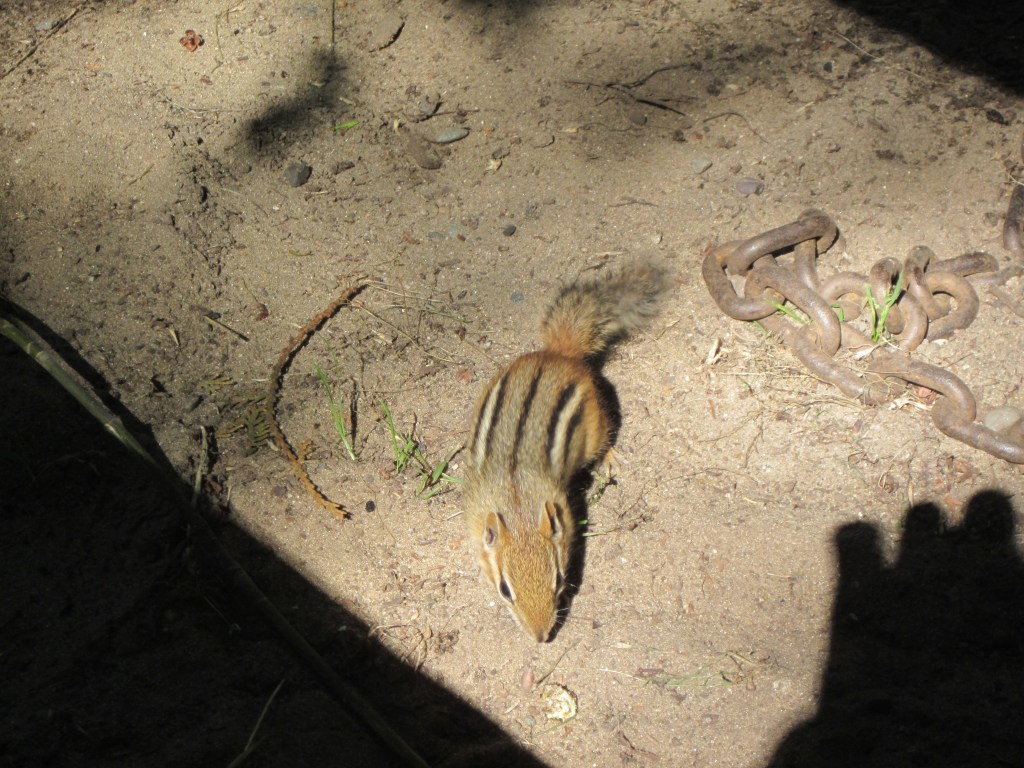
The campsite was, humorously, plagued by chipmunks. They woke us up scratching the walls and running under the loose edges of the tent. Firmly against the active feeding of wildlife, but these little guys are persistent. While we did not give them food, any dropped crumbs were swept away quickly.
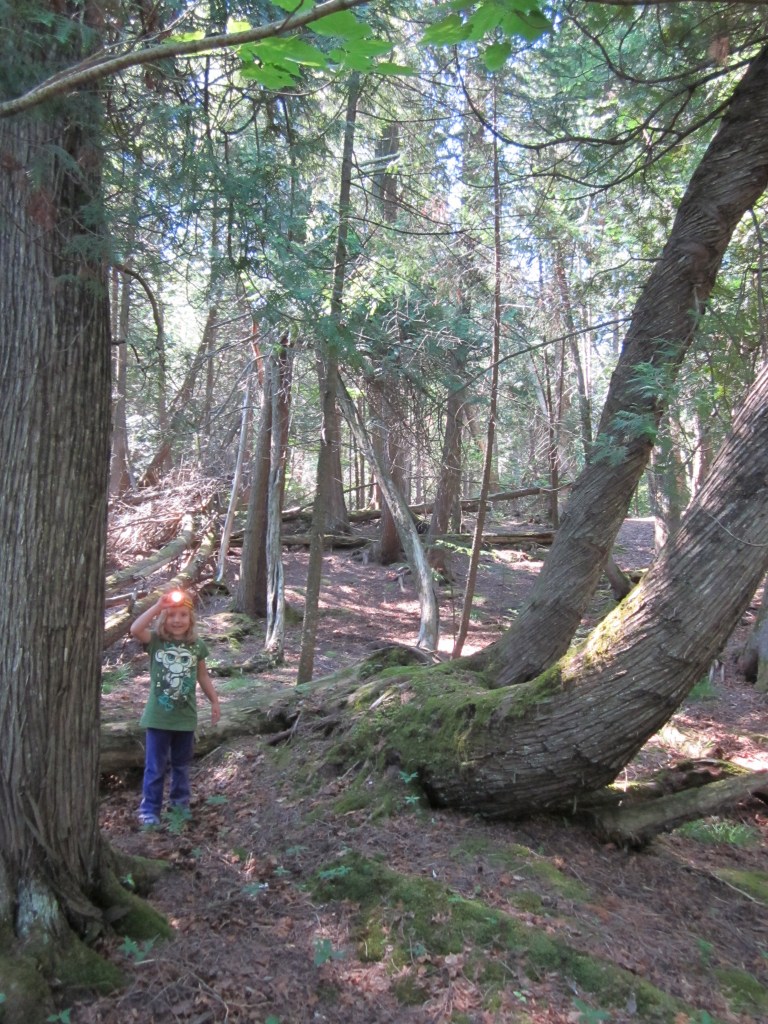
A quick walk around the campground before the main adventure in this beautiful forest.
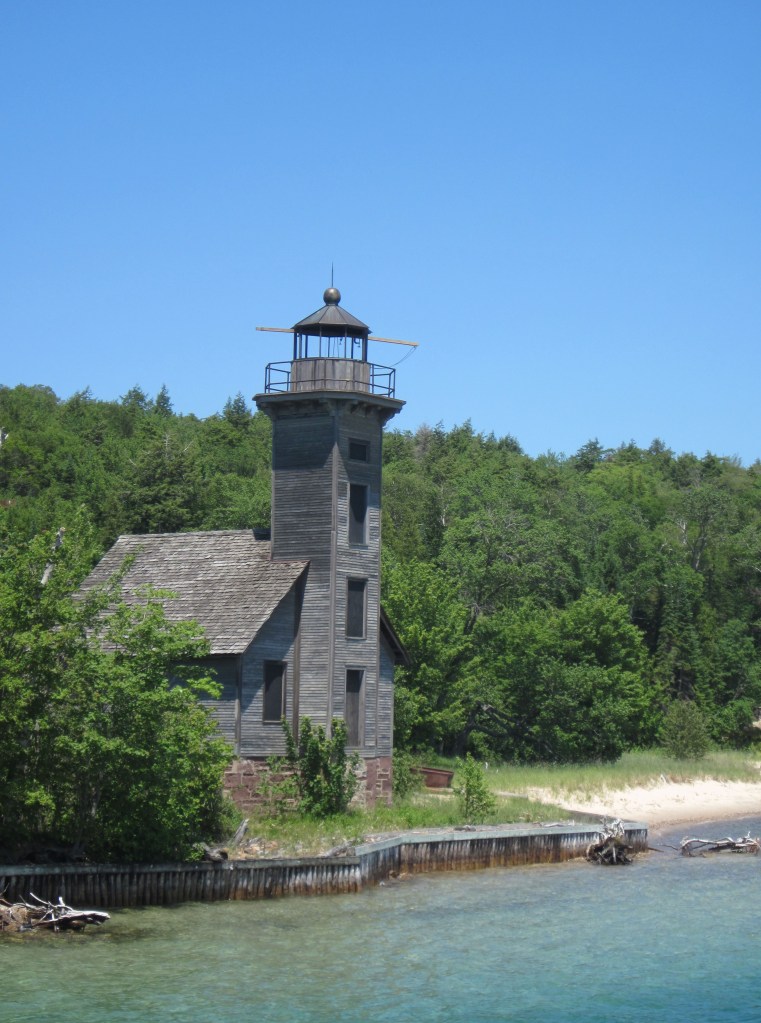
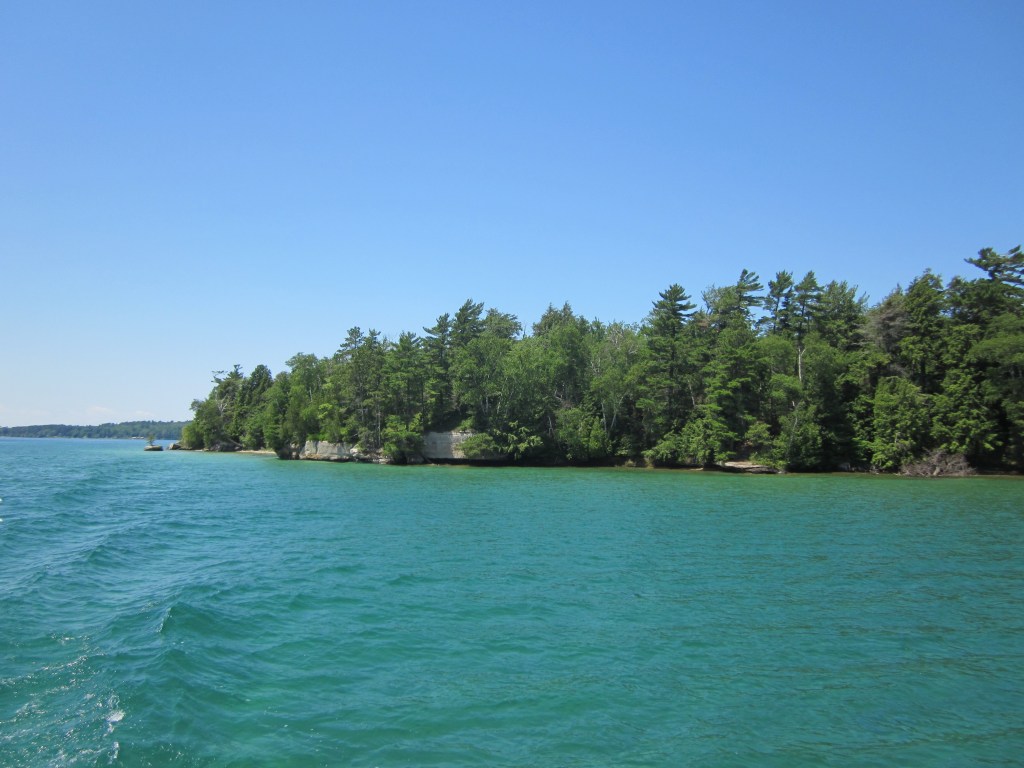
And next up was the shipwreck boat tour across Lake Superior. The extreme weather conditions of Northern Michigan are largely responsible for the vast number of shipwrecks in this area. And because the water is so cold, bacterial growth is inhibited and the wrecks are well preserved. Add to this relatively shallow water in this area and you have an entire underwater shipwreck museum. The views from the boat tour were spectacular.
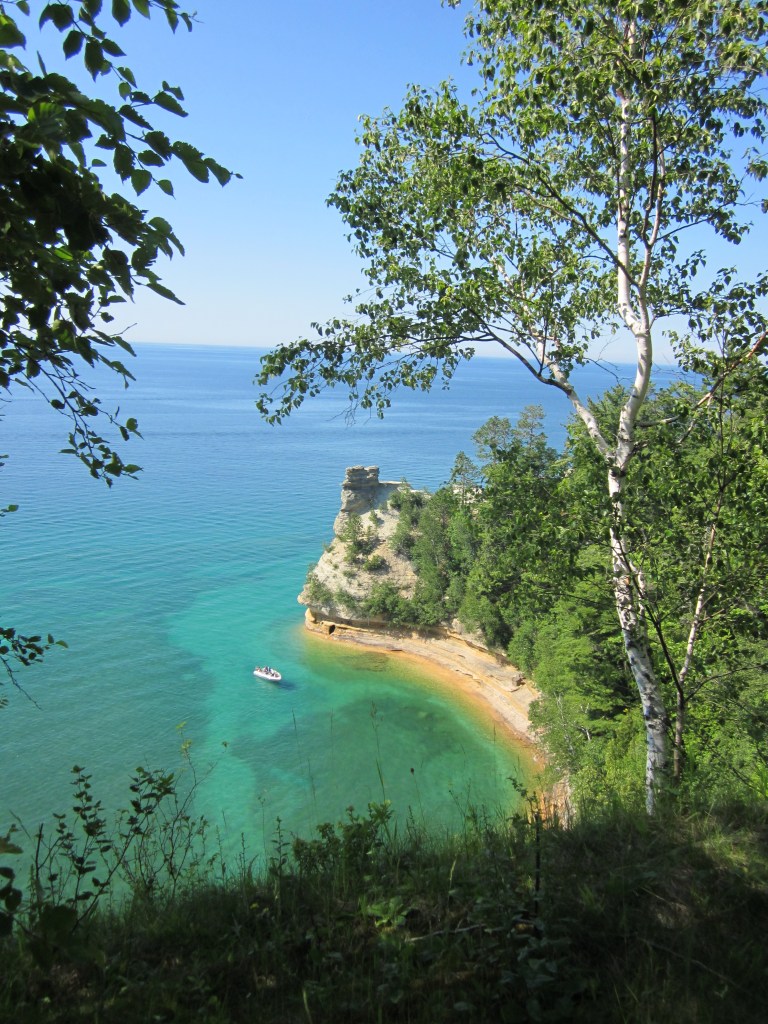
And time for a little more hiking! Here is the obligatory photo of Miner’s Castle! The must see location of every visit to Munising, Michigan!
Miner’s Castle, Pictured Rocks National Lake Shore, Munising, Michigan.
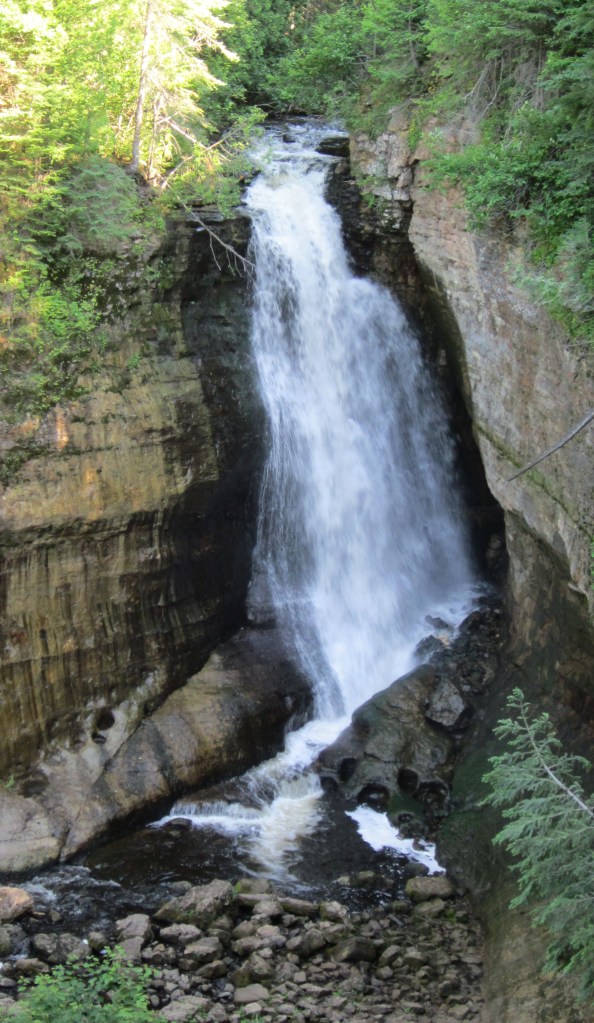
Miner’s Falls
Miiner’s Falls
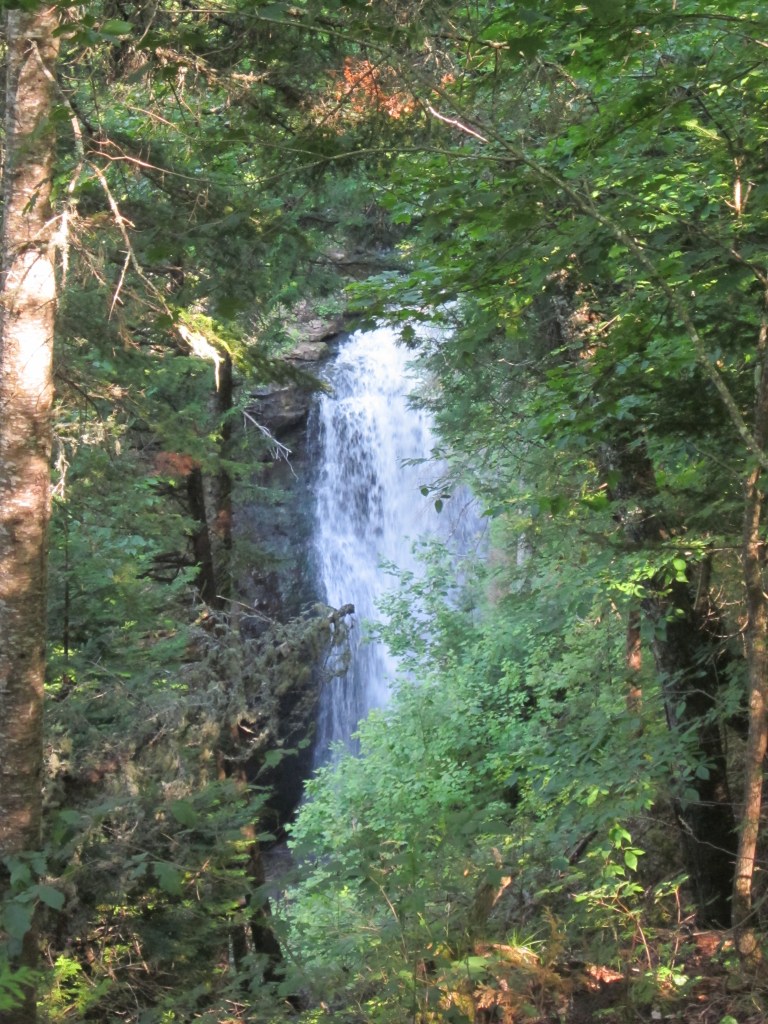
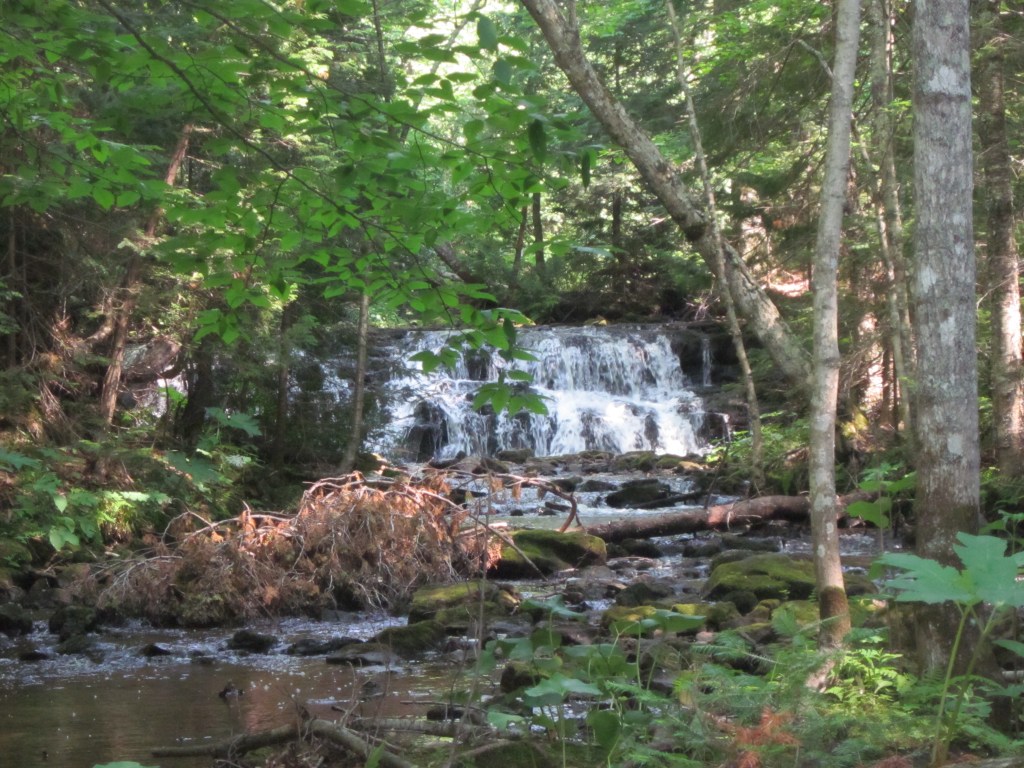
The next day was a short hike through Mosquito Falls. Waterfalls are not so common in Michigan despite the fresh water and rain. There just isn’t a lot of elevation change. So I was pretty excited to see so many falls in one place!
Northern Michigan, a cautionary tale...
We came back a little later in the evening after the boat tour and hike. The next morning, before hiking Mosquito Falls, some fellow adventurers walked into our camp asking if we could share some mosquito repellent. They said they were being harassed endlessly by bugs. This is simply something that has never happened in all of my years camping, so of course I obliged. Clearly they must be in need to ask a stranger and we had plenty. We left to hike the falls and did not find so many mosquitos. We even had a little laugh about them being tasty enough to lure the mosquitos away from us.
We returned in the late afternoon this time and discovered what had plagued the other campers was Michigan Black Fly. We were camping just in time for a major hatch. It was like something straight out of a horror movie. These things bite, constantly and hard. The flies followed us on the beach. We tried swimming in the cold water, but they would wait on the top of the water while we were under and would be on us the moment we emerged. We gave up and discovered they were also waiting on the clothes that smelled of us. The mosquito repellent was of no use.
Shooing them away as best we could, we dressed, and swatted and swatted some more. Returning to camp meant a walk past the trash cans and bathrooms. The sky was black with these biting monsters. I mean a literal black cloud. I told my daughter to wait for me to run through and then to follow just behind. I was hoping to distract them and break the cloud so she could pass safely. It didn’t really work. We ran as quickly as we could back to the car and locked ourselves in. Fortunately the flies did as flies do. They abandoned their quest for blood and attempted to escape through the closed windows. They did not bite us while trapped, so we waited there in the sound of their buzzing against the glass until it was dark enough that the flies were dormant.
We absolutely did not attempt to stay another night. We set our alarms so we could have breakfast and pack at the sunrise and hopefully beat the flies out.