
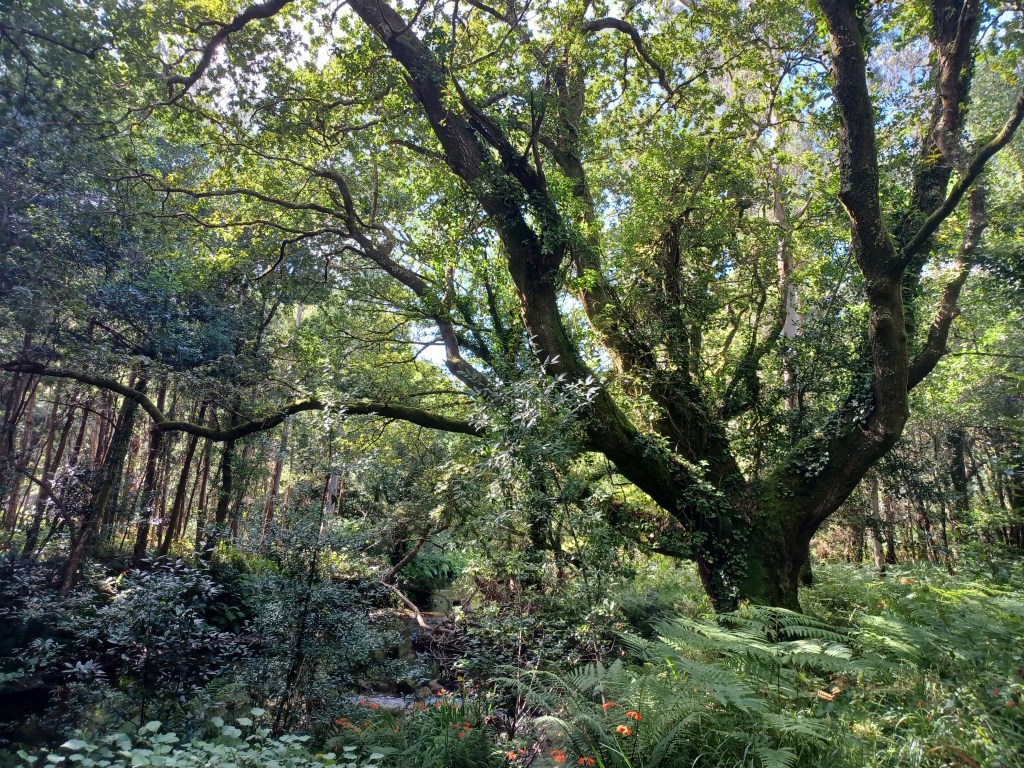
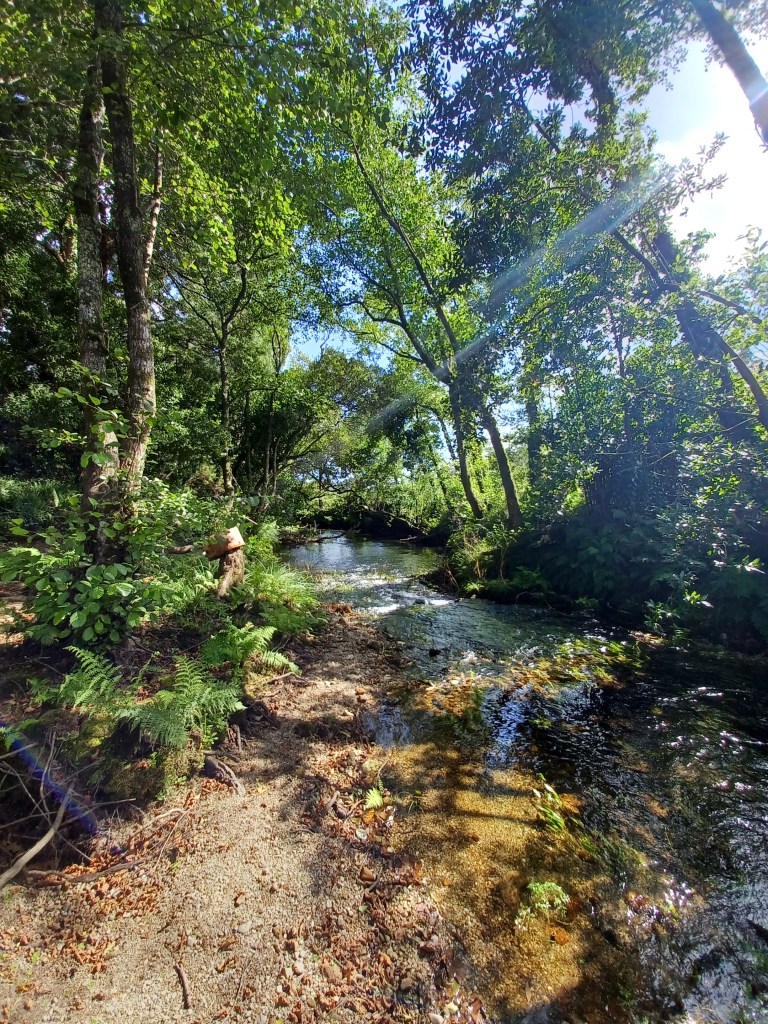
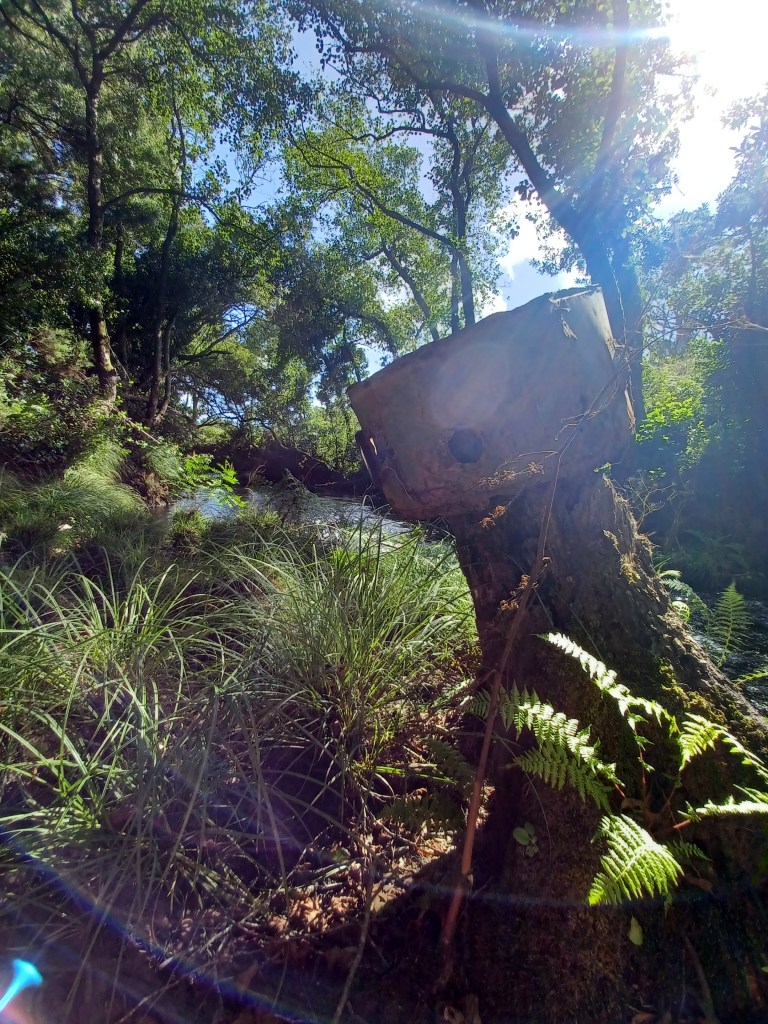
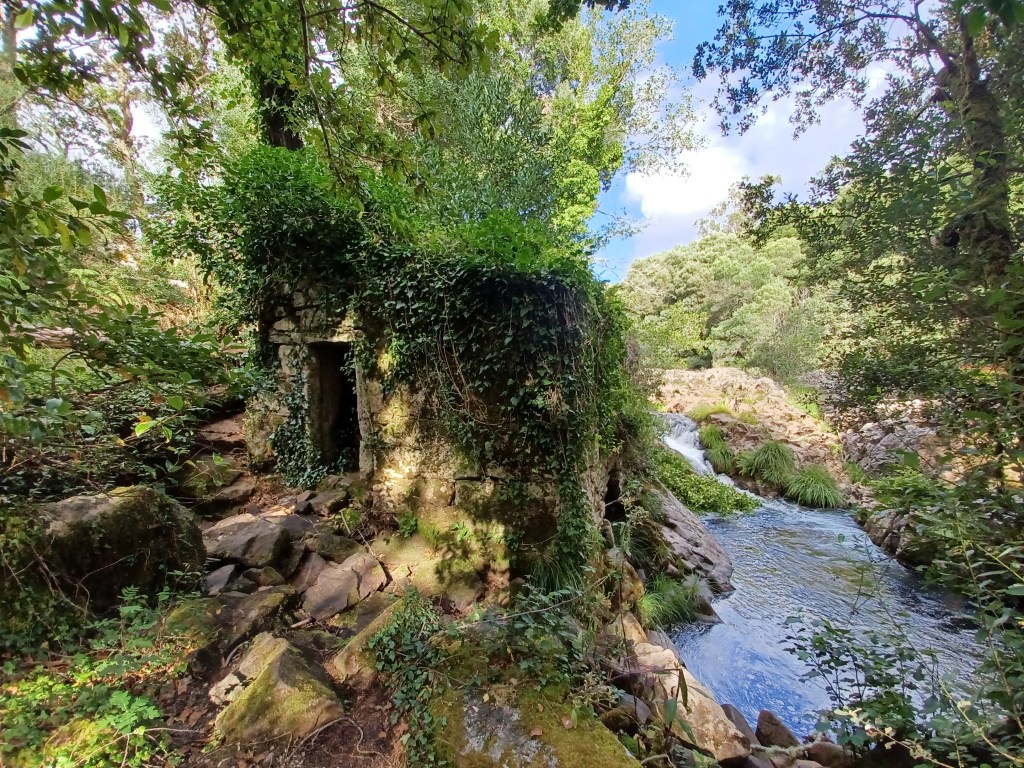
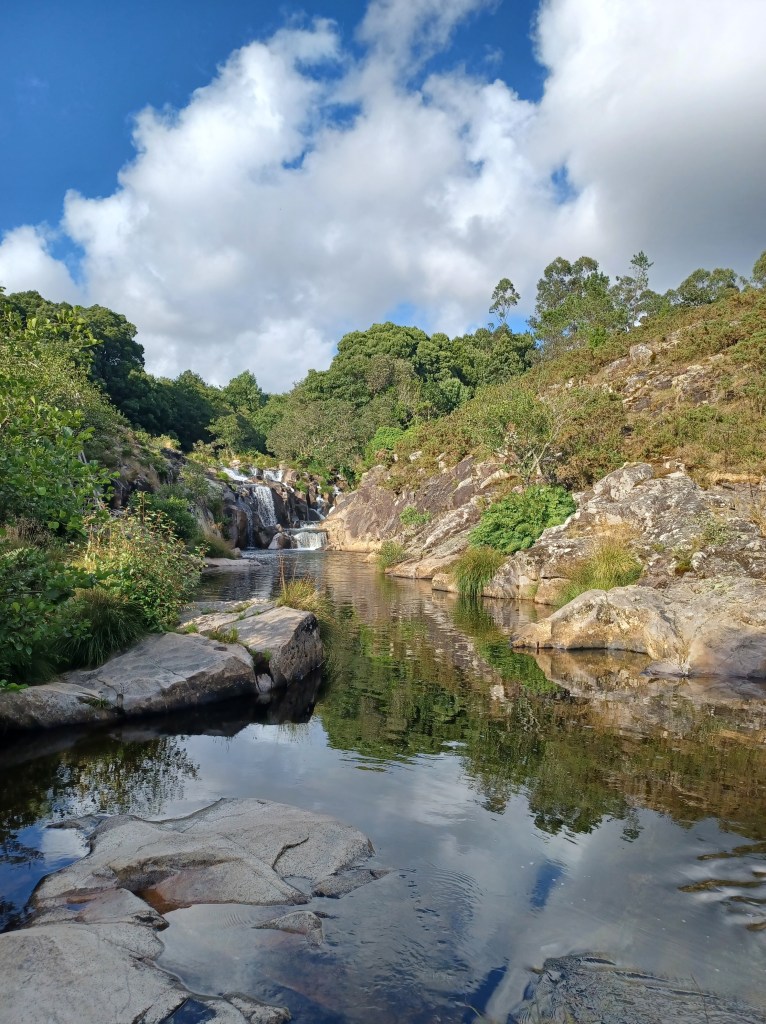
It is impossible to run out of beautiful things to see in Galicia. I have been to so many places around the world, and I have never seen any so incredible in all of my life. It is not one part of one city, it is not one place. It is Galicia. Here she is lush, and dense, and green. So. Green. There is a surreal sensation being in this place that you cannot know until you have lived it. A sense of timelessness. Hundreds and hundreds of years of people loving this same place.
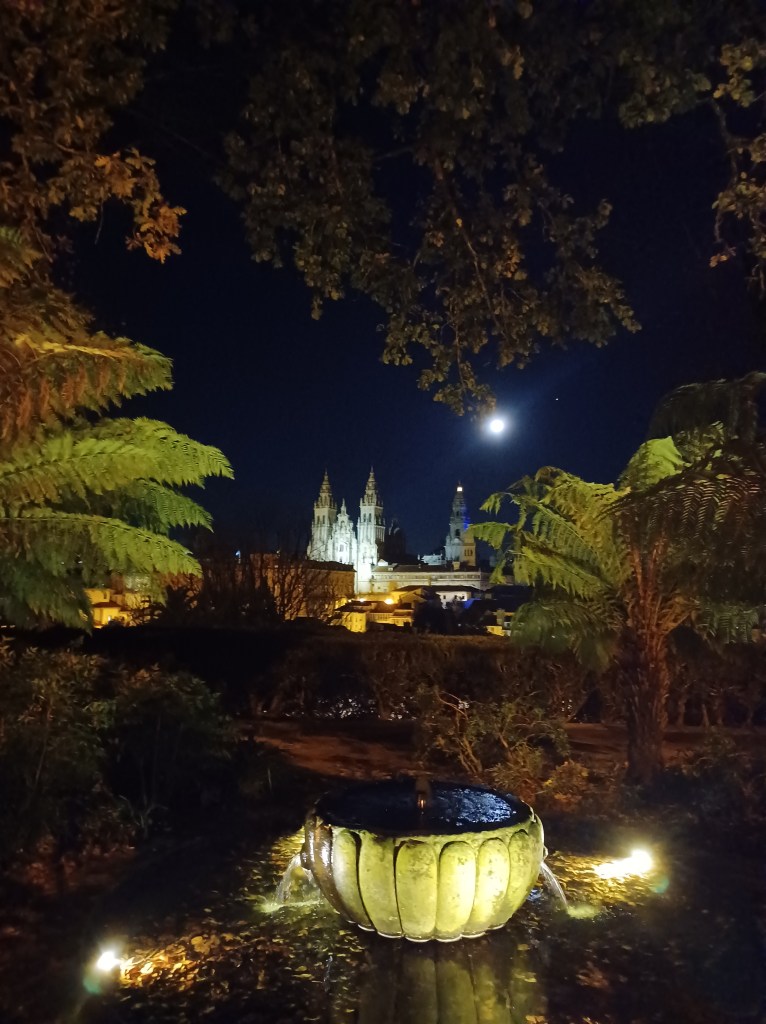
For over 1200 years, Pilgrims have been making the Camino to Santiago de Compostela. In summer, the Praza de Obradoiro is filled with the awed faces of travelers seeing the cathedral for the first time.
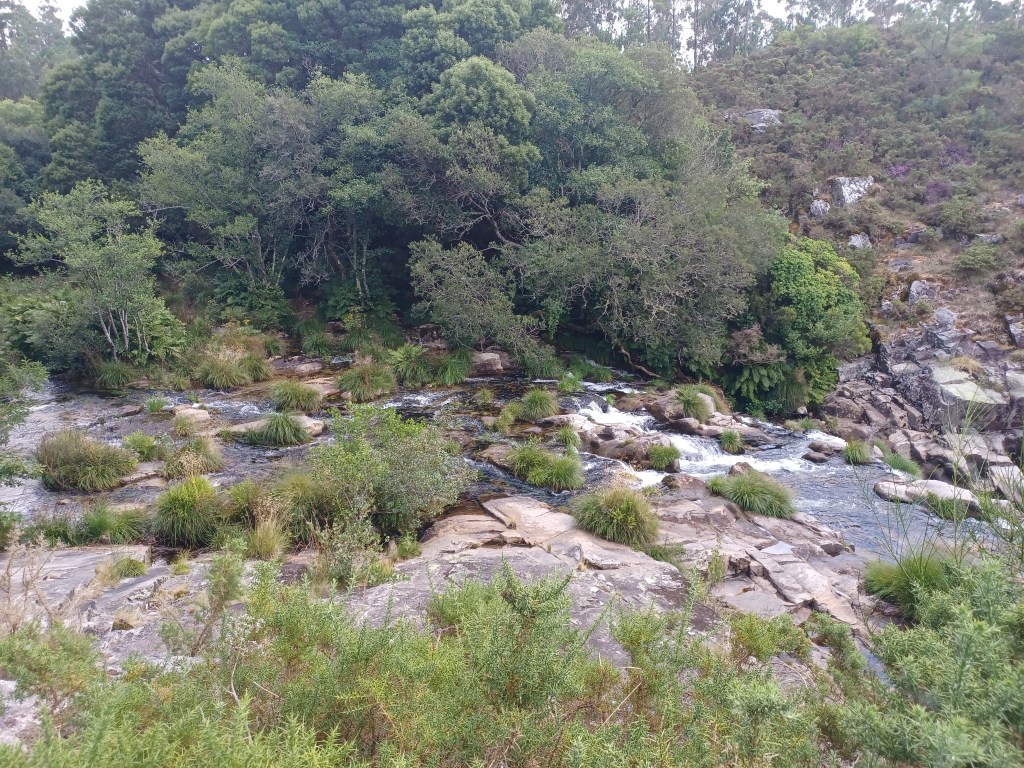
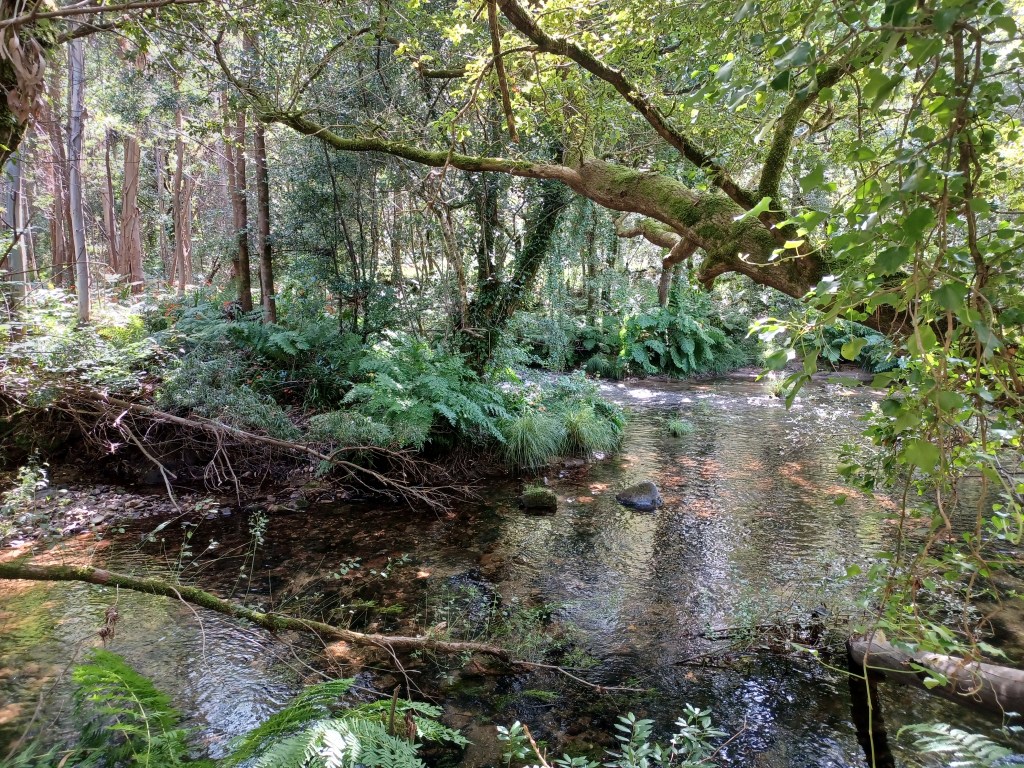
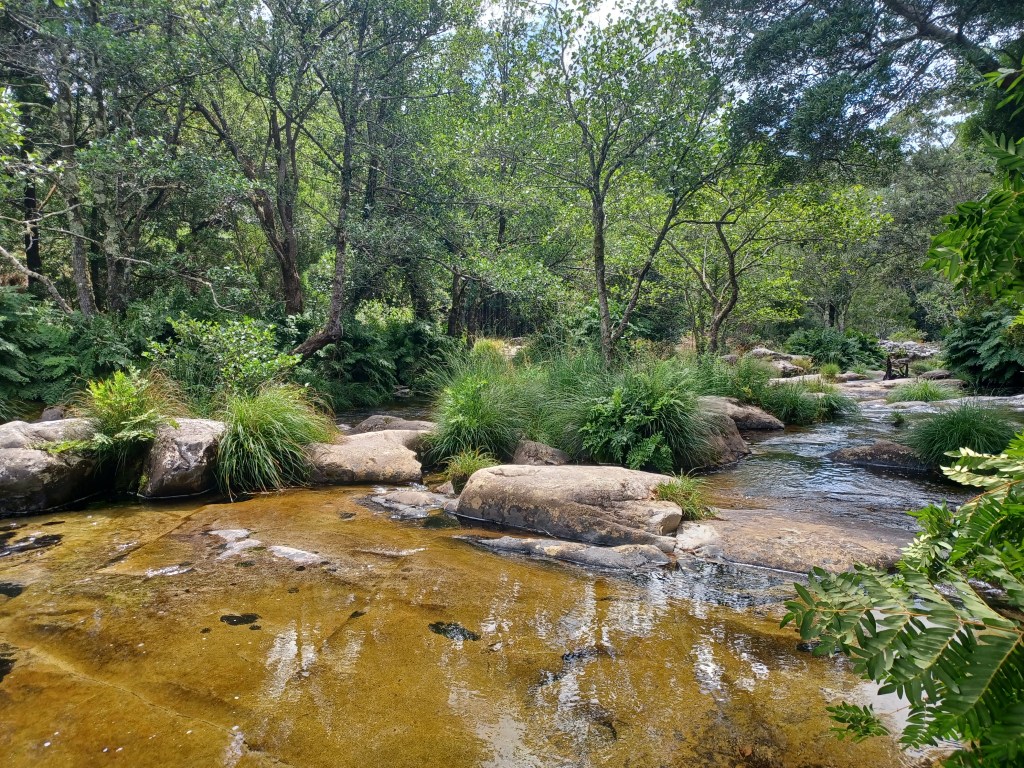
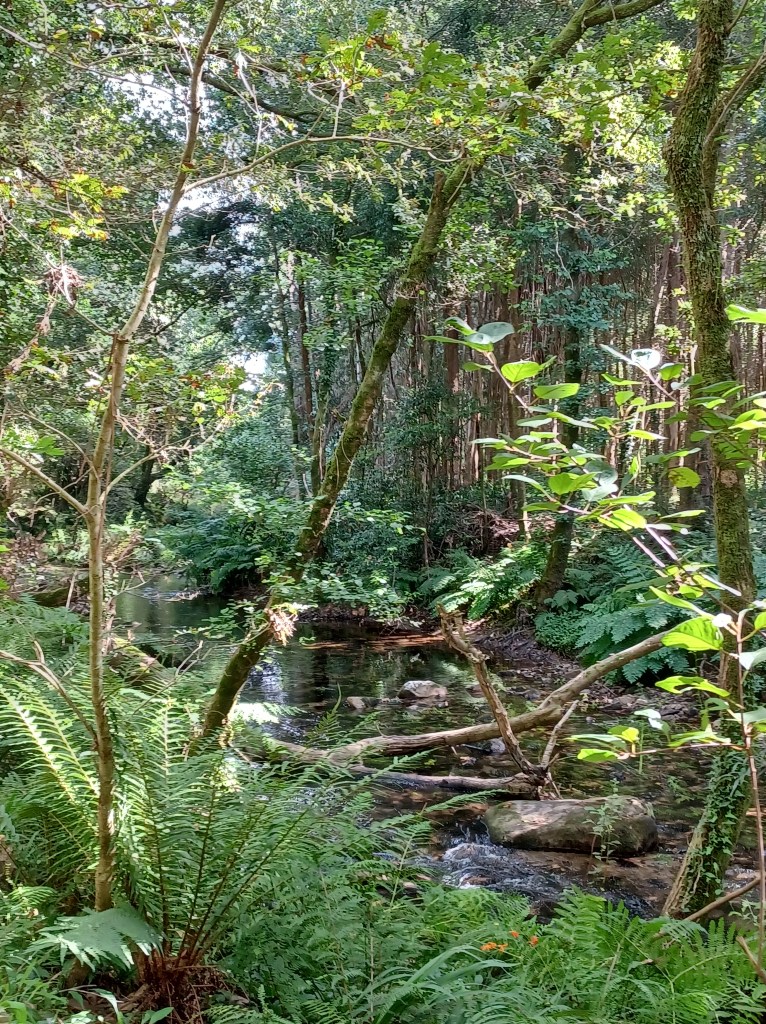
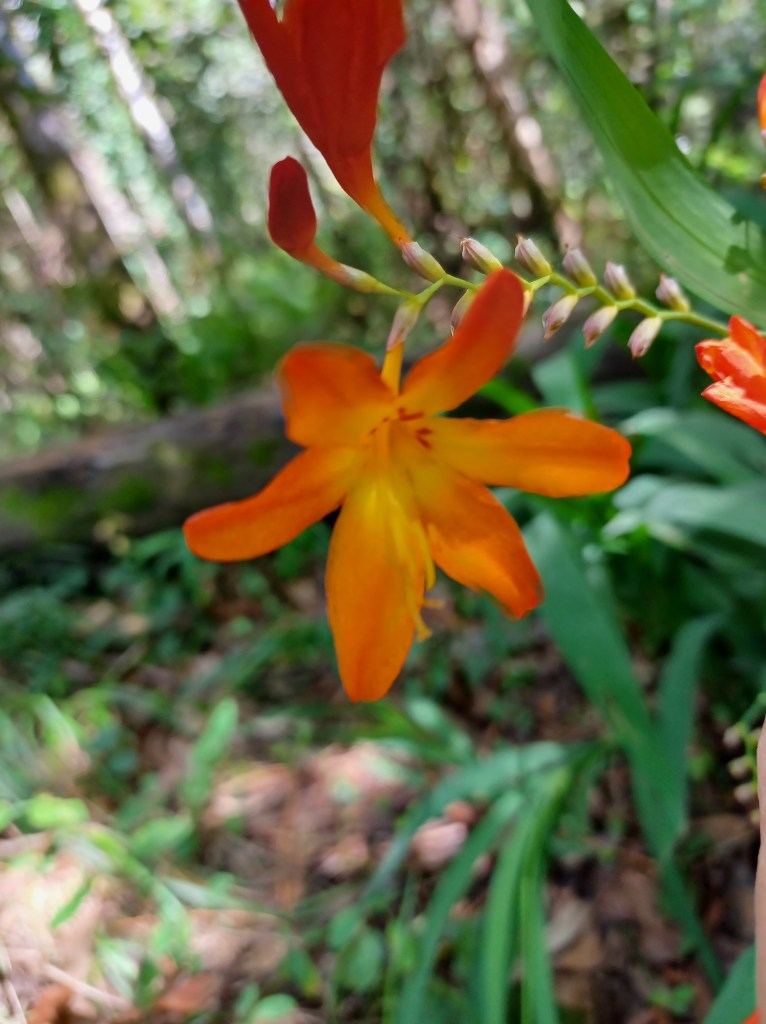
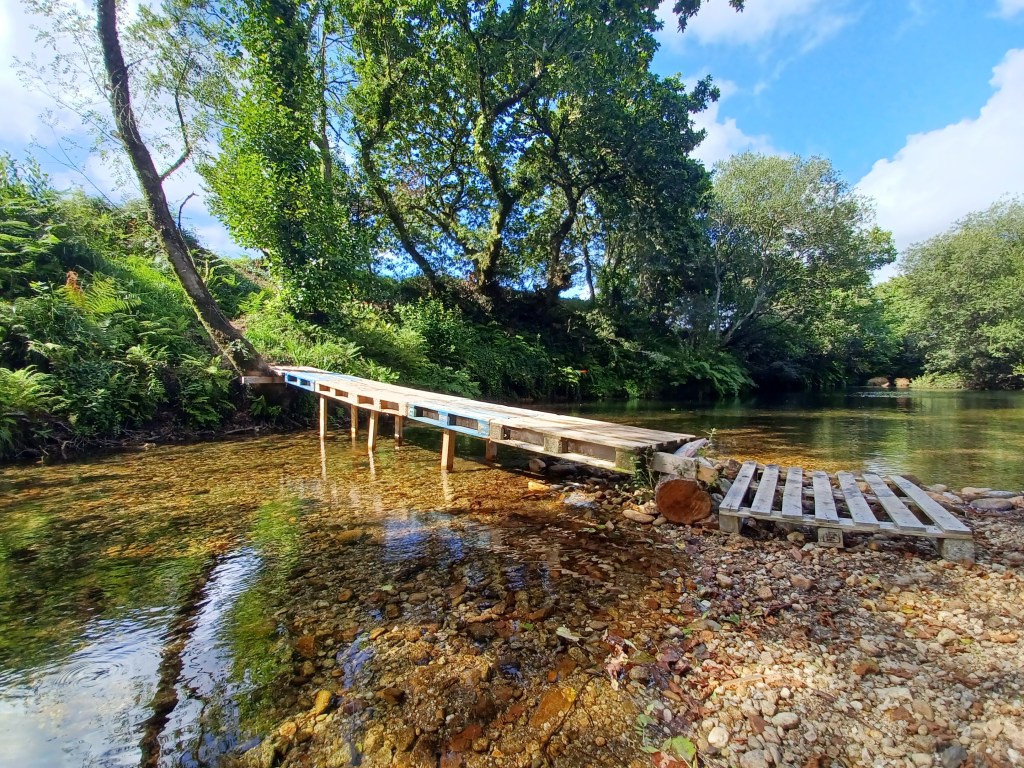
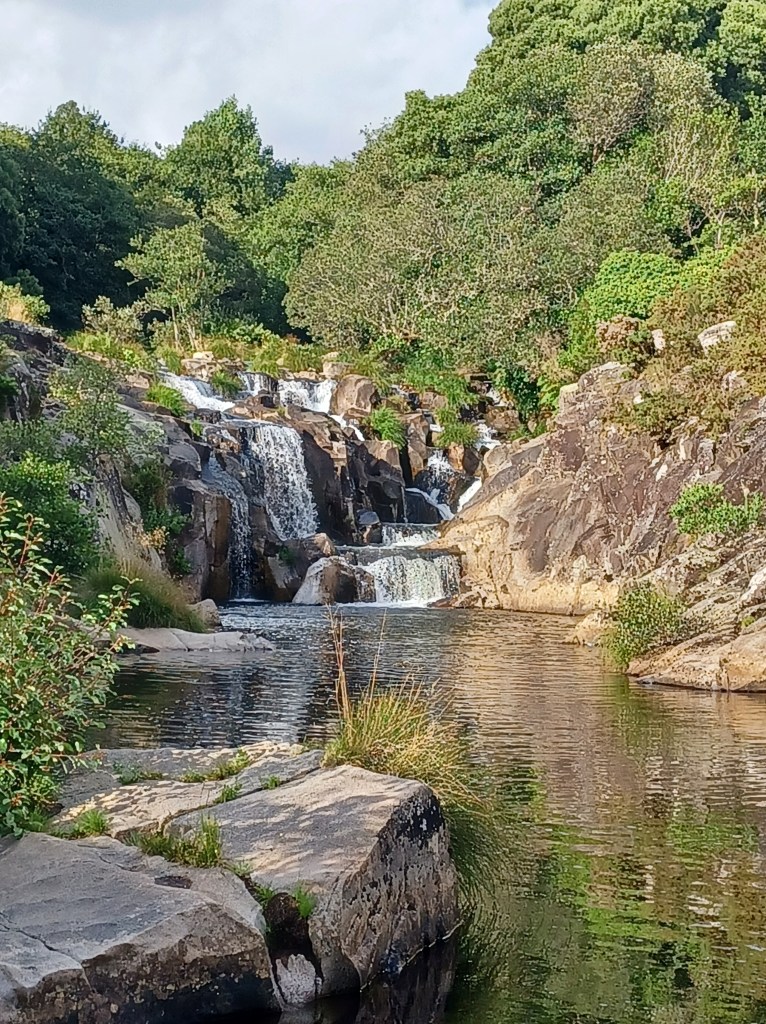
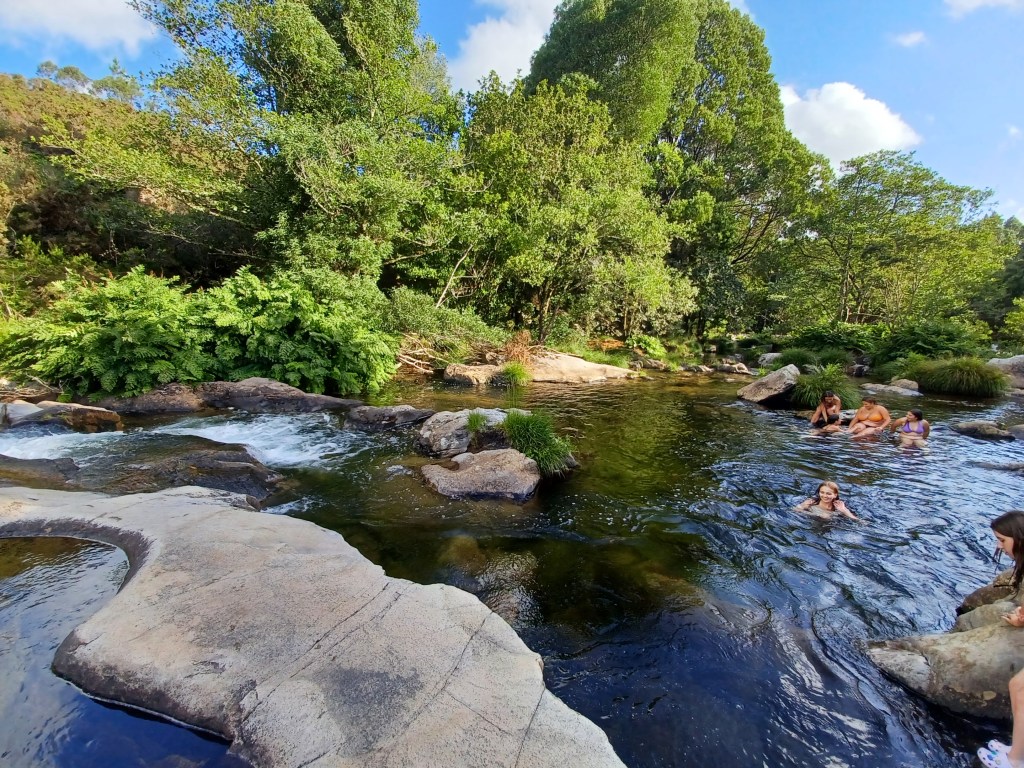
This is a land where the fairy tales are real, where the magic never left, and where las meigas still walk barefoot in the streams and waterfalls. This is the place you imagined as a child. The moon smiles down on your nights like the Chesire Cat in Wonderland. Mornings you awake with clouds as your pillow, the fog settled around sleepy mountain pueblos keeping them safe and unseen through the darkest hours of the night. The oldest, tallest trees in the forest are covered in soft mosses. They guard the clouds until mid morning. and let them go slowly in rivulets of steam. A morning prayer to the sun like little dancing forest spirits. By afternoon, the mica sparkles like diamonds in the stones and the sand. Leaving the beach at the end of a long afternoon your body shimmers like fairy fire in the late afternoon sun. Springheads in the mountains become waterfalls as rivers flow to the ocean.
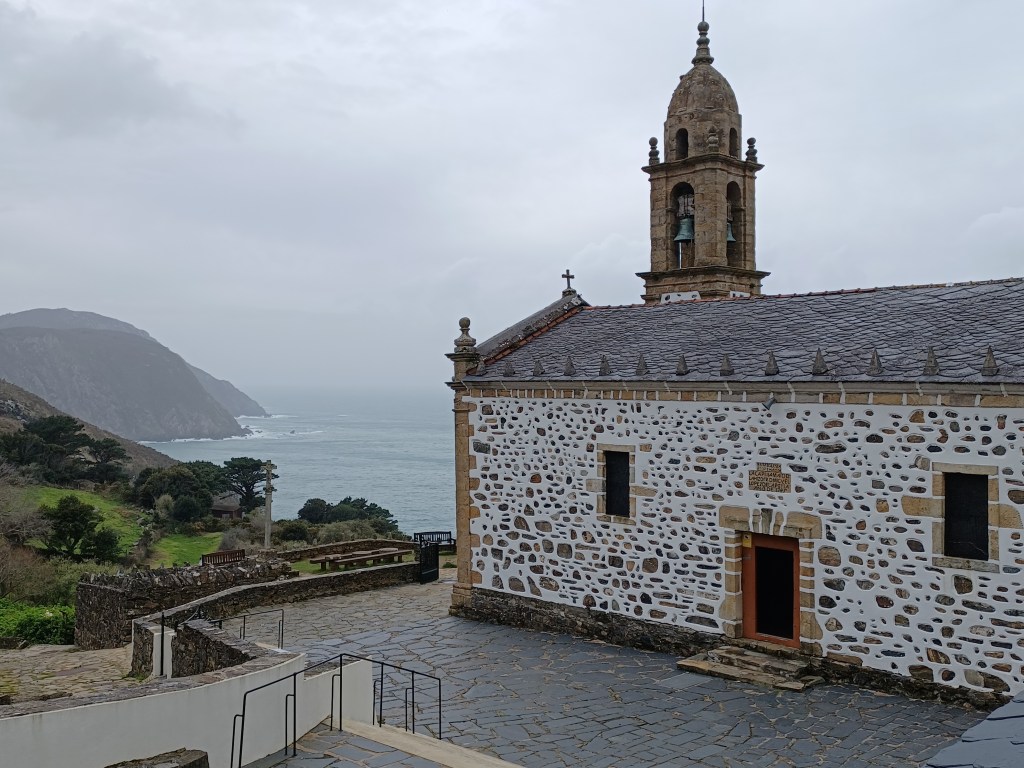
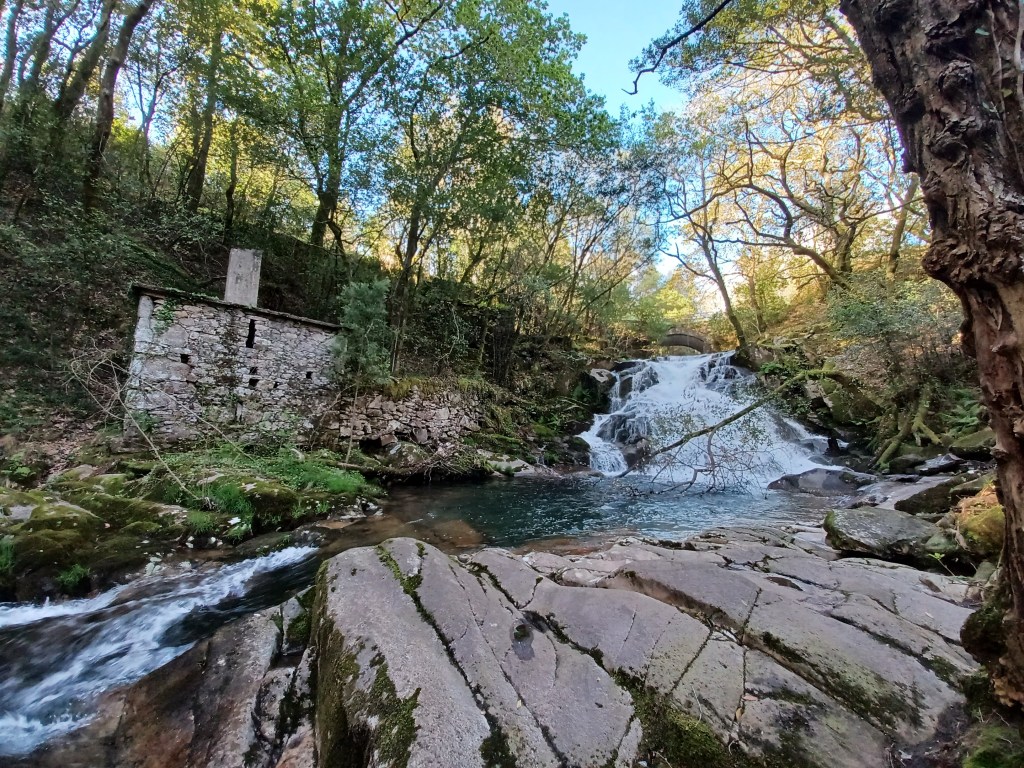
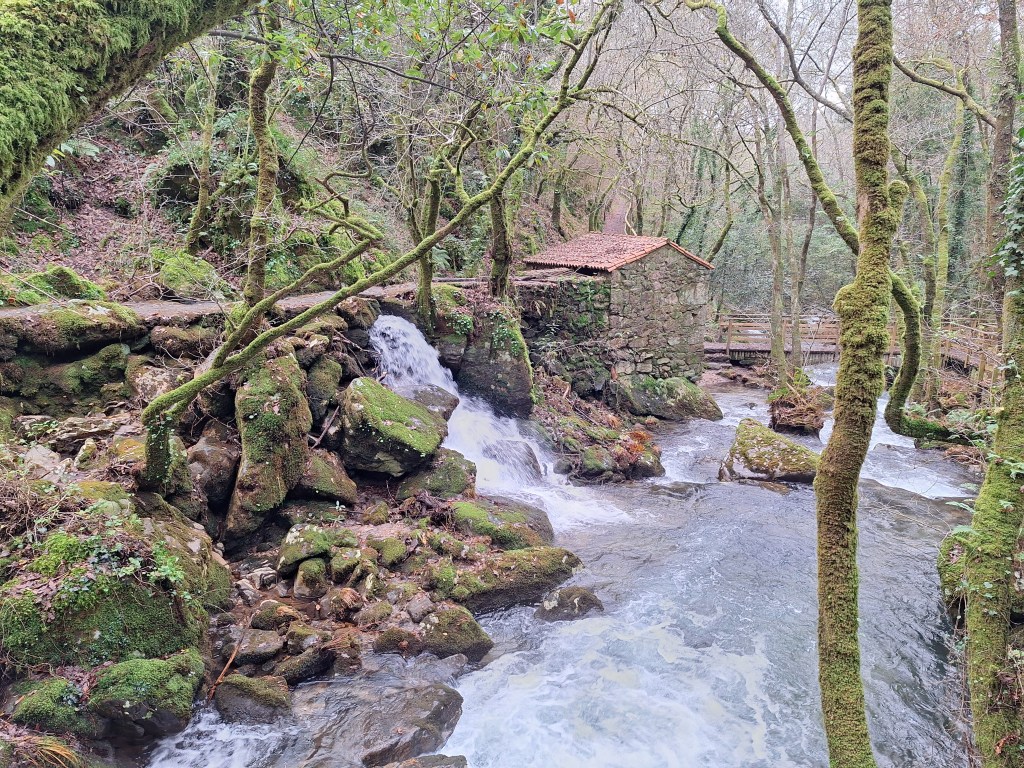
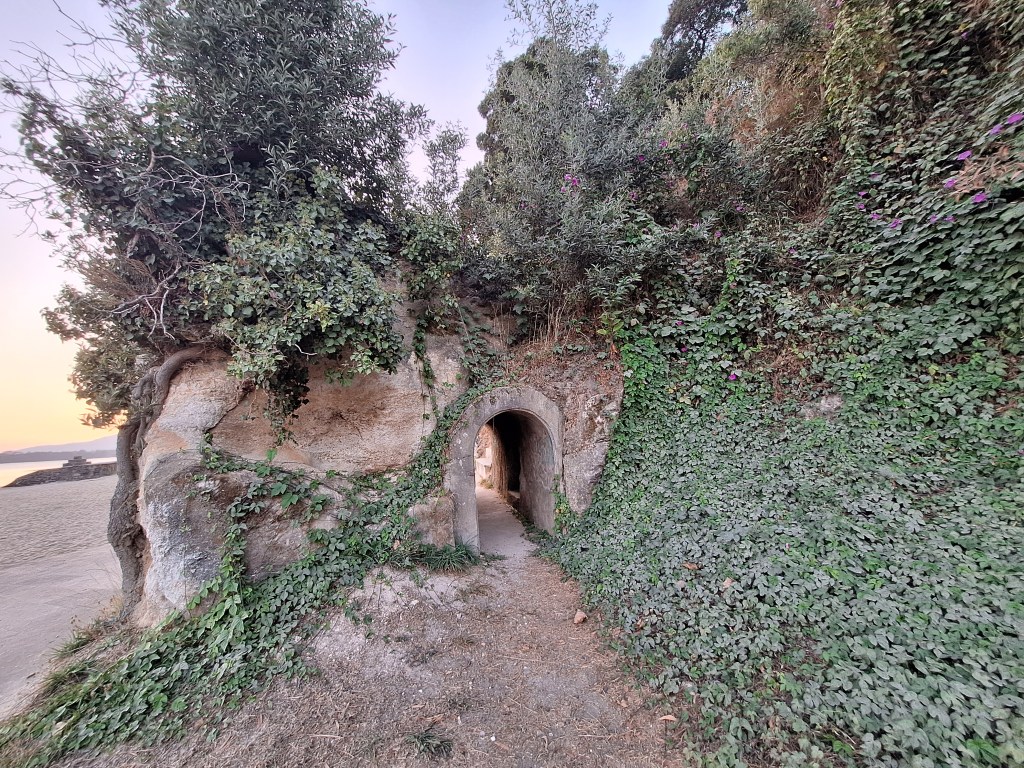
Living here comes at a price.
Build what you wish, but Galicia retakes what is hers and makes it green again in time. Galicia does not belong to men. She cannot.
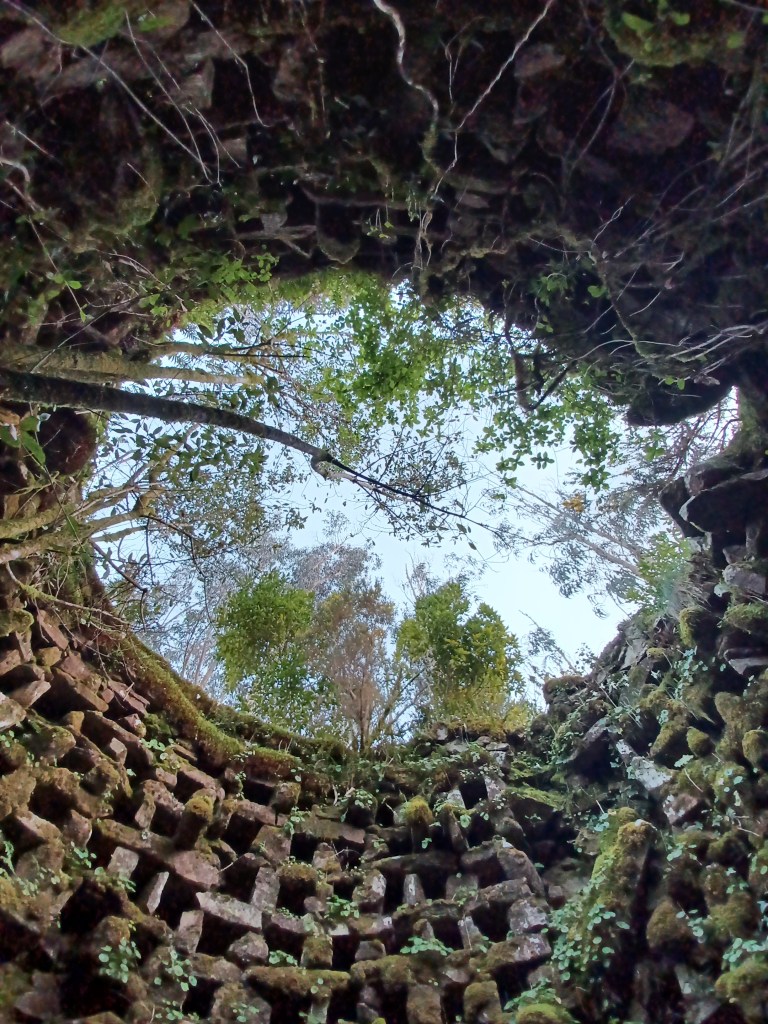
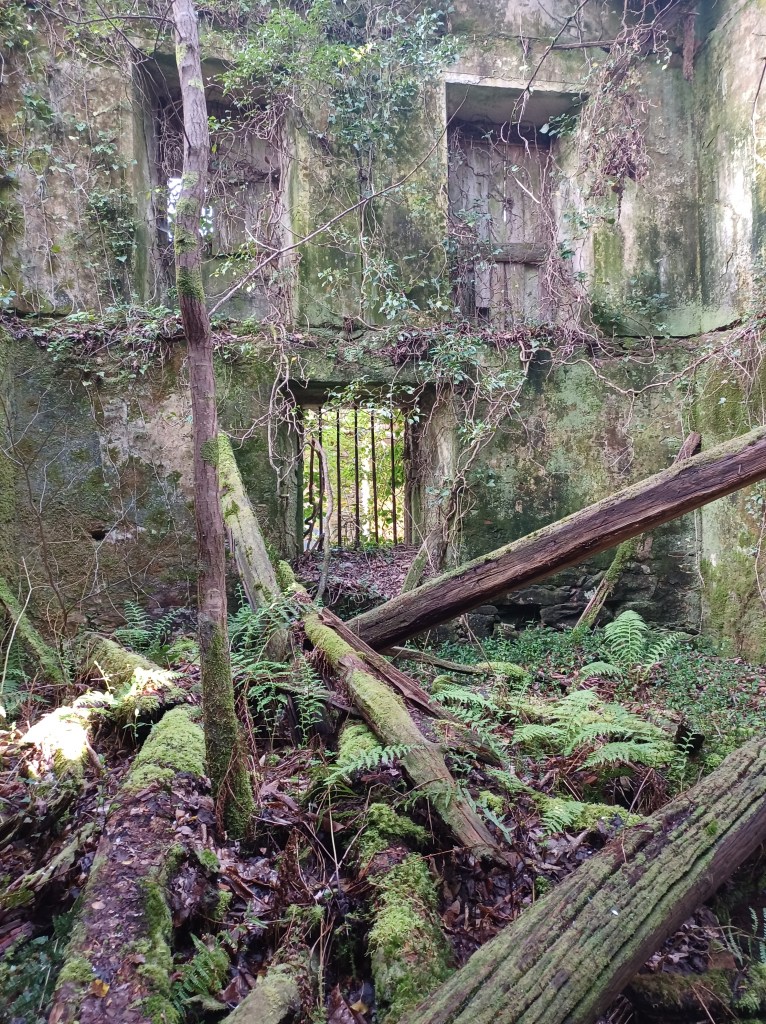
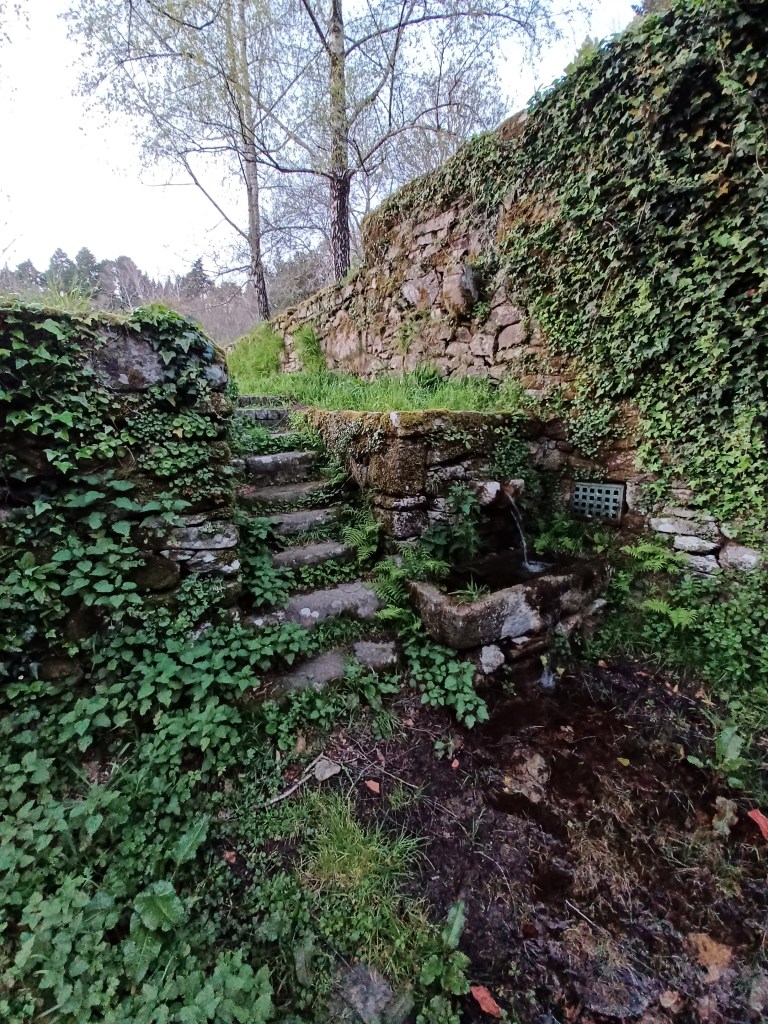
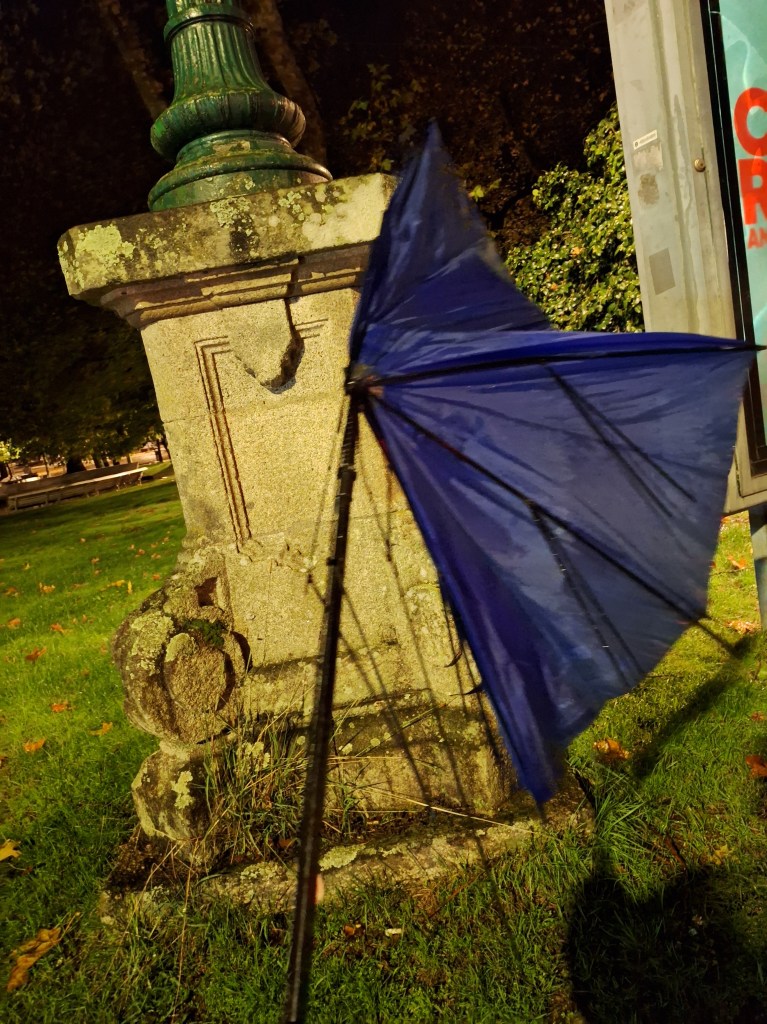
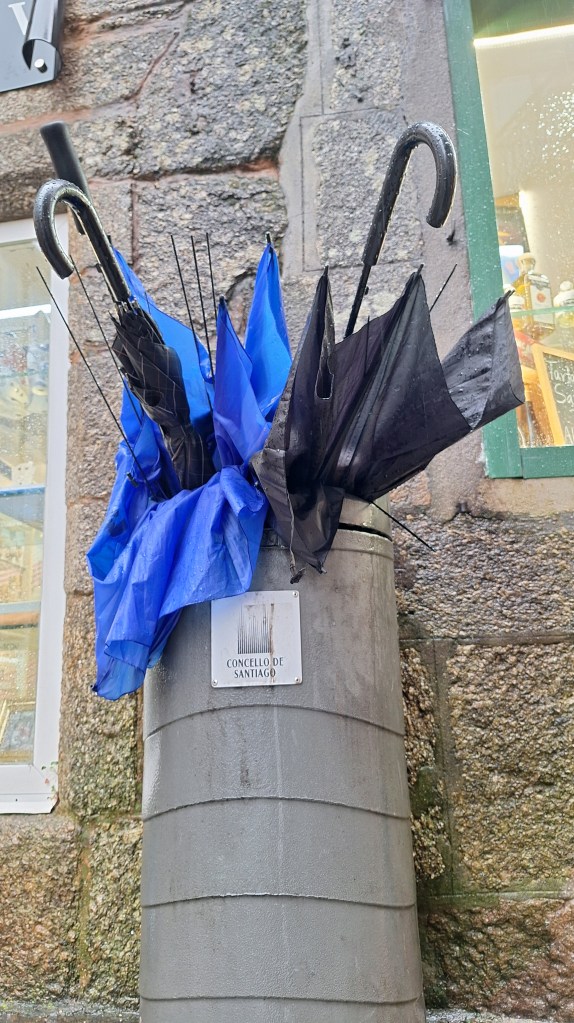
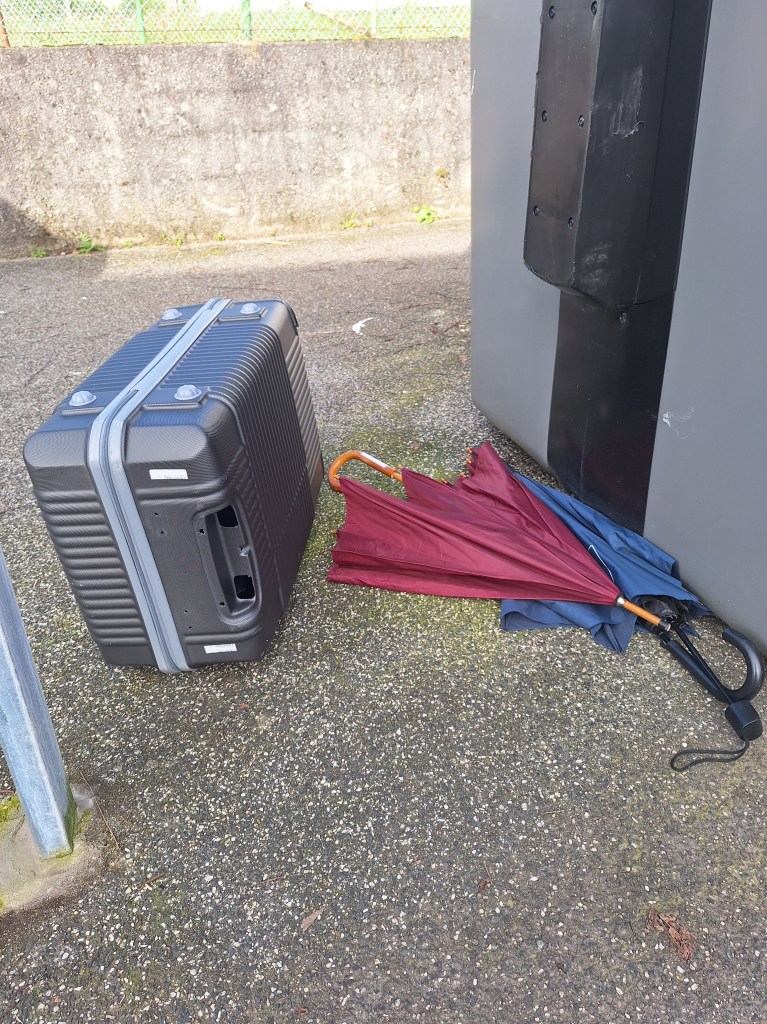
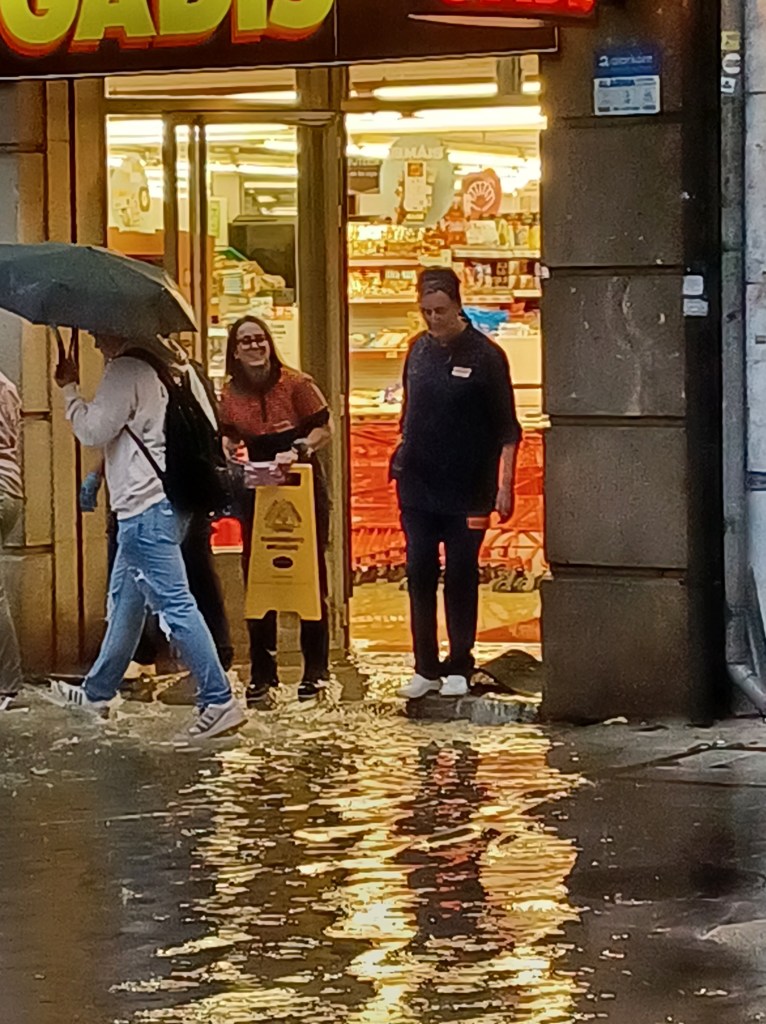
It rains for months. From October to March, there is rain. This is how she stays so green, so mossy, so strong. Those magical mountaintop springs must come from somewhere. Sunny days are so rare that they are always accompanied by the sound of laundry rustling in the breeze. Yes really, it rains so much we have synchronized laundry days, meigas, mothers, and Pilgrims alike. Maybe where you live you have wet and dry, but here we have wet, dry, and “it has been wet so long it won’t dry.”
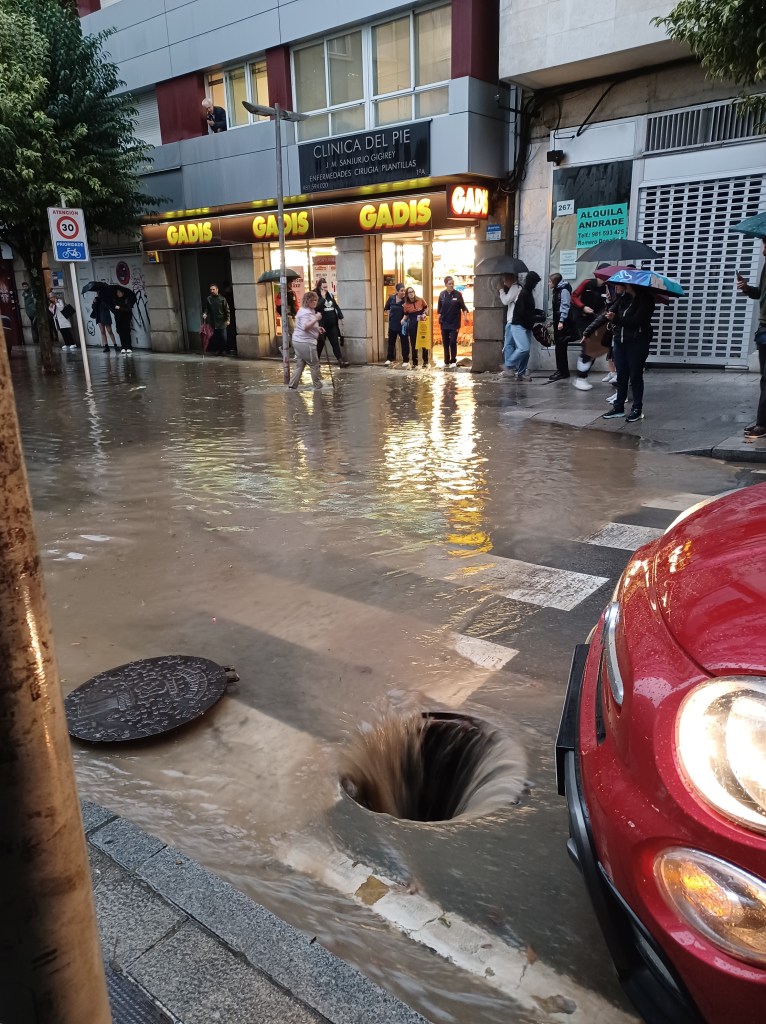
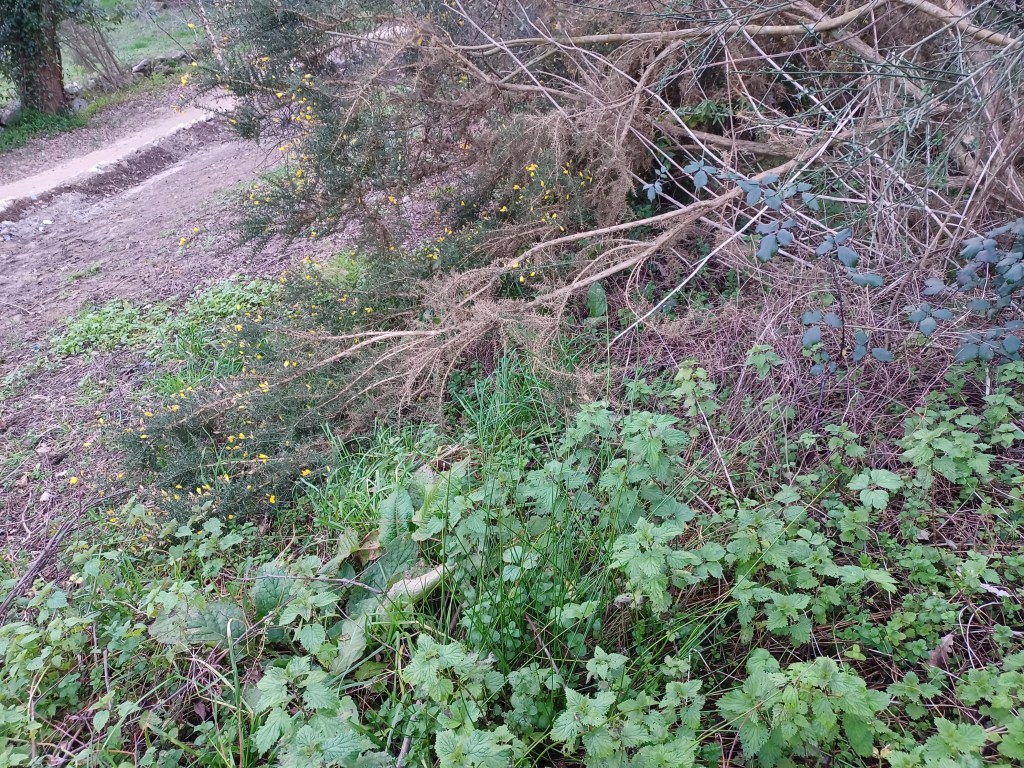
To stake your claim in any place that belongs to her, you must fight. The ground is covered in thorned, creeping, tentacles reaching further and further each day. The plants here sting and bite. Toxos grow anywhere the ortigas do not and the moras grow in between. The meaning of the galician name for rascacú is where it scratches you while walking in the forest. There are plants with burning fibers, plants that look like the ones that burn, scratching plants, plants with big needles, plants with little needles, plants with thorns, plants with big thorns, plants with small thorns, and plants with big hidden thorns. I have probably missed a few. Today I asked my friend the name of a plant in a garden that we passed. He told me if it doesn’t have thorns he does not know.
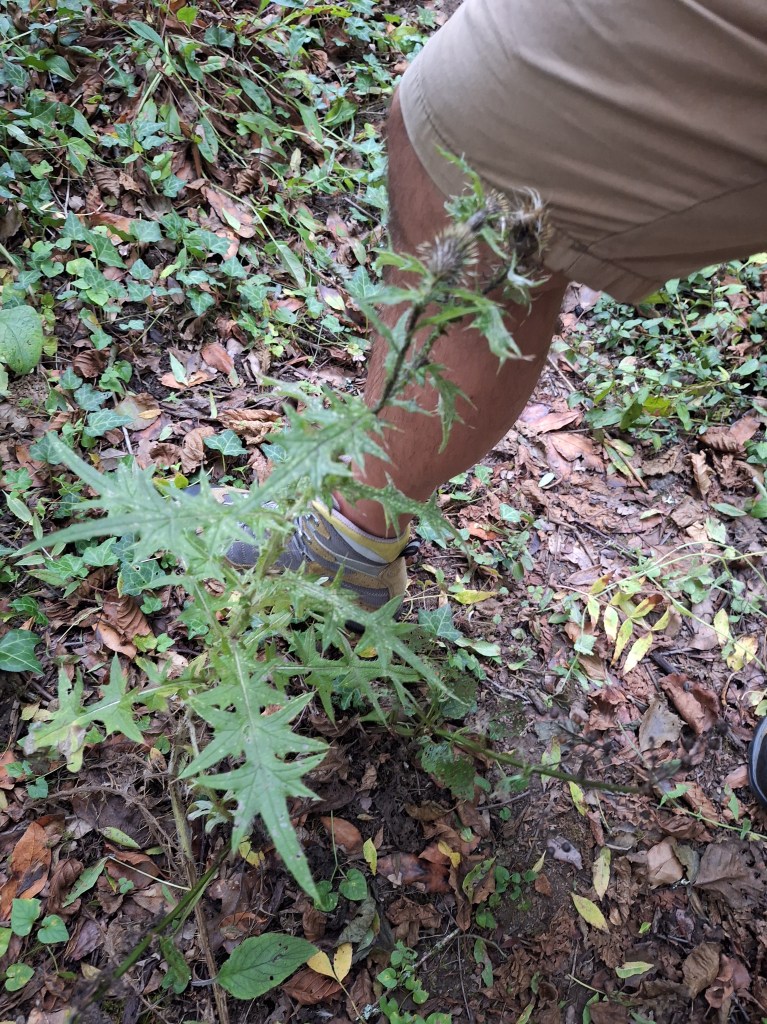
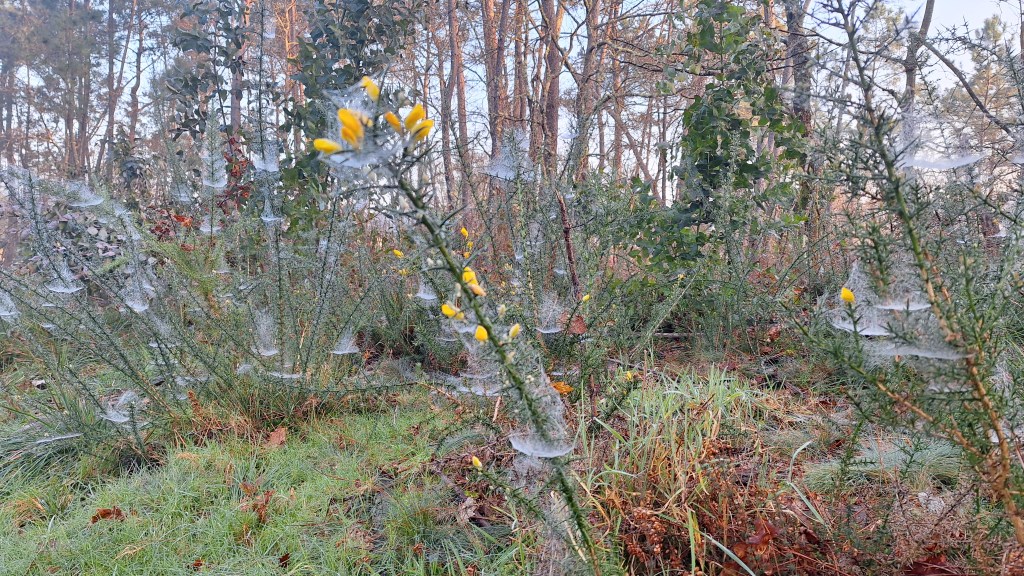
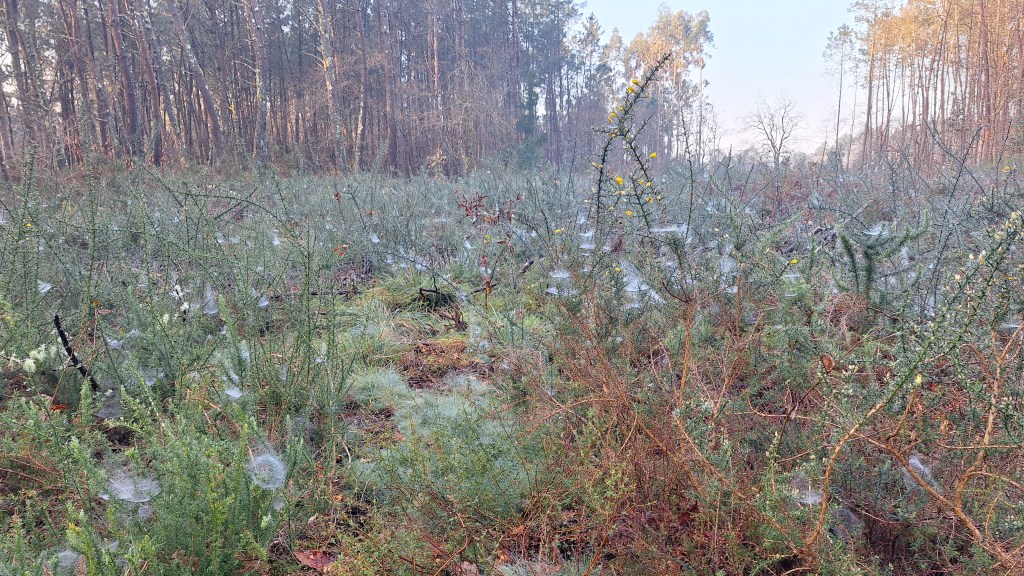
On the left there is a plant that is covered in spines, I dont know what it is called. Above and below are spiders trying to escape the rain on toxo thorns.
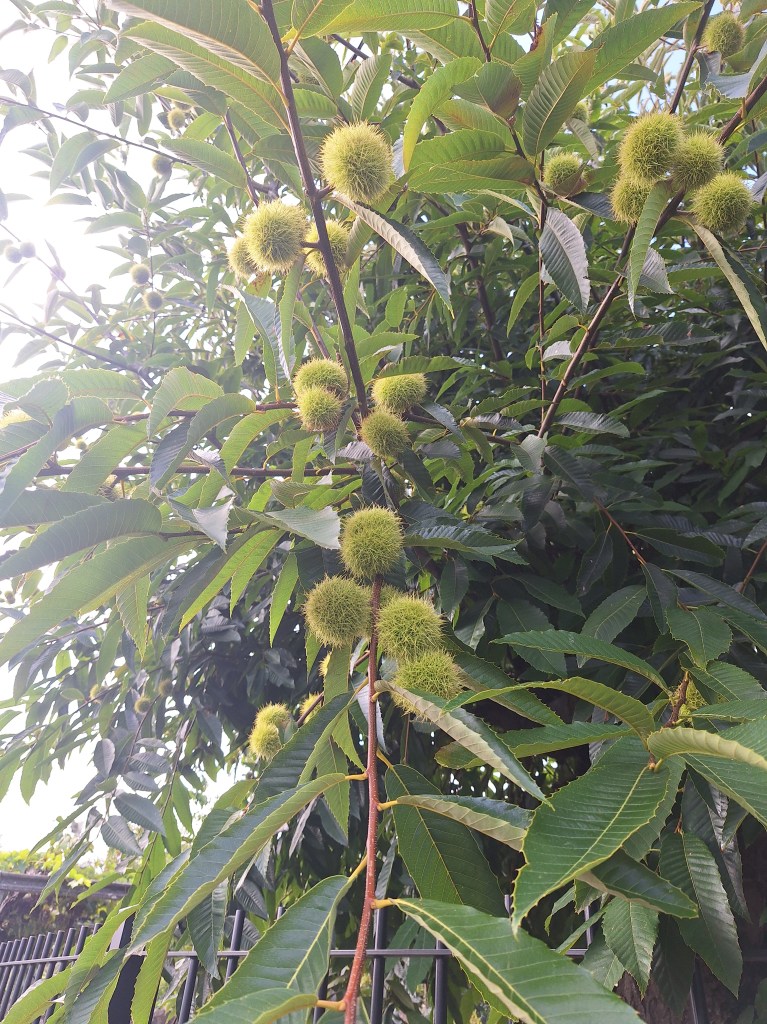
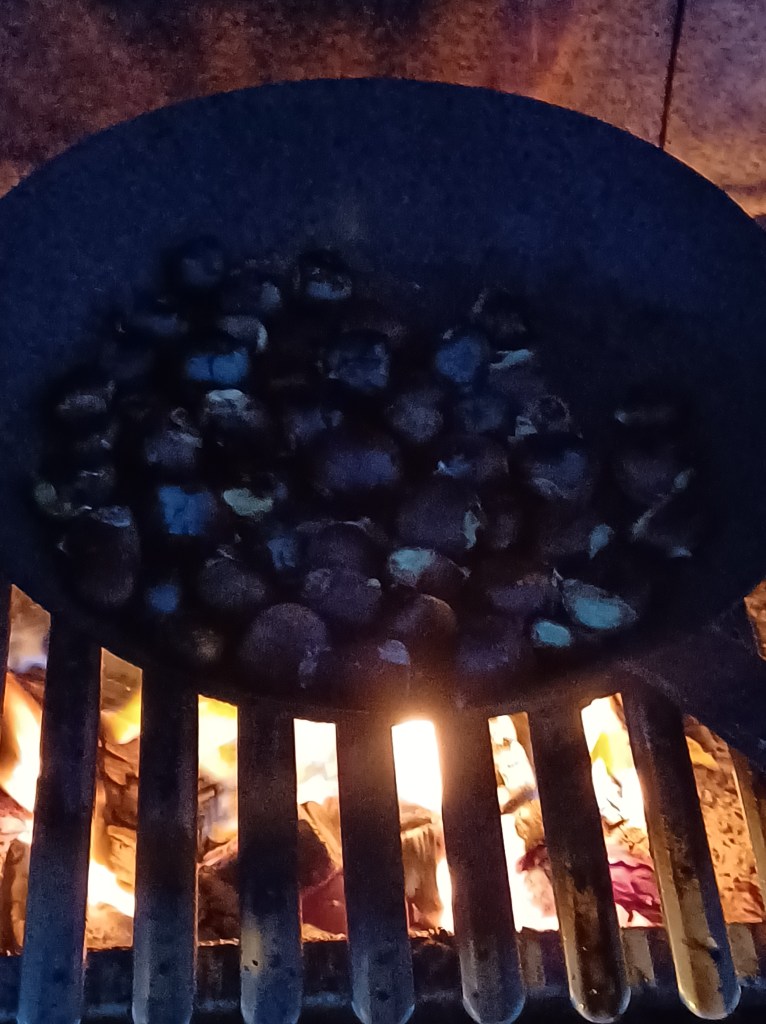
Parks even have to close during storms because no one wants to experience falling castañas. These will pop your bike tires, and do not cease to be sharp after 6 months on the ground in the rain. But they are the life blood of Galicia. There are festivals in every city here to celebrate the harvest. Magosto is a deepy rooted Galician celebration of the chestnut harvest, with some saying it is rooted in Roman or Celtric traditions such as Samhain. Castañas have been a staple here since before anyone thought to write it down. They are hardy trees, the nuts are packed with nutrients, and their harvest comes after the heavy rains. It is easy to imagine how cherished this annually occuring natural windfall would be, especially in years where drought or rain might impact other crops. The festival coincides with All Saints Day making it a celebration of harvest, death, honoring ancesters, and celebrating the coming winter months all at once.
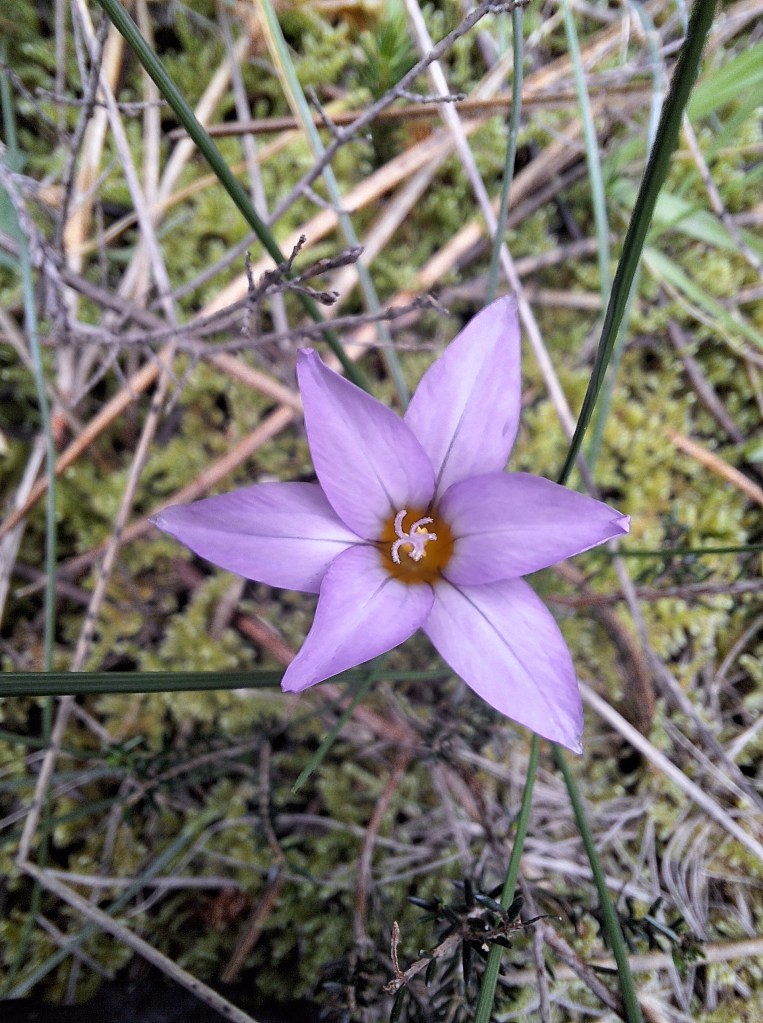
And this week marked the beginning of my adventures for the year! There was sun. Beautiful, glorious, soul replenishing sun. The flowers are emerging. Galicia is green and yellow and beautiful.
I have been absent from writing about my adventures for a while. I took up a contract that would allow me to save enough money to spend the next two or three years traveling, writing, and working on a secret project I am very excited about. It was too many hours each week in front of a computer, but I went on many adventures to share with you. I just need to post them. I plan to back fill those adventures from here as well as add new ones this season.
 PigTailz