
I think the cliff notes version is that I liked school so much I went to school to learn how to make school more fun for other people so that I could keep being in school forever.
I am a little bit obsessed with AI, but also the critical analysis of LLM output.
I like to travel. A lot.
About my Work
Can I help you cut costs? Absolutely. If you have strong data collection, you can replace a significant proportion of your of API calls to LLMs with simple statistics or automation. You can take a look at my professional services if you have a sense of humor. If not let me know and I will send you a jokefree version.
Am I anti-AI? Absolutely not! I can do the work of 50 of me with the help of an LLM. Unlike human raters, LLMs dont get tired (moody, but not tired). AI is the fastest look up tool. I automate my workflow whenever possible. I actually really love working with AI. But it is just like any other new employee with talents and drawbacks.
Am I woried about the carbon footprint? Only what is arising from inefficient misuse of AI. If I can do my work in a fraction of the time, my computer is running less, my lights are off, I’m not driving to the office. But I know where to draw the lines because… I analyze the output with strong rubrics and use statistics to verify success. My concern is where major companies are using AI to fix AI in endless circles, throwing millions tokens in the trash.
Qualifications
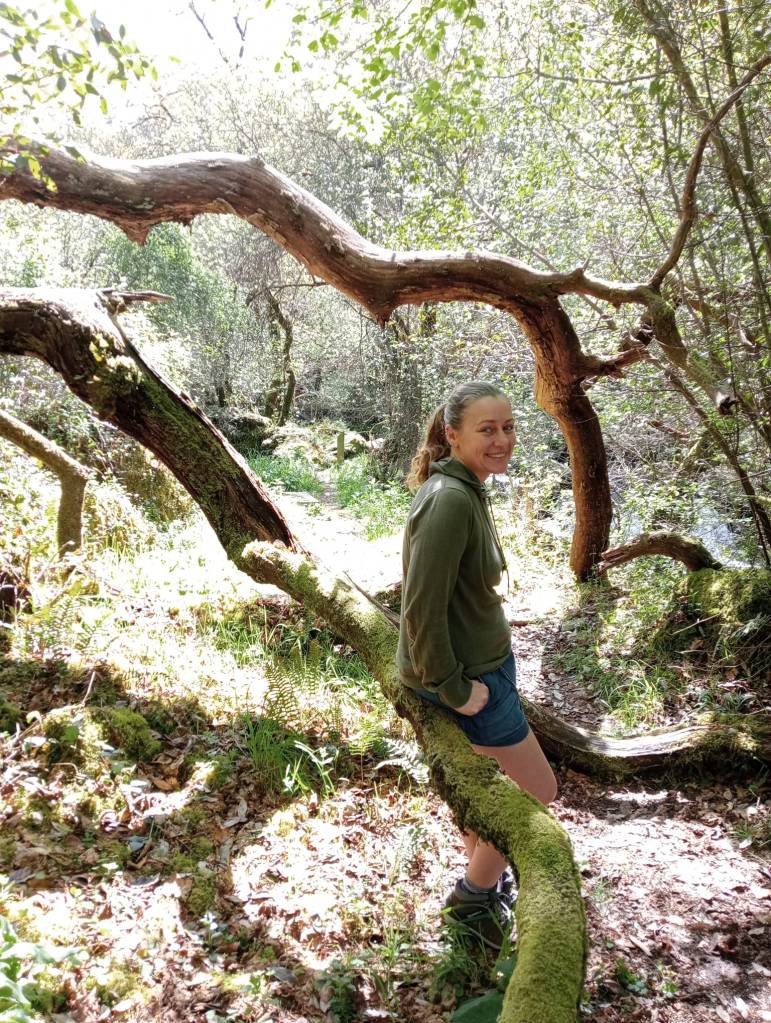
I am a quantitative analyst and psychometrician with a PhD in Measurement and Quantitative Methods from the College of Education at Michigan State University. I also have a B.S. in Physics from Michigan State University and an A.A. in Psychology from Lansing Community College.
I specialize in instrument development, implementation of ML and AI in education, and in quantitative determination of successful outcomes in both classification systems and generative output.
I have helped to design NGSS aligned science curriculum and assessments with the CESE project-based learning intervention & CREATE4STEM Institute. I have lead investigations into quantitative methods to ensure quality in classification algorithms and quantifying engagement in online learning environments. I have reviewed numerous learning platforms. I have ensured content coverage and standards alignment for the development of 11 Advanced Placement Courses in History, Science, and Social Science. And I have studied the use generative AI in multiple tasks related to the nearly 1000 topics across those 11 courses. You can see my CV here.
About this site
I have historically maintained this site to share projects and travel pics with my dad. He is a bit of a technophobe (Hi Dad! You know it’s true but I love you anyway). I am an expert in a field that has significant influence on the daily lives of my friends, colleagues, fellow scientists and educators, and students around the world. I have the ability and expertise to work towards helping ensure students receive the course materials they need. Maybe one person cannot make much of a difference, but it is irresponsible not to try.
If the people of LinkedIn can somehow remain employed while straddling the immense void between things you should be embarassed to post publicly and a professional job search platform, I can post my research, reviews, and vacation photos in one spot.
Publications
- Maestrales, S., Zhai, X., Touitou, I., Baker, Q., Schneider, B., & Krajcik, J. (2021). Using machine learning to score multi-dimensional assessments of chemistry and physics. Journal of Science Education and Technology, 30(2), 239-254.
- Schneider, B., Krajcik, J., Lavonen, J., Salmela-Aro, K., Klager, C., Bradford, L., … & Bartz, K. (2022). Improving science achievement—Is it possible? Evaluating the efficacy of a high school chemistry and physics project-based learning intervention. Educational Researcher, 51(2), 109-121.
- Maestrales, S., Marias Dezendorf, R., Tang, X., Salmela‐Aro, K., Bartz, K., Juuti, K., … & Schneider, B. (2022). US and Finnish high school science engagement during the COVID‐19 pandemic. International Journal of Psychology, 57(1), 73-86.
- Frank, K., Lin, Q., Maroulis, S., Dai, S., Jess, N., Lin, H. C., … & Tait, J. (2022). Improving Oster’s δ*: Exact Calculation for the Coefficient of Proportionality Without Subjective Specification of a Baseline Model. Ellen and Tait, Jordan, Improving Oster’s δ*: Exact Calculation for the Coefficient of Proportionality Without Subjective Specification of a Baseline Model (December 16, 2022).
- Maestrales, S. (2024). Project-Based Science Learning Facilitated Through Technology. Michigan State University.
Conference Papers & Presentations
- Adapting Current Events into a Socially Relevant Curriculum. Sarah Maestrales, Emily Miller, Kayla Bartz, Rand Spiro. Presented at WERA Santiago de Compostela & South Africa 2021.
- Exploring for Racial and Ethnic Bias When Using Machine Learning to Score Multi-Dimensional Science Assessments. Sarah Maestrales, Xiaoming Zhai, Israel Touitou, Quinton Baker, Barbara Schneider, Joseph Krajcik. Presented at PIRE Helsinki 2021.
travel
I love to travel and see new places as often as possible. I am blessed to live in one of the most beautiful places on earth. I took a contract 2 years ago that would allow me to save enough money to take some time off for my travels and a few personal projects. Unfortunately, it meant I did not have time to travel AND keep my blog updated. You can follow along with my adventures here as I get caught up on the backlog and fill in the new ones.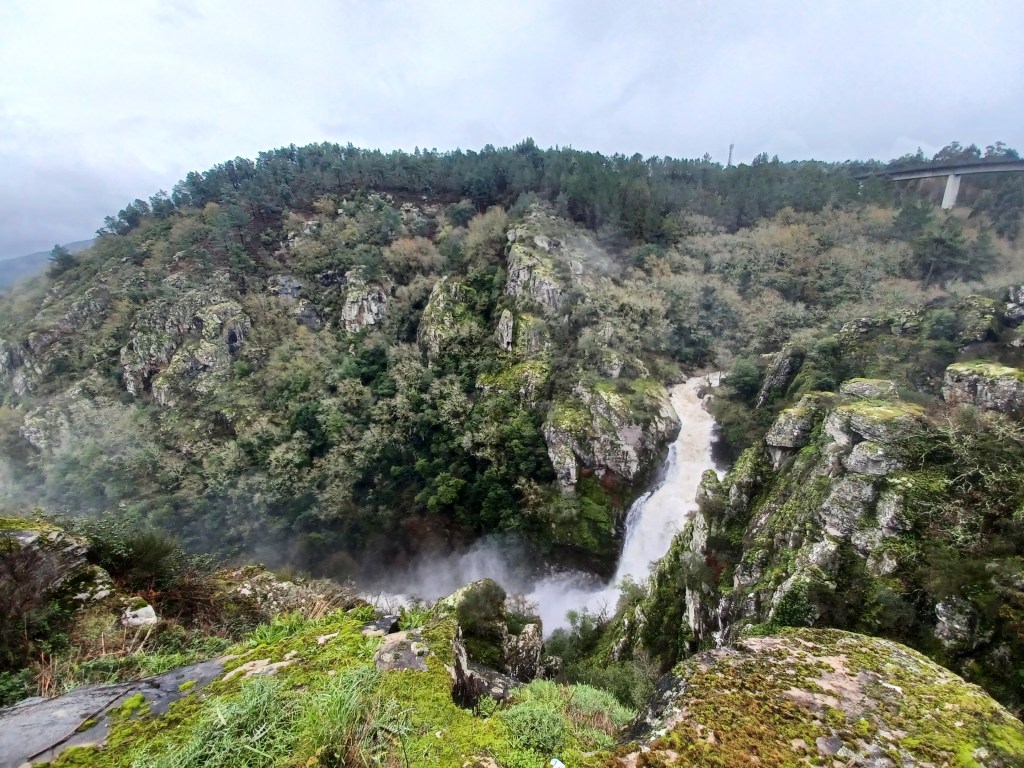
I dont retouch my photos, and I do back post for the date of travel whenever it is safe to do so. We are so innundated with advertising and glamorous images of travel destinations that it can be disappointing when you end up on a crowded cliff top and have to wait in the selfie line. I will shoot above the crowd if possible, or wait for people to move, but all of the photos are photos that you could have taken yourself on that date, while open to the public.
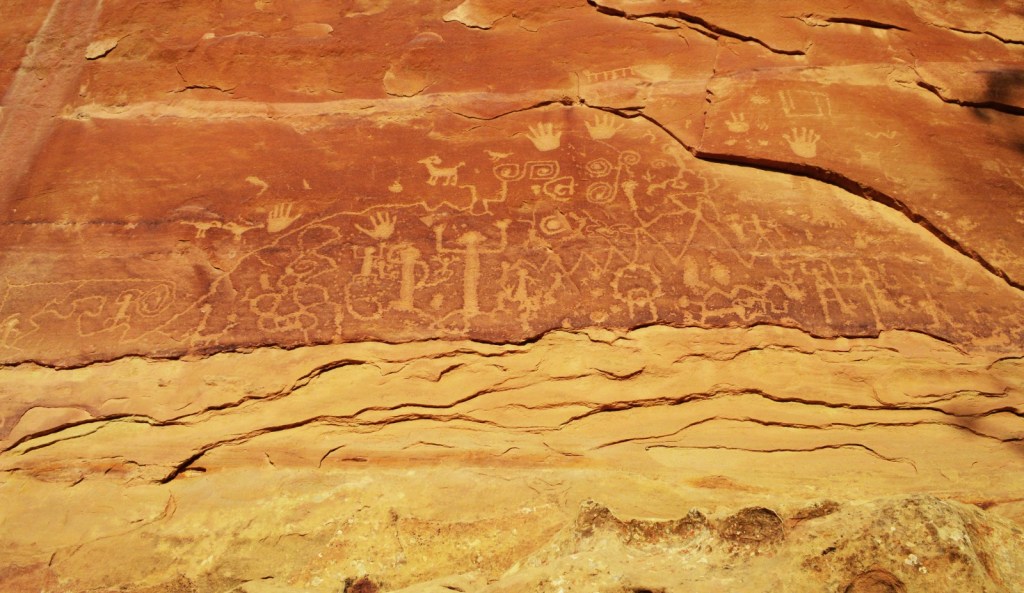
I am not a huge fan of social media, but I still wish to share my knowledge and my experience with others. The human desire to communicate the story of the self is both timeless and universal. Here is an early example of one of the first recorded FYPs, also known as a petroglyph.
 PigTailz